Having found the Nord Zee Kanal blocked by another broken bridge we decided we would go via Amsterdam and explore some of the Markermeer and Ijsselmeer areas. I was really concerned about going into the Markermeer as I had heard so much about the freshwater weed that can jam propellers and tangle around rudders and keels. However Nick found a brilliant Ap called waterplanten which gave up to date accurate positions on where the weed was dangerous. The Ap worked with great accuracy so we decided to utilise it after our trip to Amsterdam.
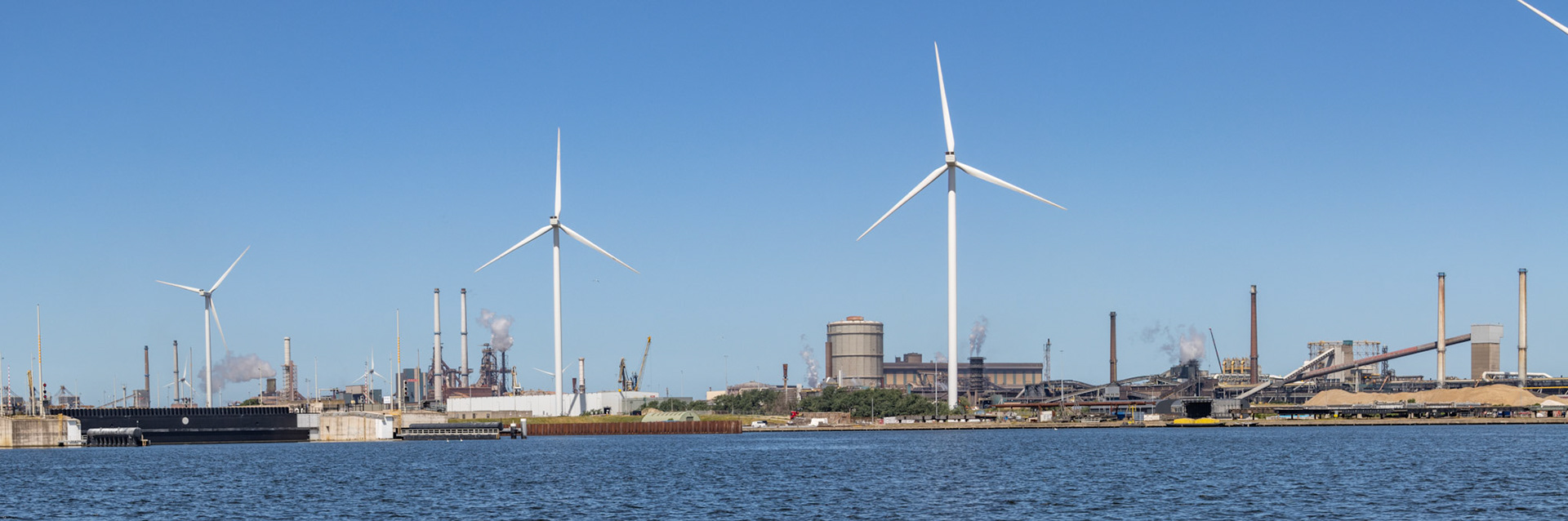
Noord Zeekanaal
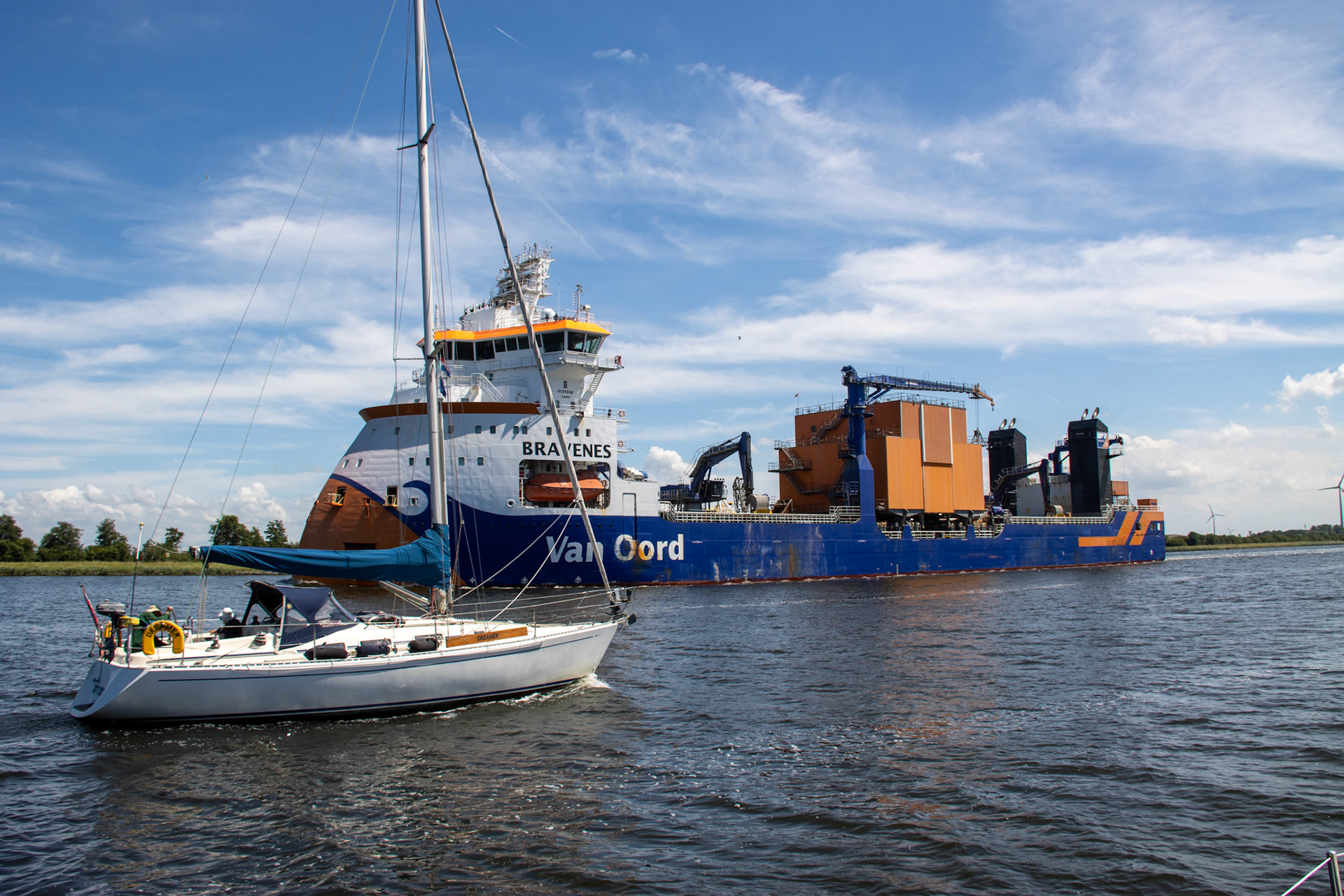
He is bigger than me
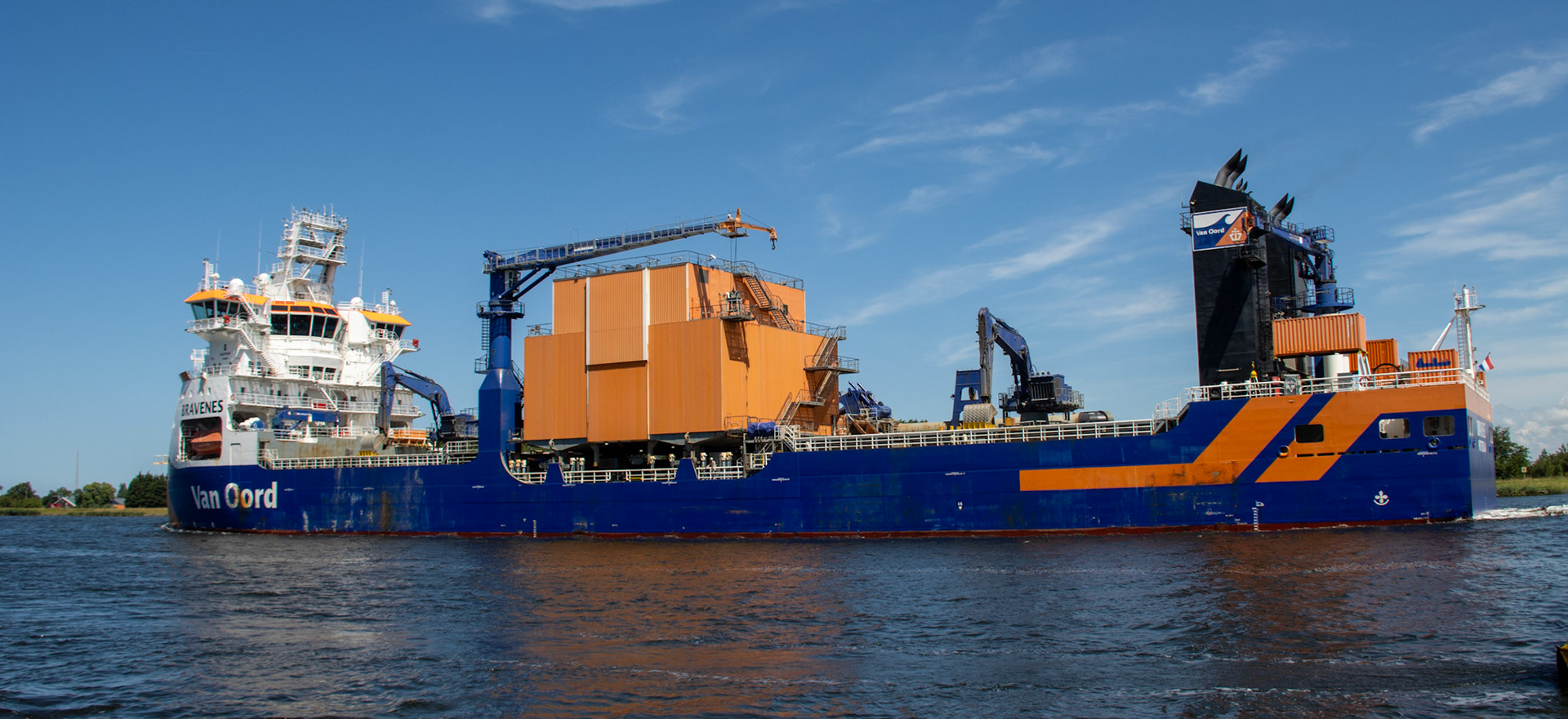
Much Bigger
Thanks to Abel’s recommendation we moored at the Amsterdam Marina on an outer berth and were rewarded with a constant show of commercial, tourist and riverboat traffic to entertain us. The ferries are all free here and ply their trade across and back from the residential areas into the city and are an essential tool for keeping traffic moving and getting people around the city to the right places. So we took a ferry into Amsterdam Central to see what we could find.
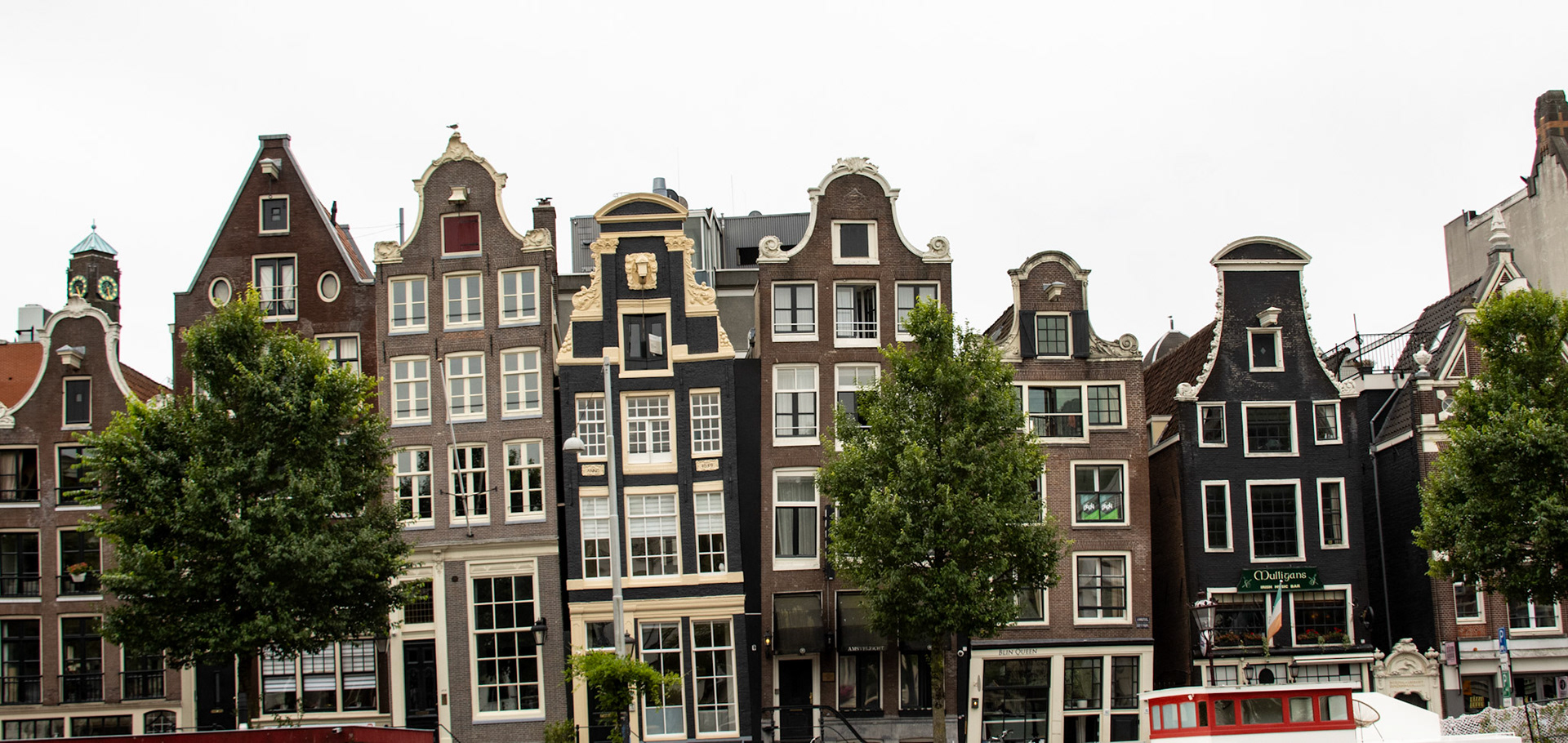
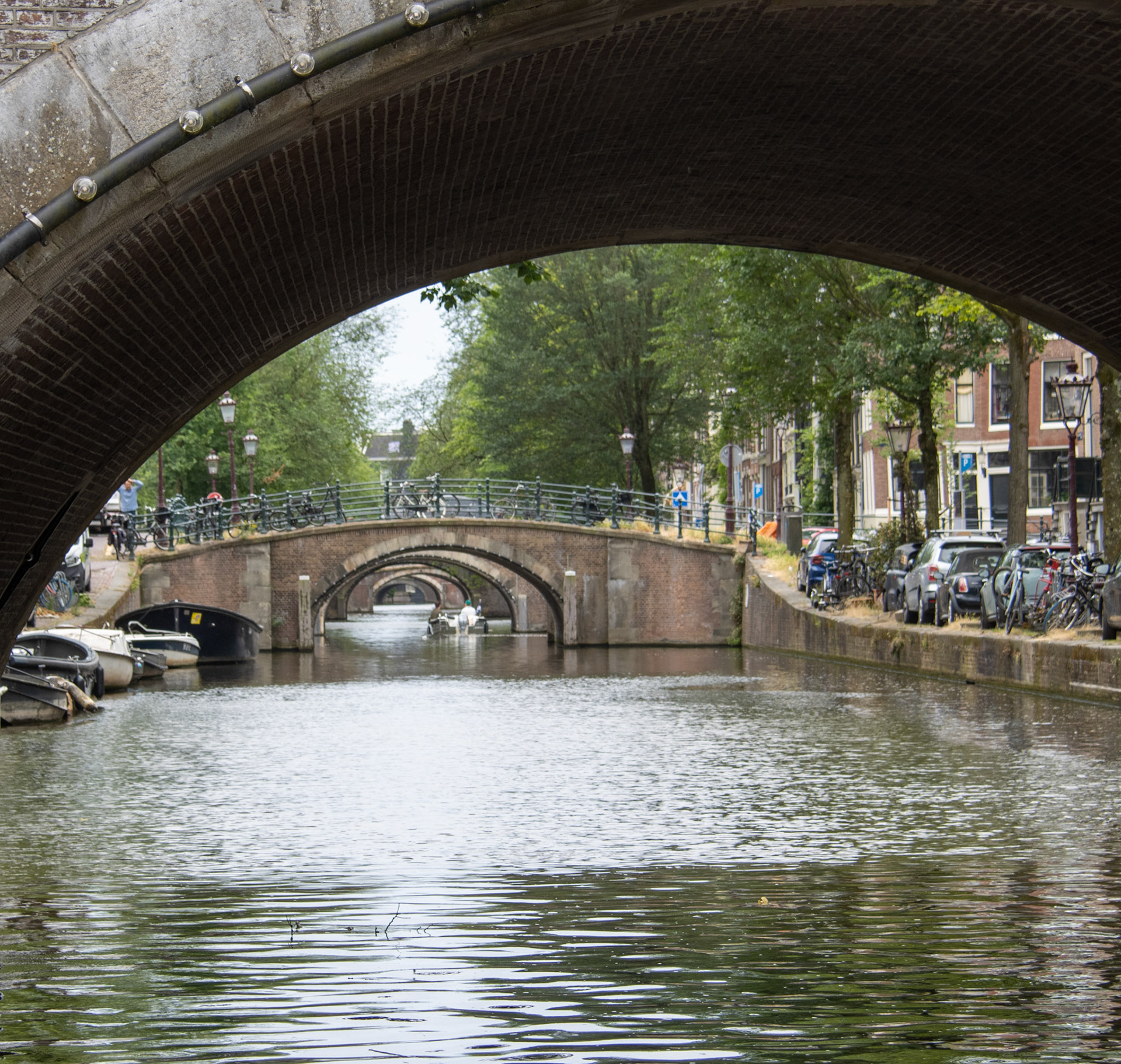
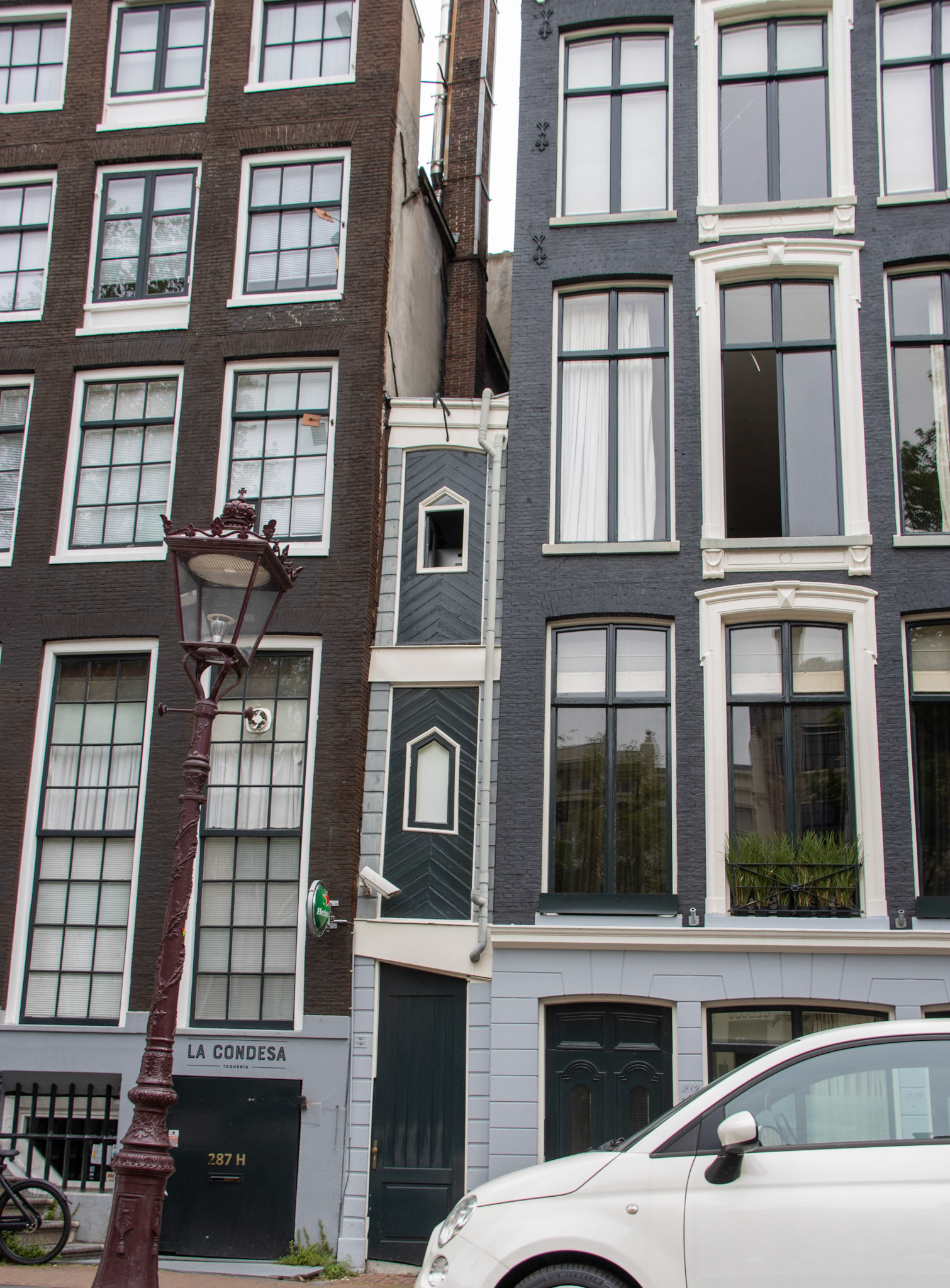
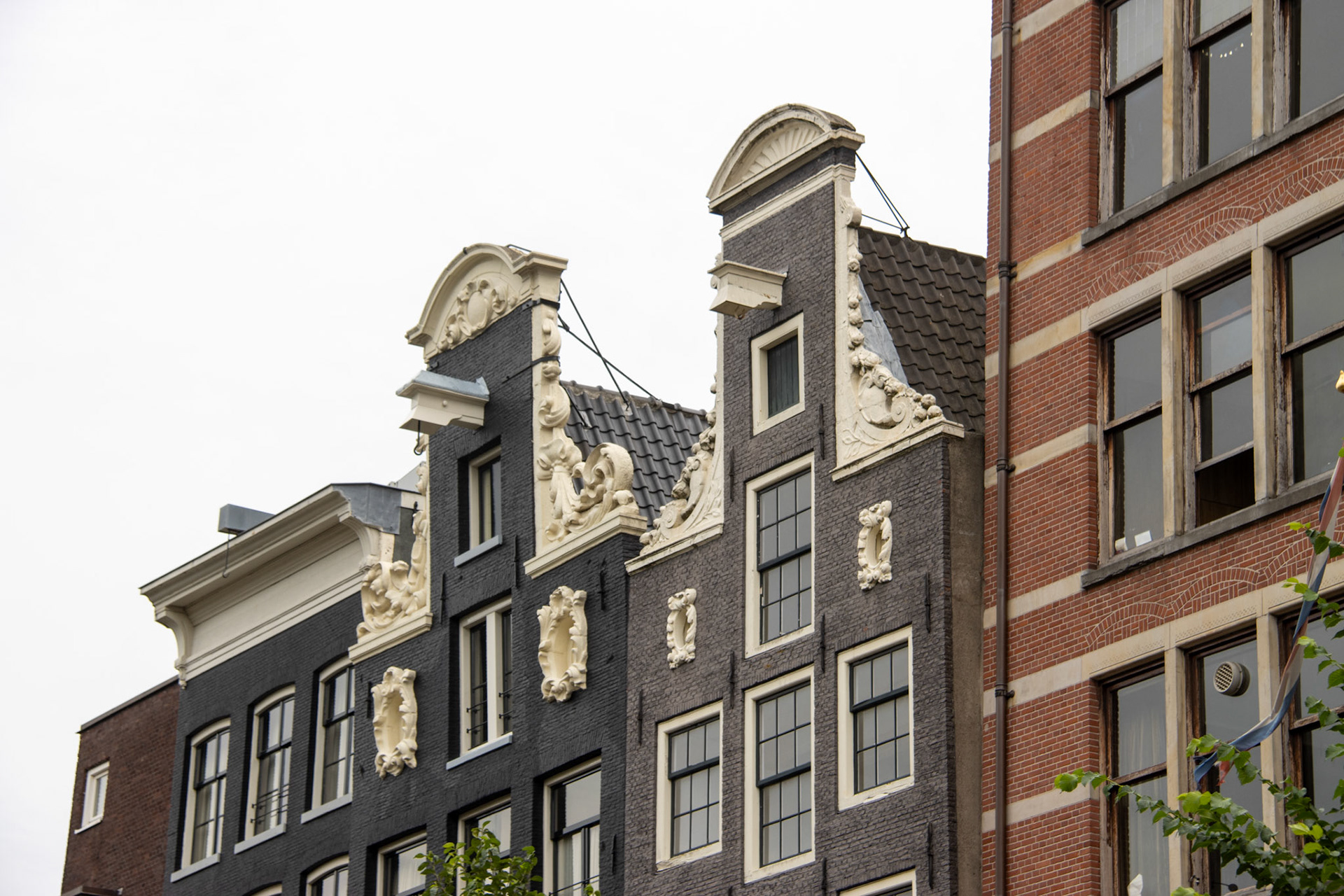
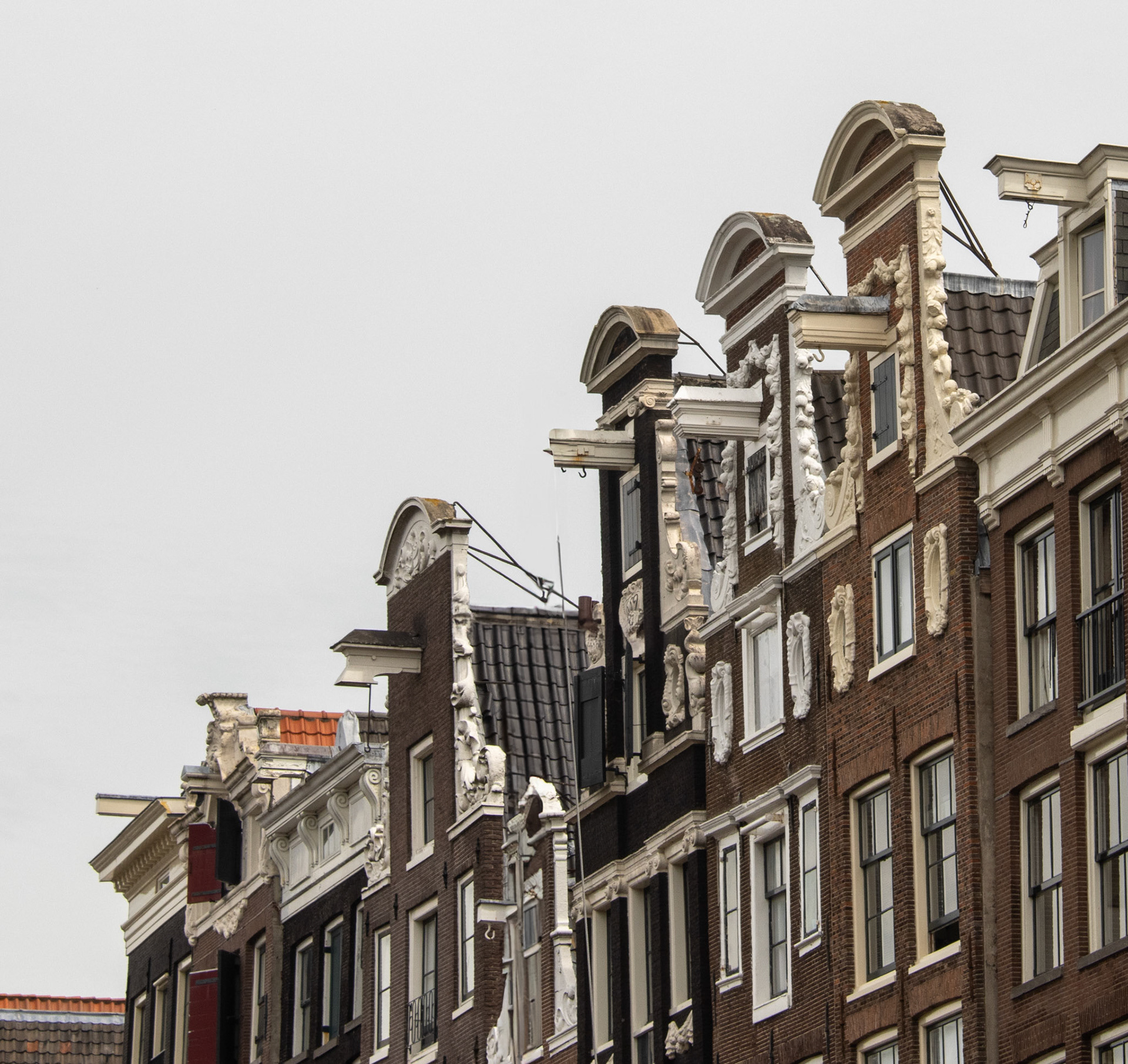
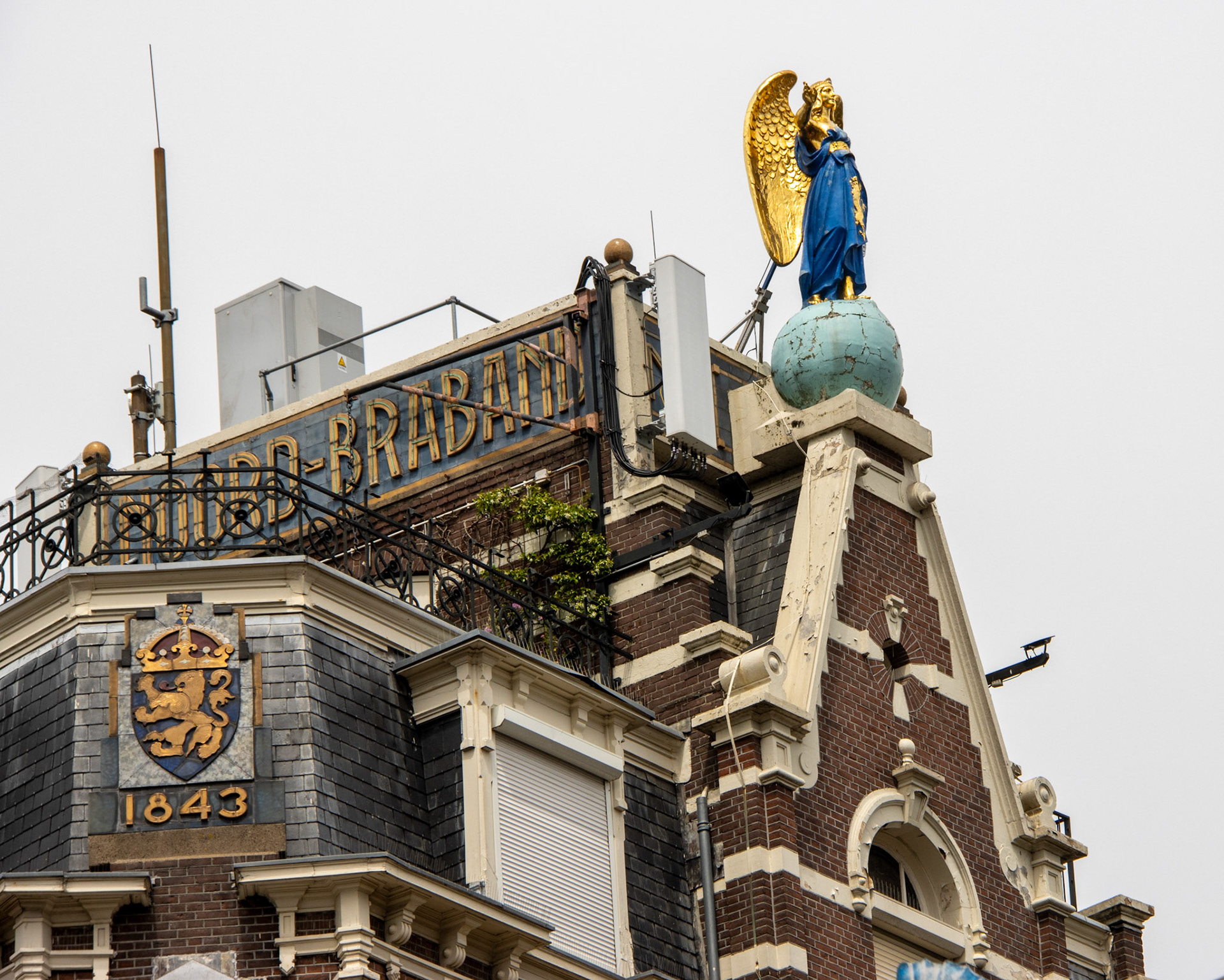
We are not really big city people and found the traffic, hoards of visitors and two wheeled vehicles quite intimidating. So we took a canal boat tour and saw some of the lovely places of Amsterdam from the safety of the water. So many delightful old buildings graced the sides of the canal and the young guide explained how in the past the wealthier you were the wider your house would be. That also explains why so many of the buildings are tall and thin. They were taxed less and could store goods at higher levels which suited many of the importers of spices particularly pepper at the height of the VOC and the Golden Age. Amsterdam was a city port and much of the worlds sea traffic passed through its environs. There was also a rule that no roof could be higher than the Church roof. Something to do with respect I recall. We found the architecture fascinating and the in the back streets the smaller bridges and twisty paths and canals were truly evocative an older Amsterdam. We of course found ourselves on Canal Strasse by mistake and we returned to the marina with a headache from the amount of weed we had inhaled on our walk through the city! I was advised to avoid the Coffee with brownie shops – cant think why!

One of the oldest cafe's in Amsterdam

very small


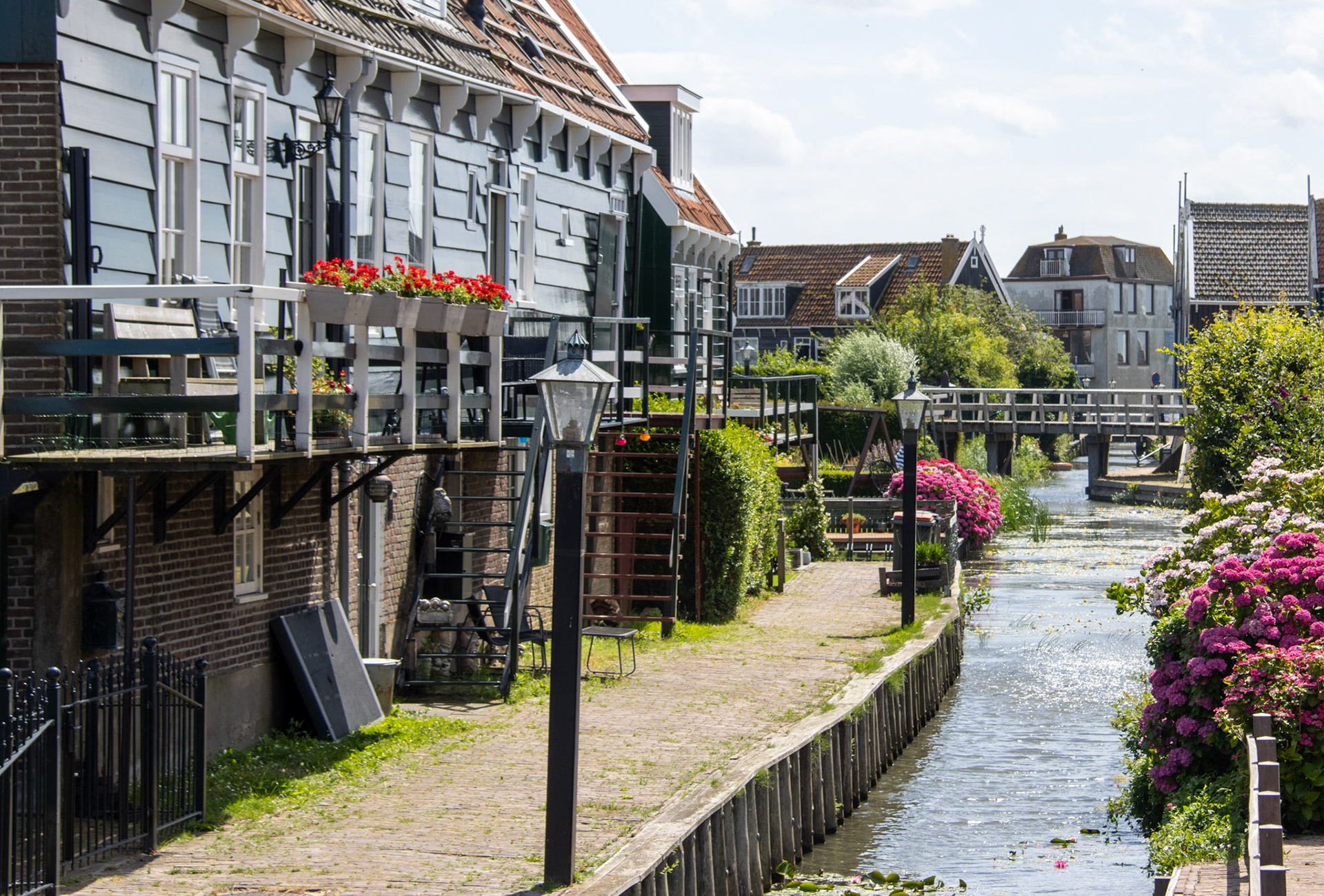
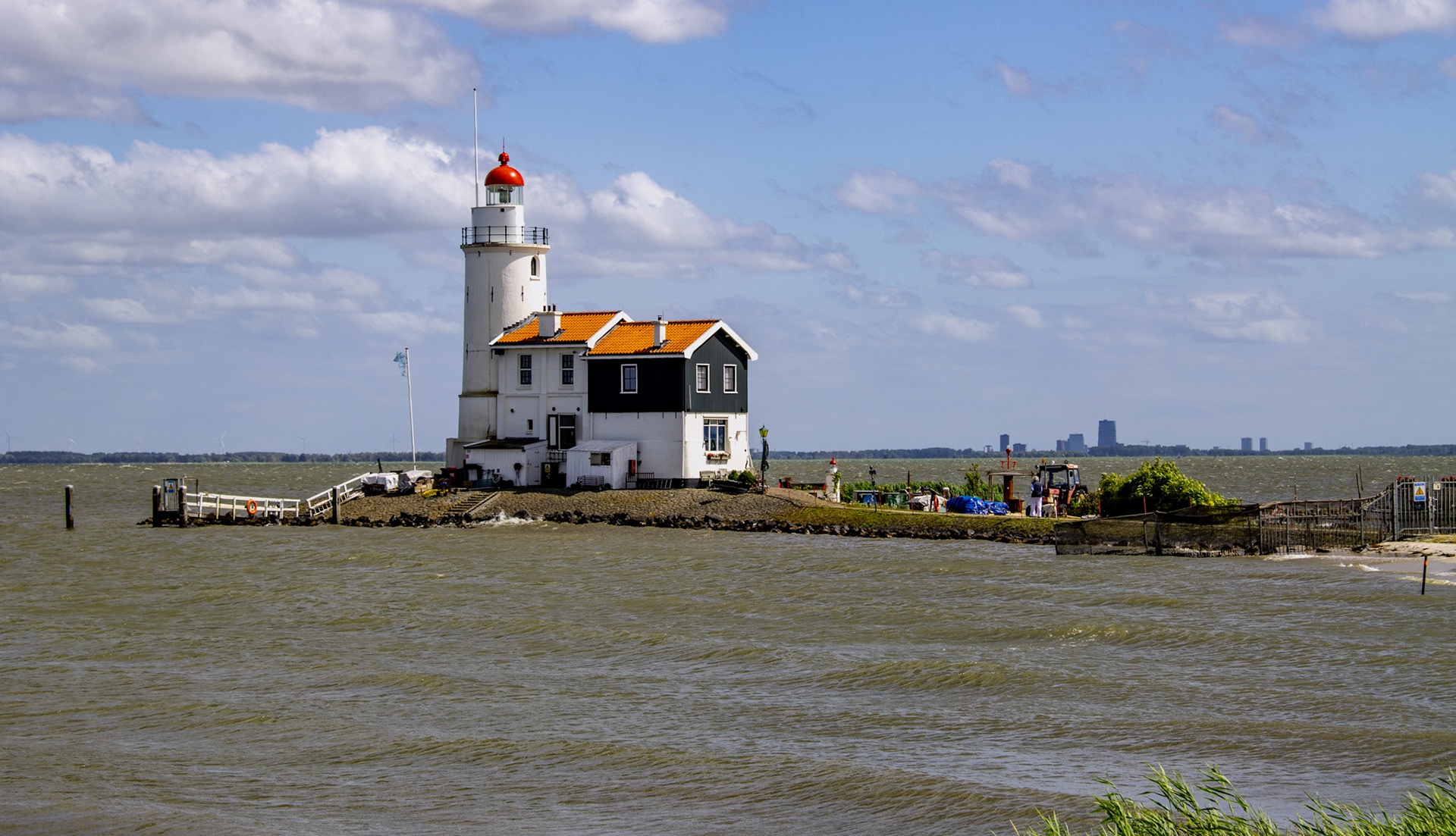
So we left Amsterdam and headed toward the Markermeer with the aim to get through the entrance lock and up to the island of Marken. We followed the channels religiously and ensured that we had the waterplanten ap opened. There were many barges and other commercial traffic using the routes and we arrived at Marken relatively free of weed. Run by the local sailing club it is possible to stay here on the quayside for up to 3 days for free although there is no water or electricity available. This suited us after the bustle of Amsterdam and we had a delightful if windy walk out to the light house the next day.
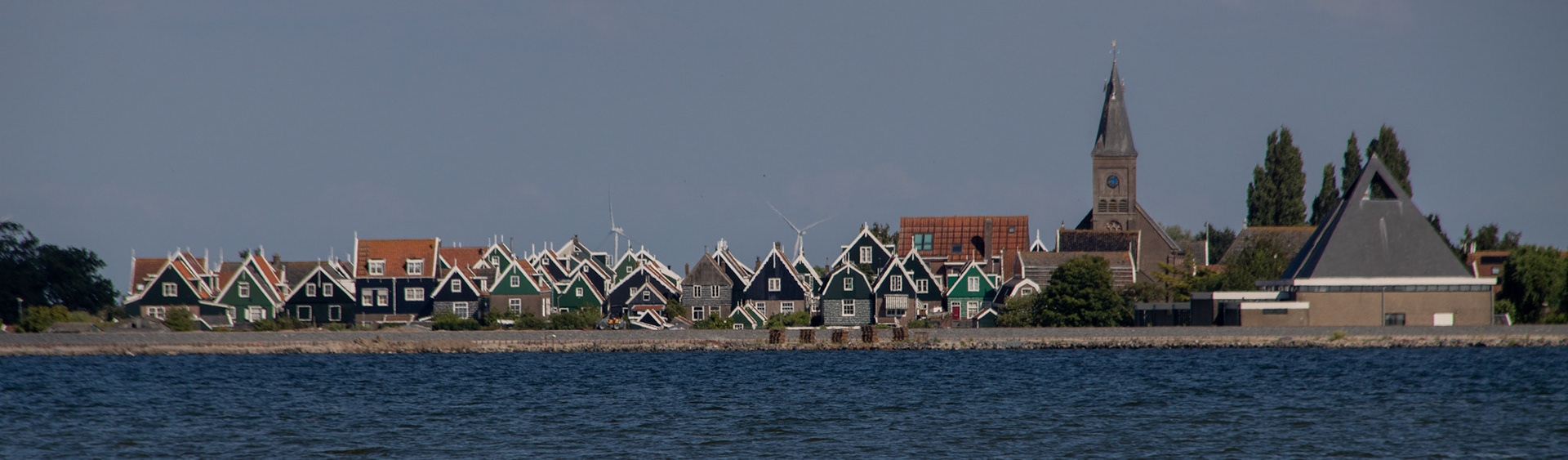
Marken

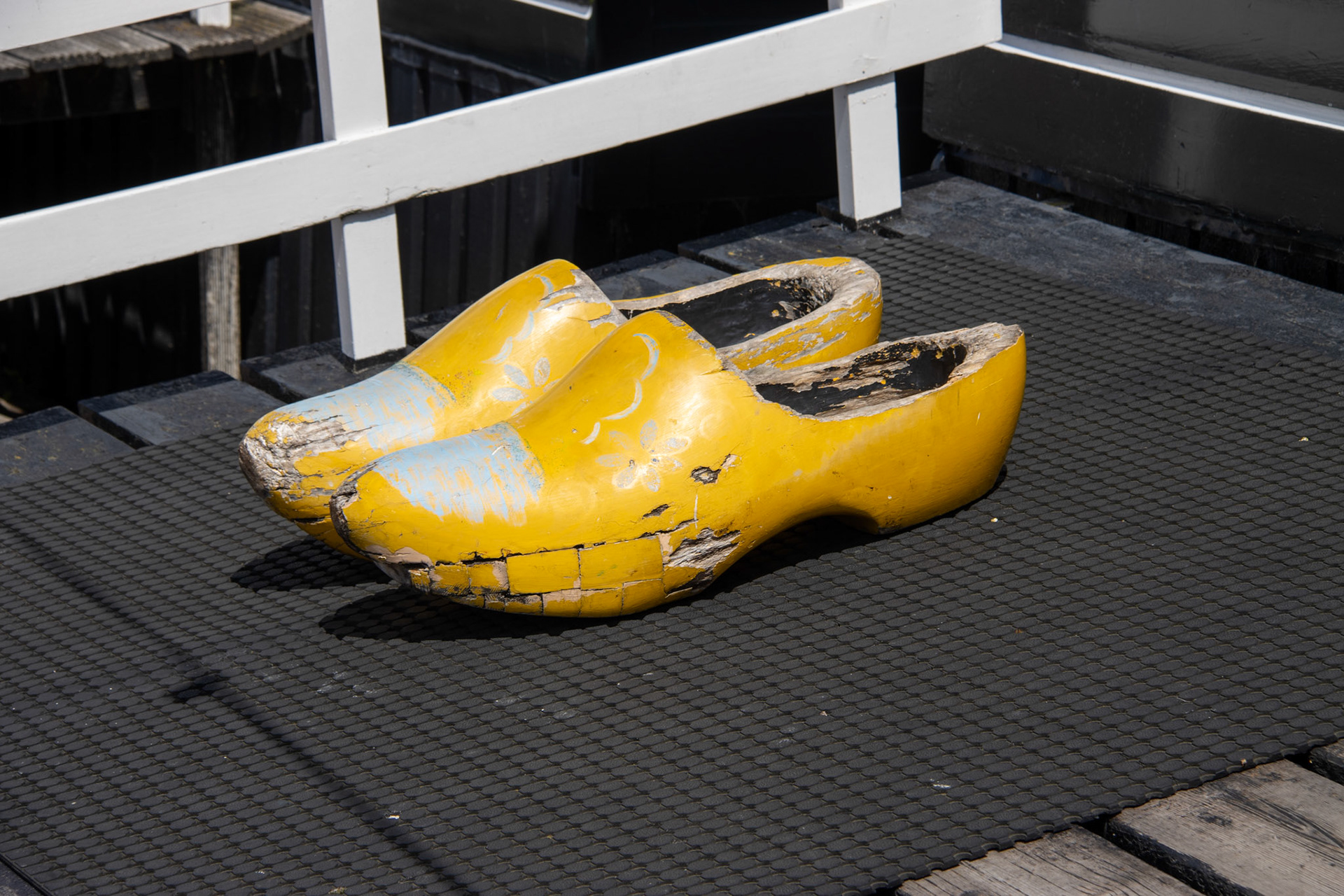
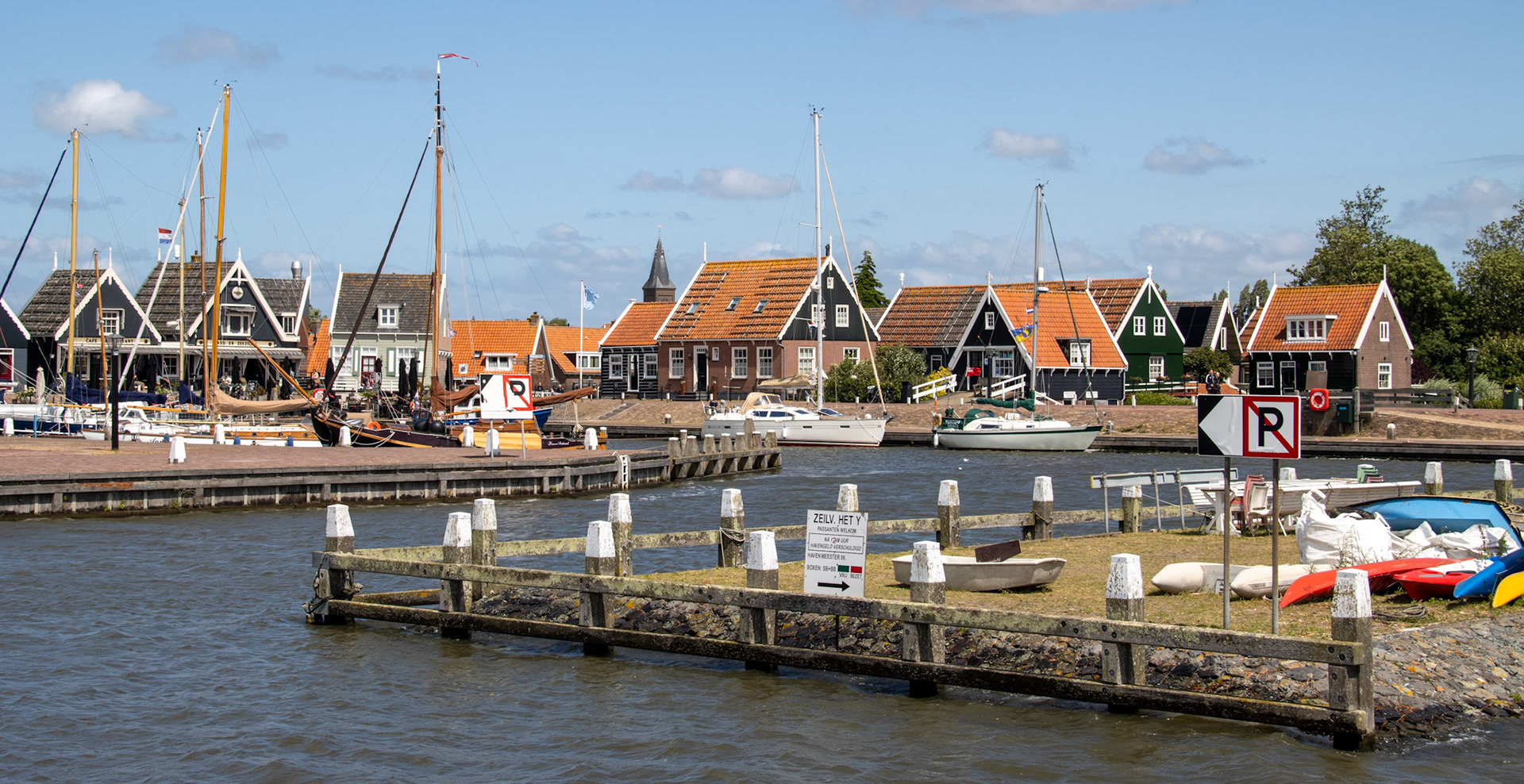


Paard van Marken
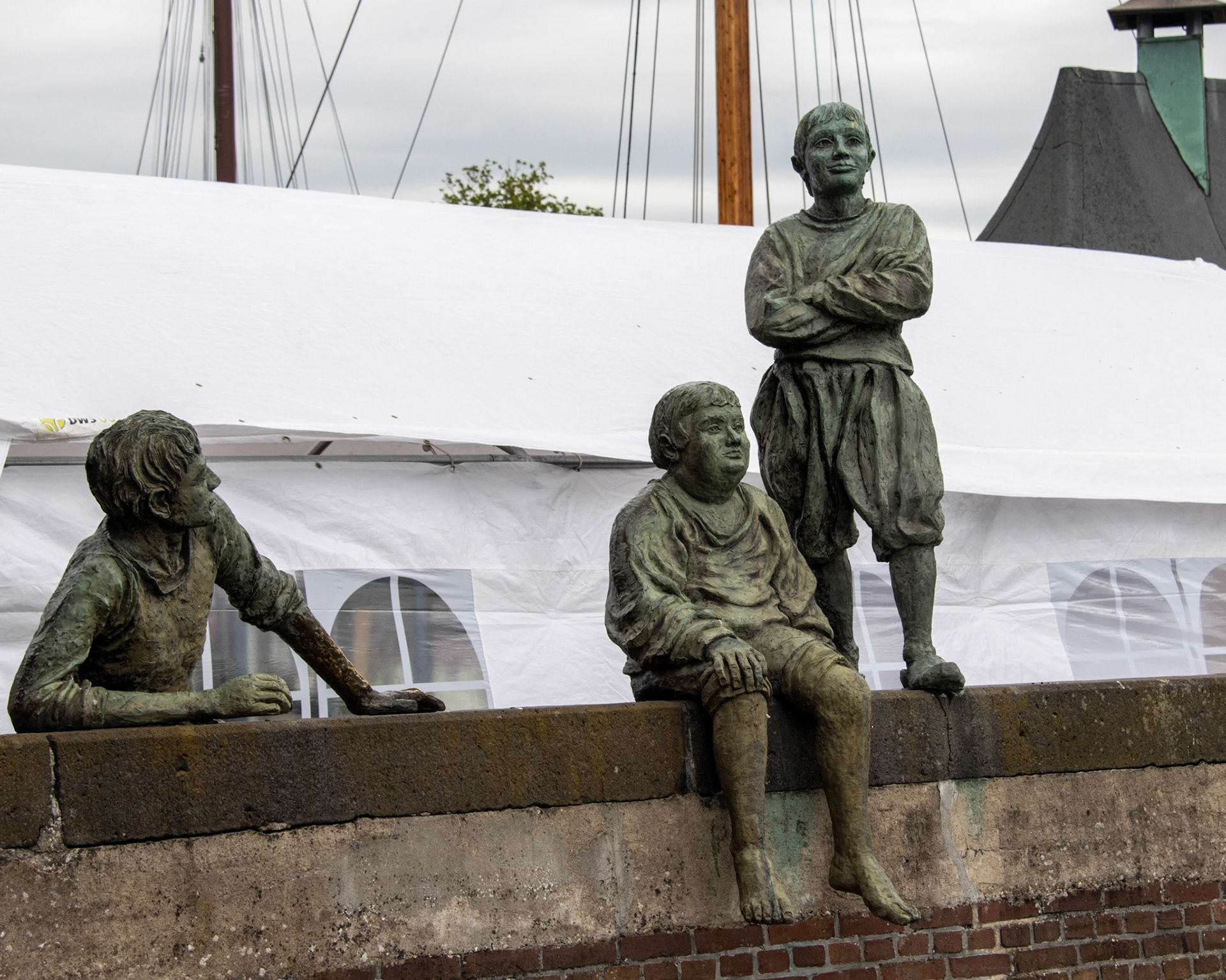
After Marken we headed up to Hoorn to find ourselves in the middle of yet another festival. Music and dancing and a wine festival in this delightful old city was really quite special and it brought in many young and older people all with the intention of having fun. There were many sea shanty groups along the quayside and one star turn was a group of older Dutch women all in traditional costumes encouraging the audience to participate in their slightly risqué songs. The Dutch East India Company was founded here and there are vibrant echoes of the wealth and privileges that fell to the city because of its history. It is also the birthplace of Willem Schouten, a local explorer who named the Southern tip of South America Cape Hoorne after his birthplace. His early travel adventures with the Portuguese merchants allowed him to make detailed and accurate charts for the merchants of Holland to use when they saw the possibilities of bringing great riches back to their homeland. This was the beginning of the Golden Age and although not all ships made it back to Holland, many merchants and their sponsors became very rich off the back of that trade.
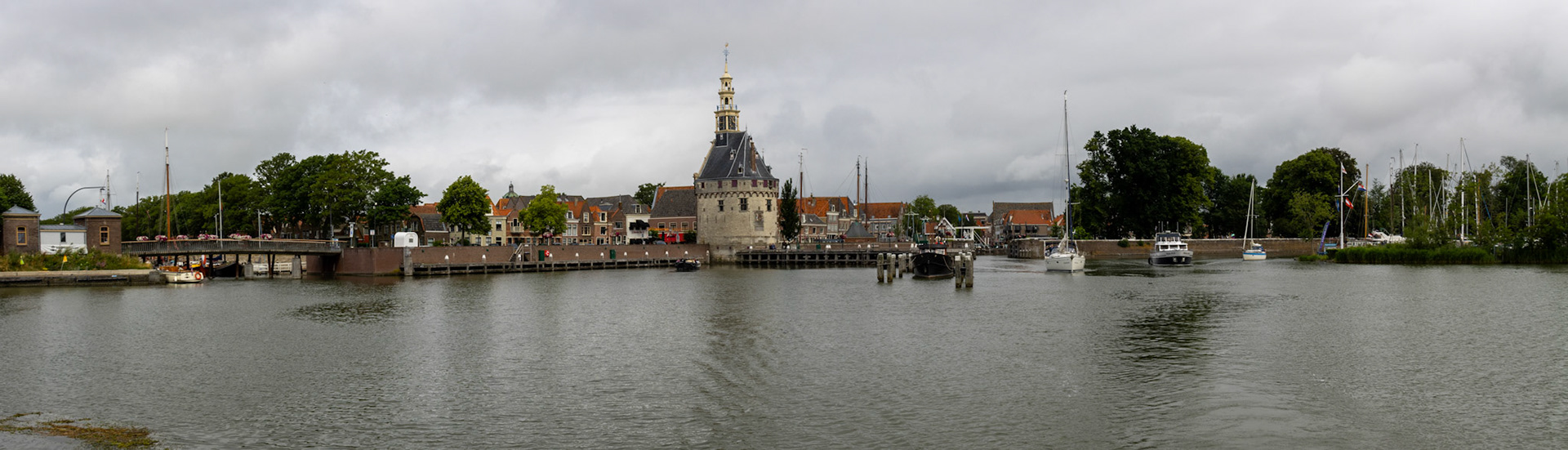
Hoorn
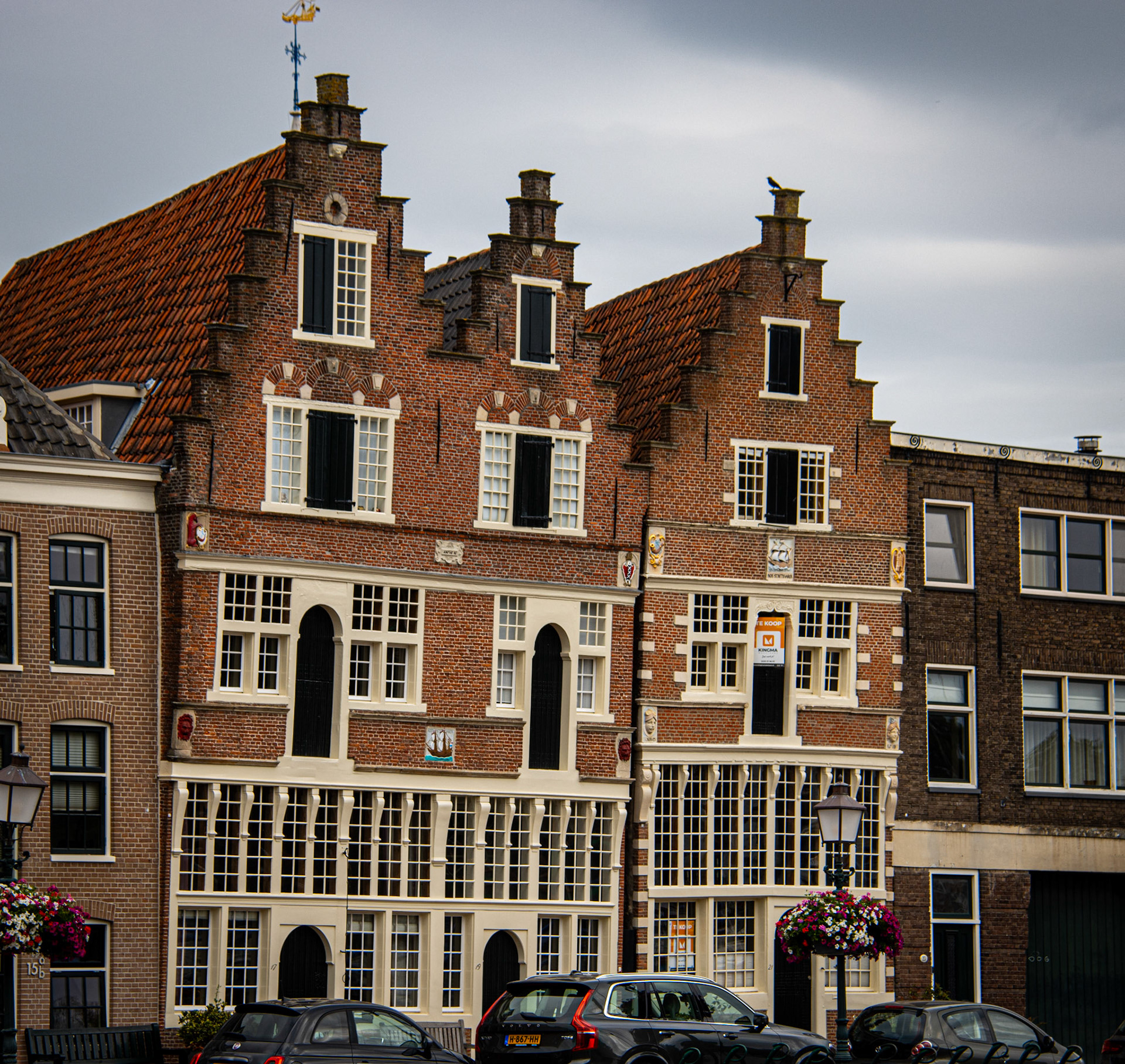

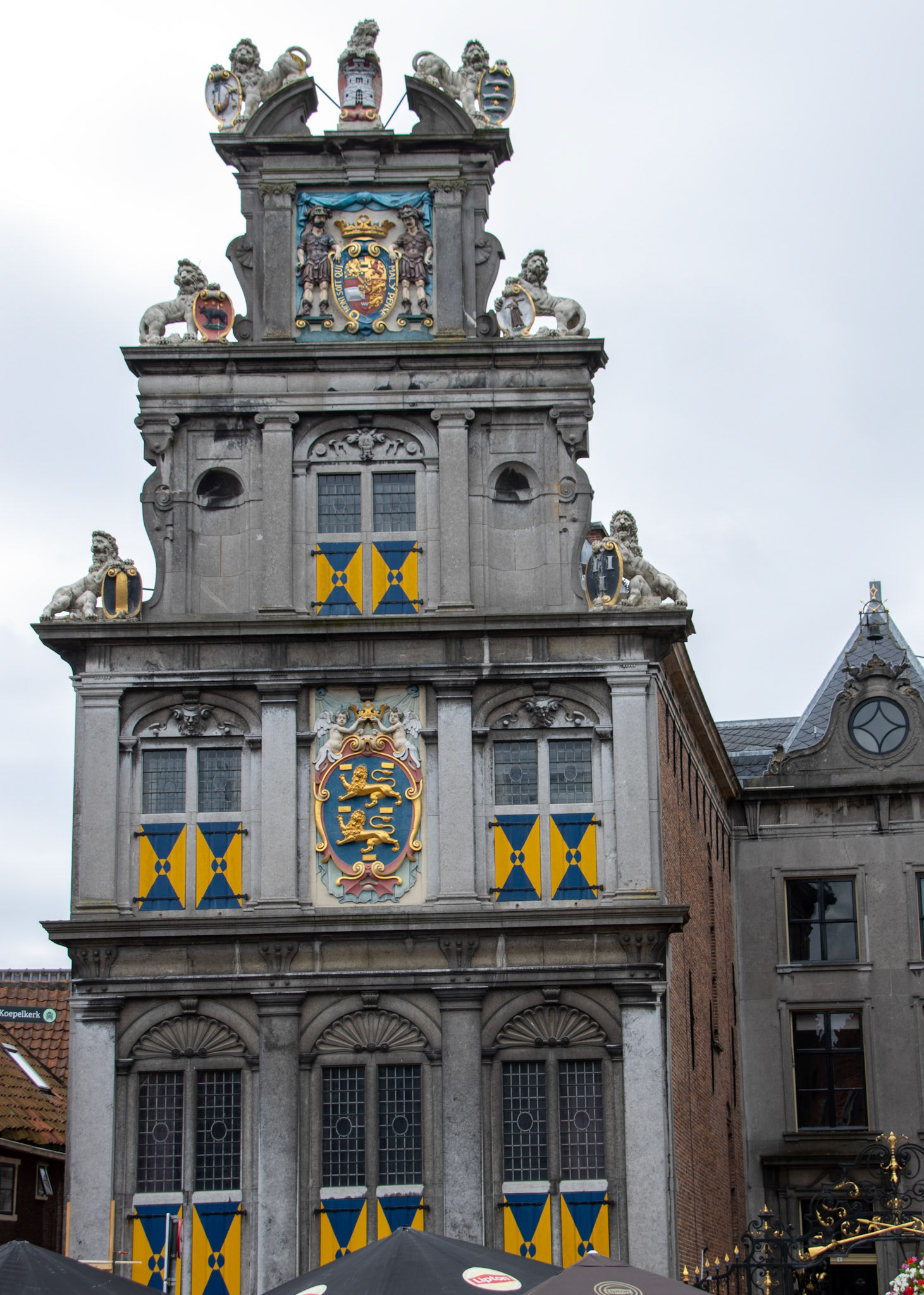


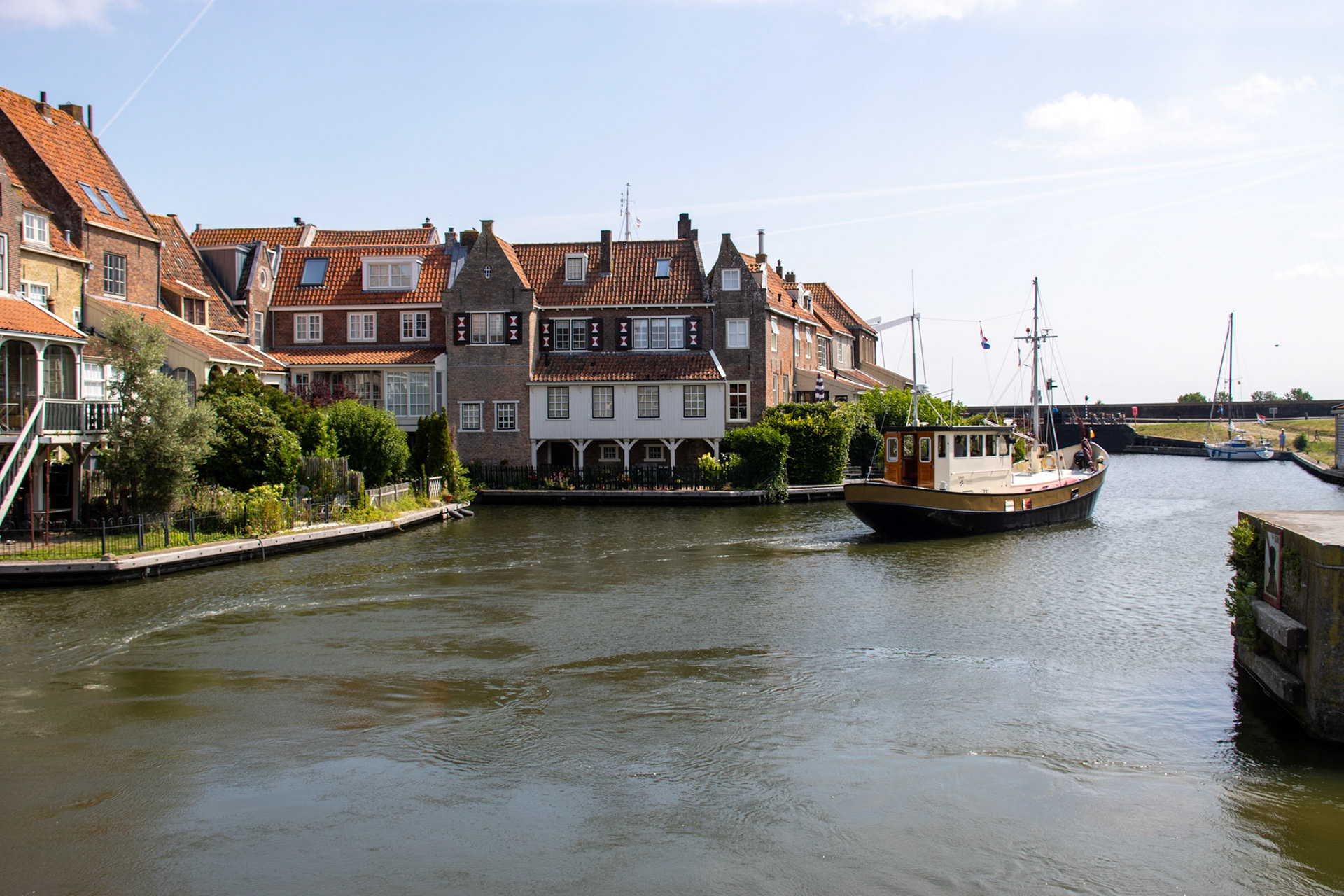


Leaving Hoorn at 1130 we sailed up to the anchorage just outside Enkhuizan and dropped the anchor in 3 metres of bomb proof gloop. It was a breezy night but we were safe and warm and looking forward to going into Enkhuizen the next day. We were now in the Ijsselmeer yet another freshwater meer protected by the huge Afsluidijk dam that was built around 1933. It was not always so protected, this area was formerly the Zuiderzee which was a sea created by the forces of the north sea and vicious winds around 1287. Many villages and towns formed in this area as the trade brough great wealth to the area. However the same problems occurred and as the are silted up and the ships could not pass through the idea of the dam was formed and begun in 1927.
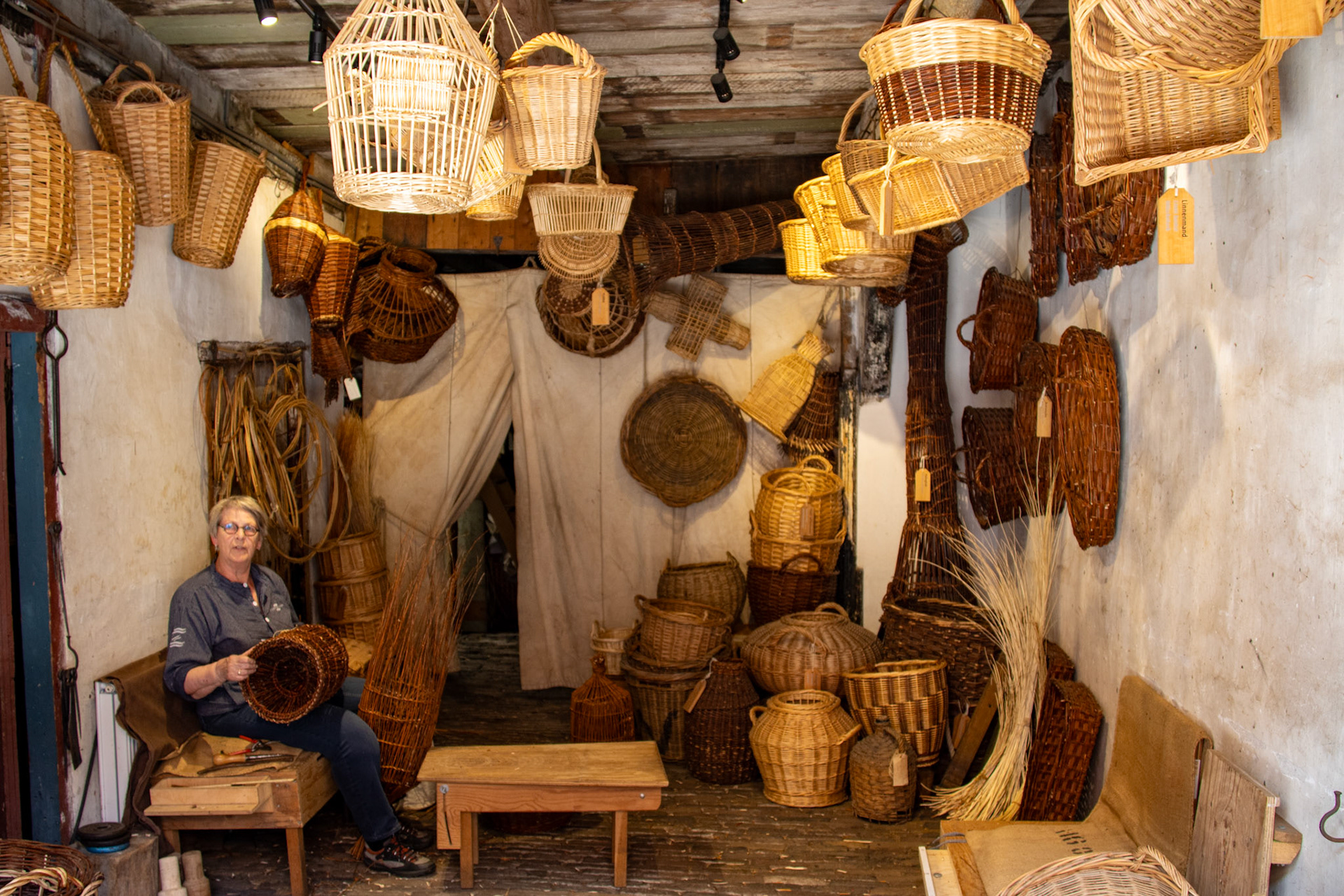
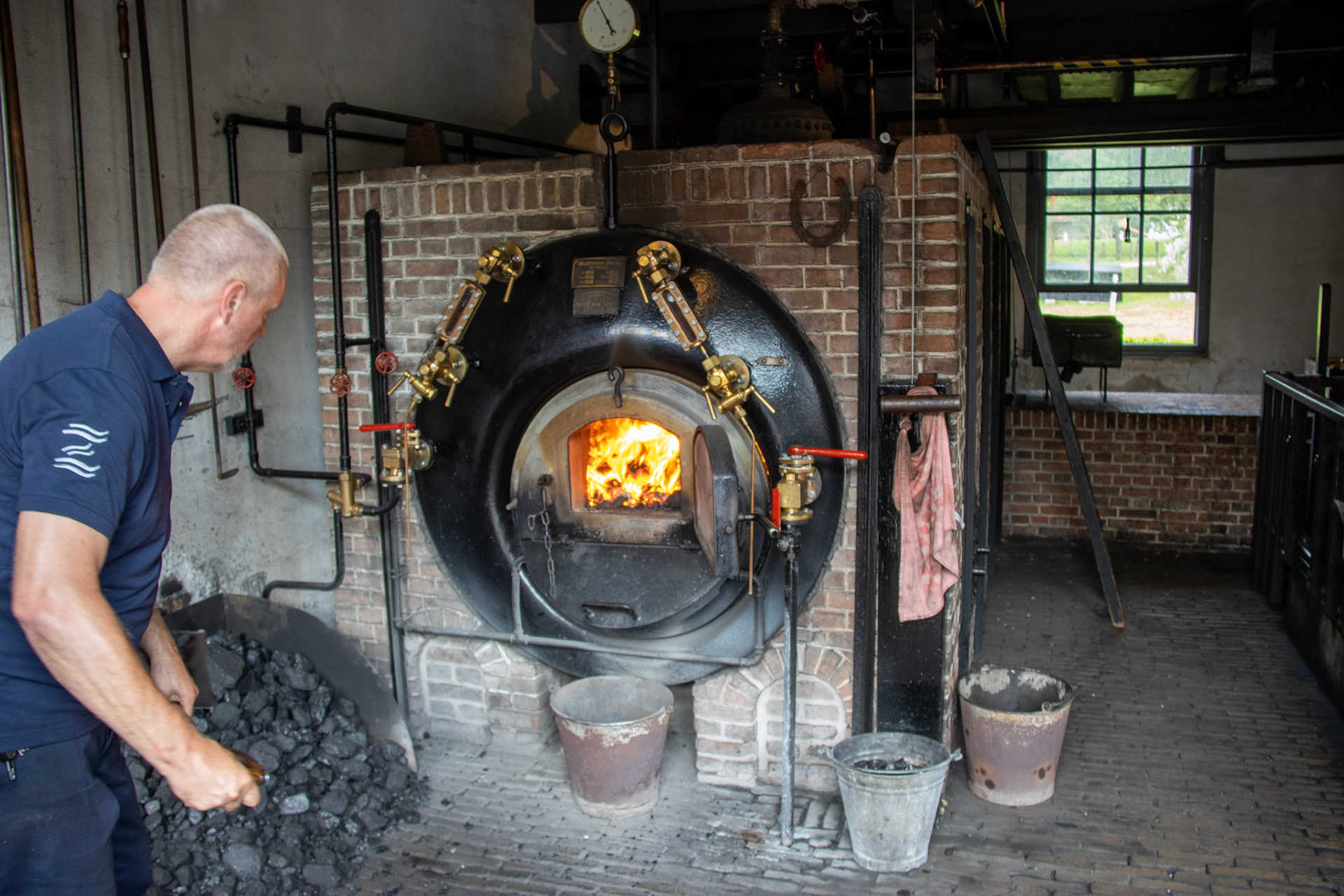
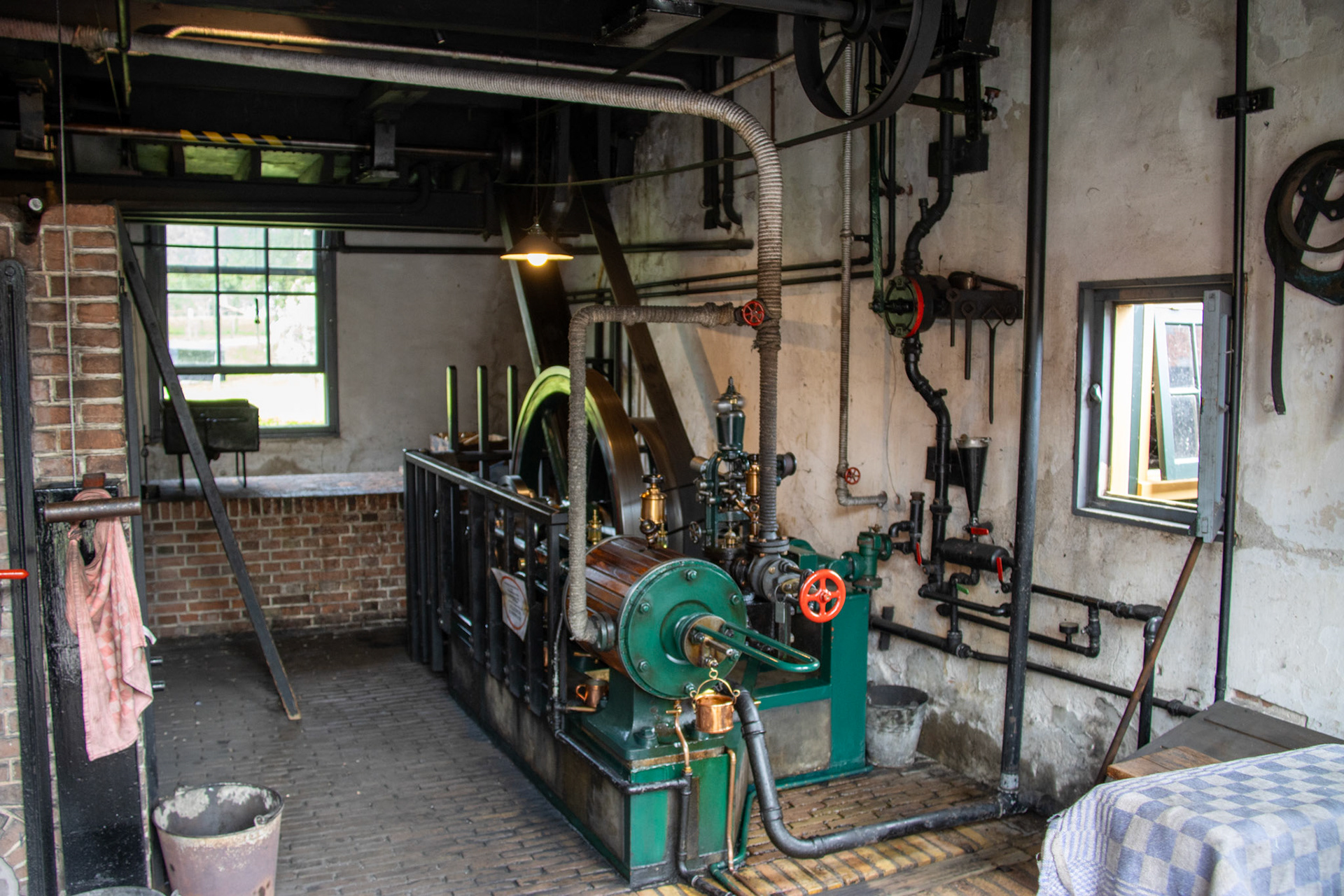
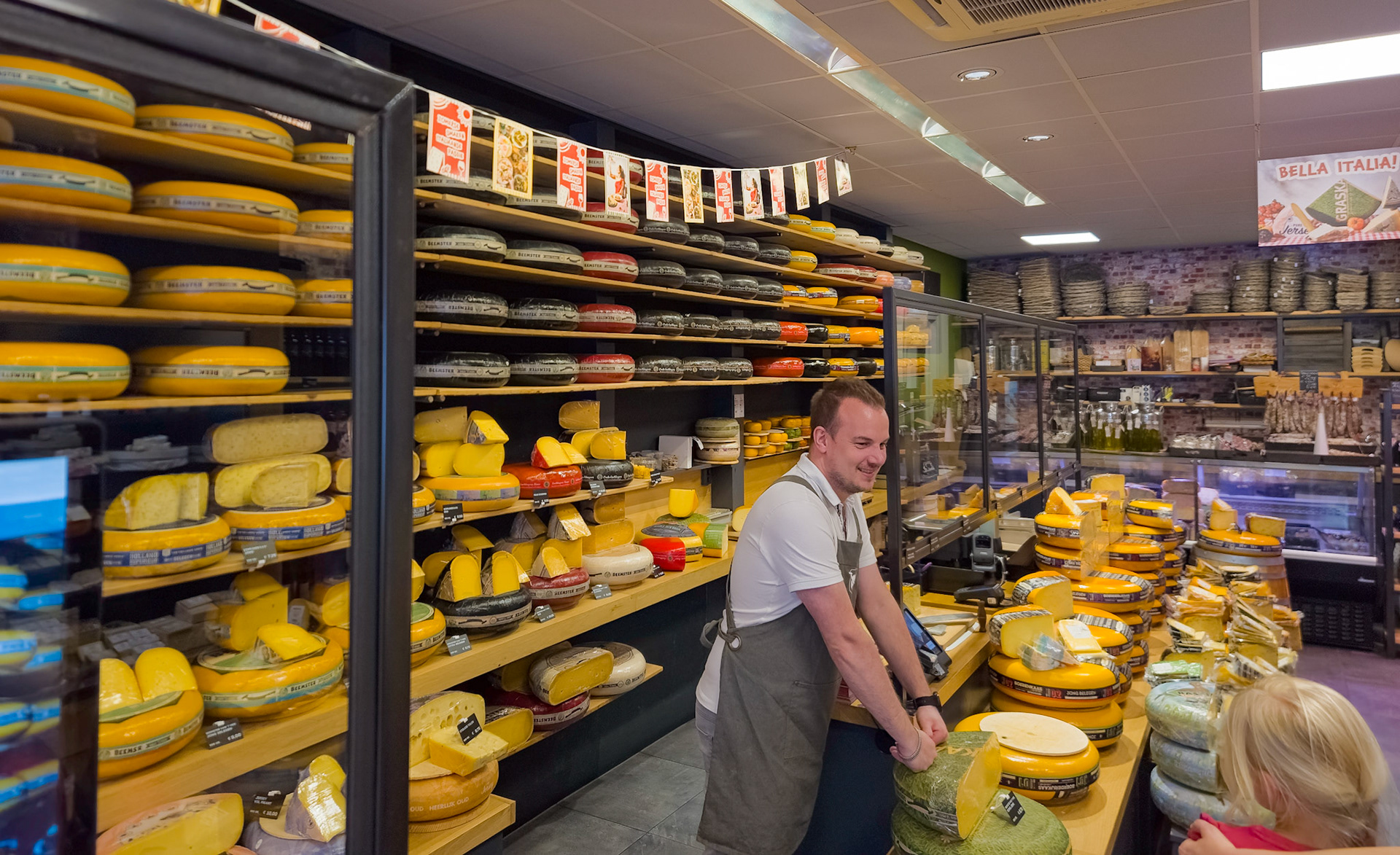
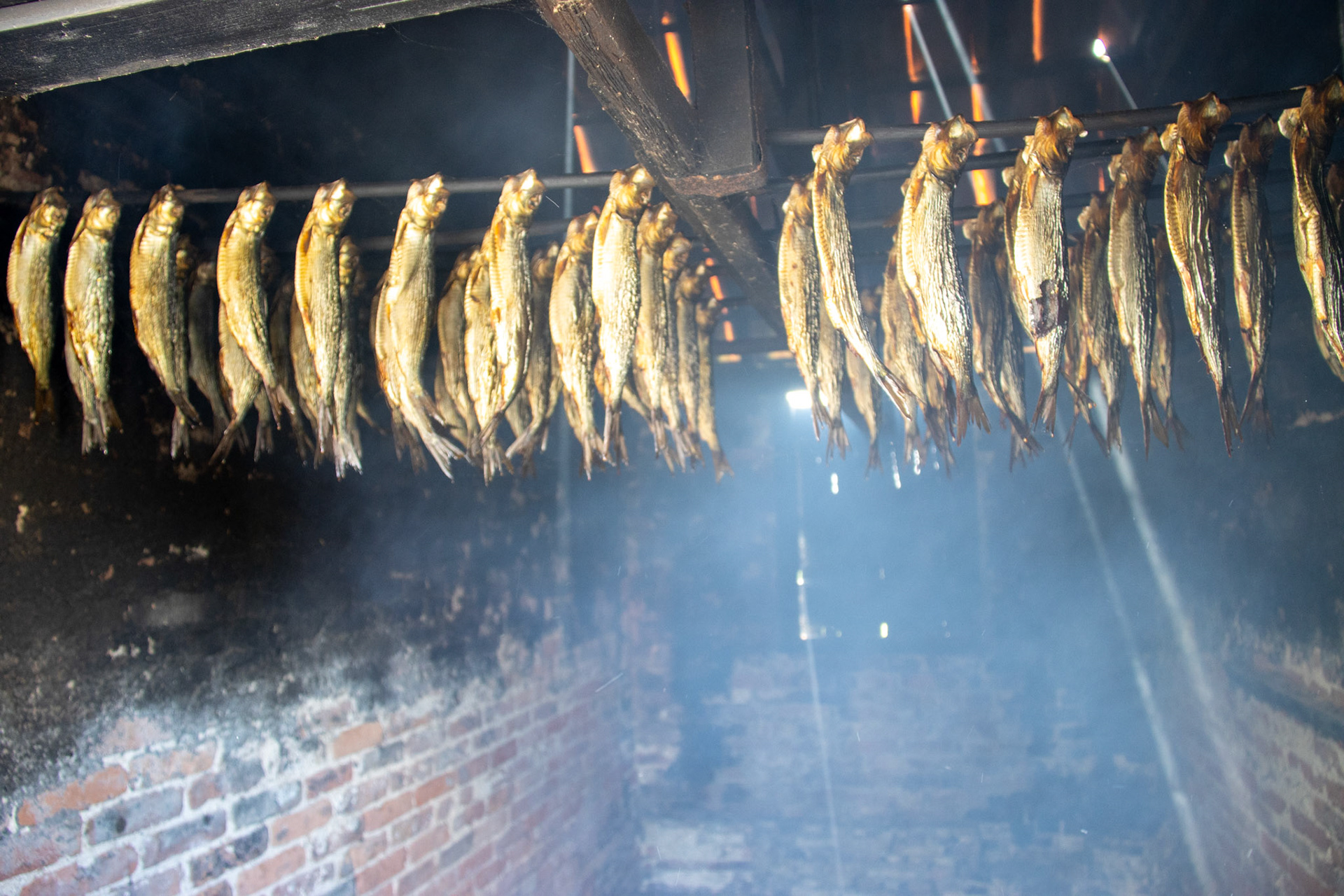
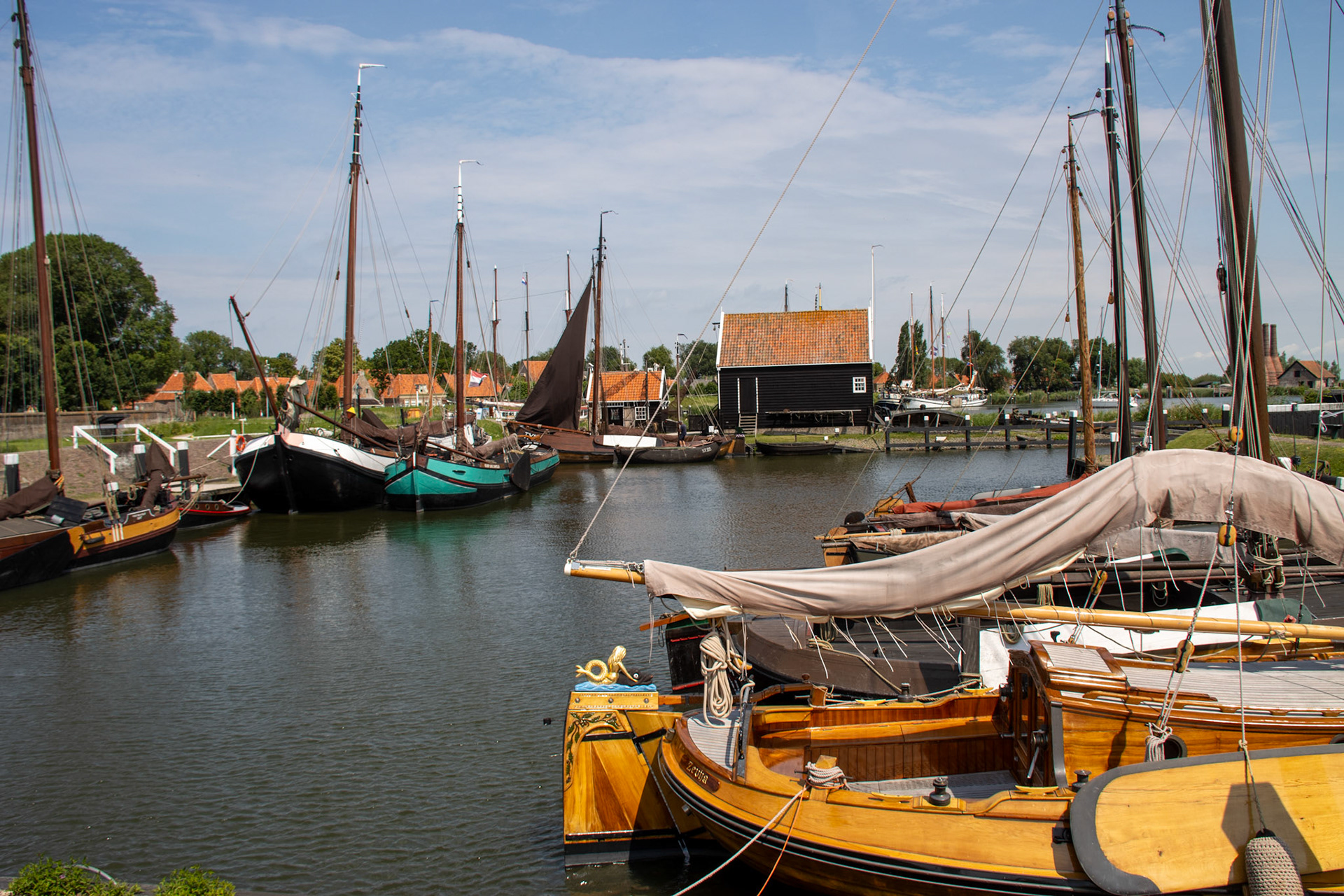
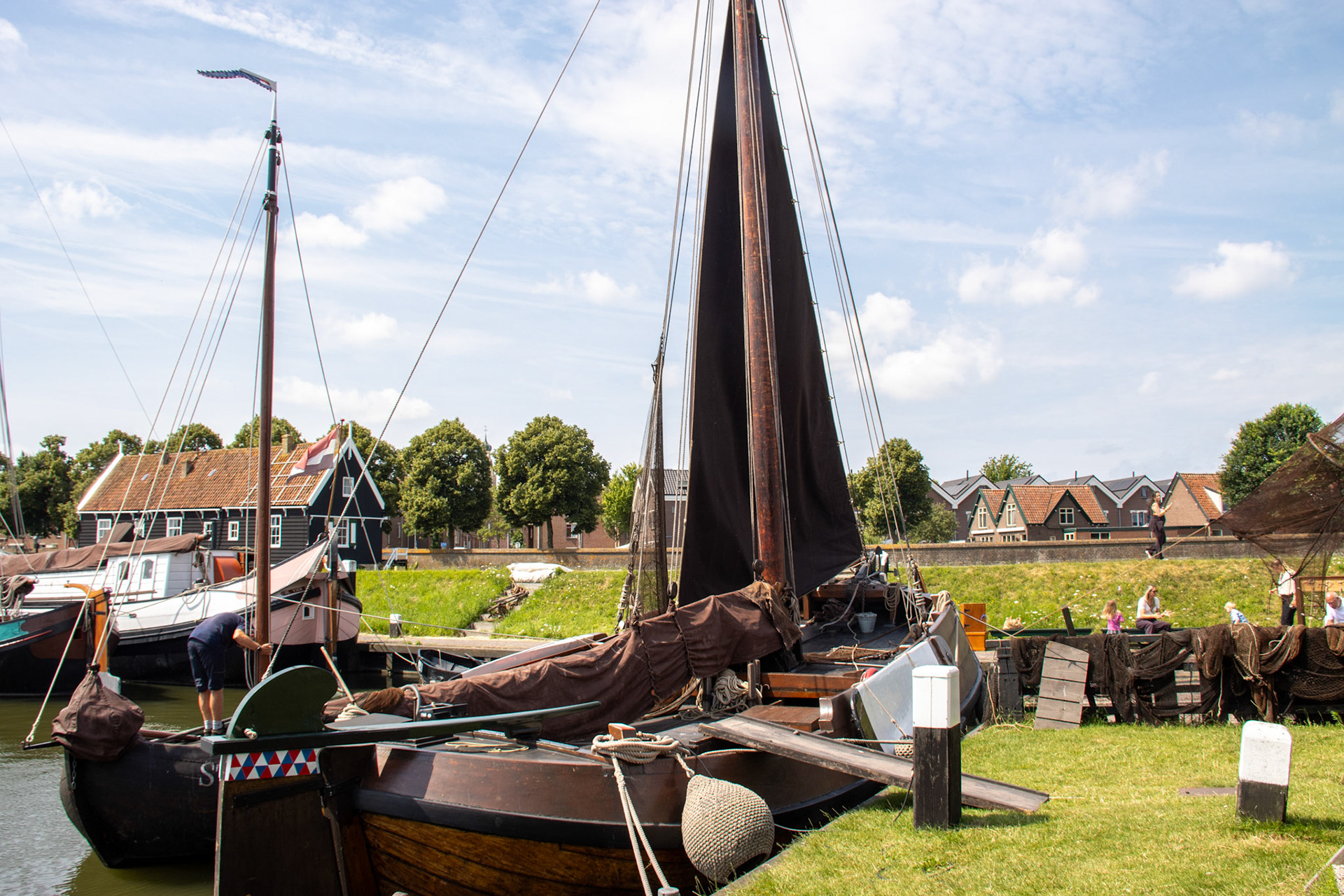
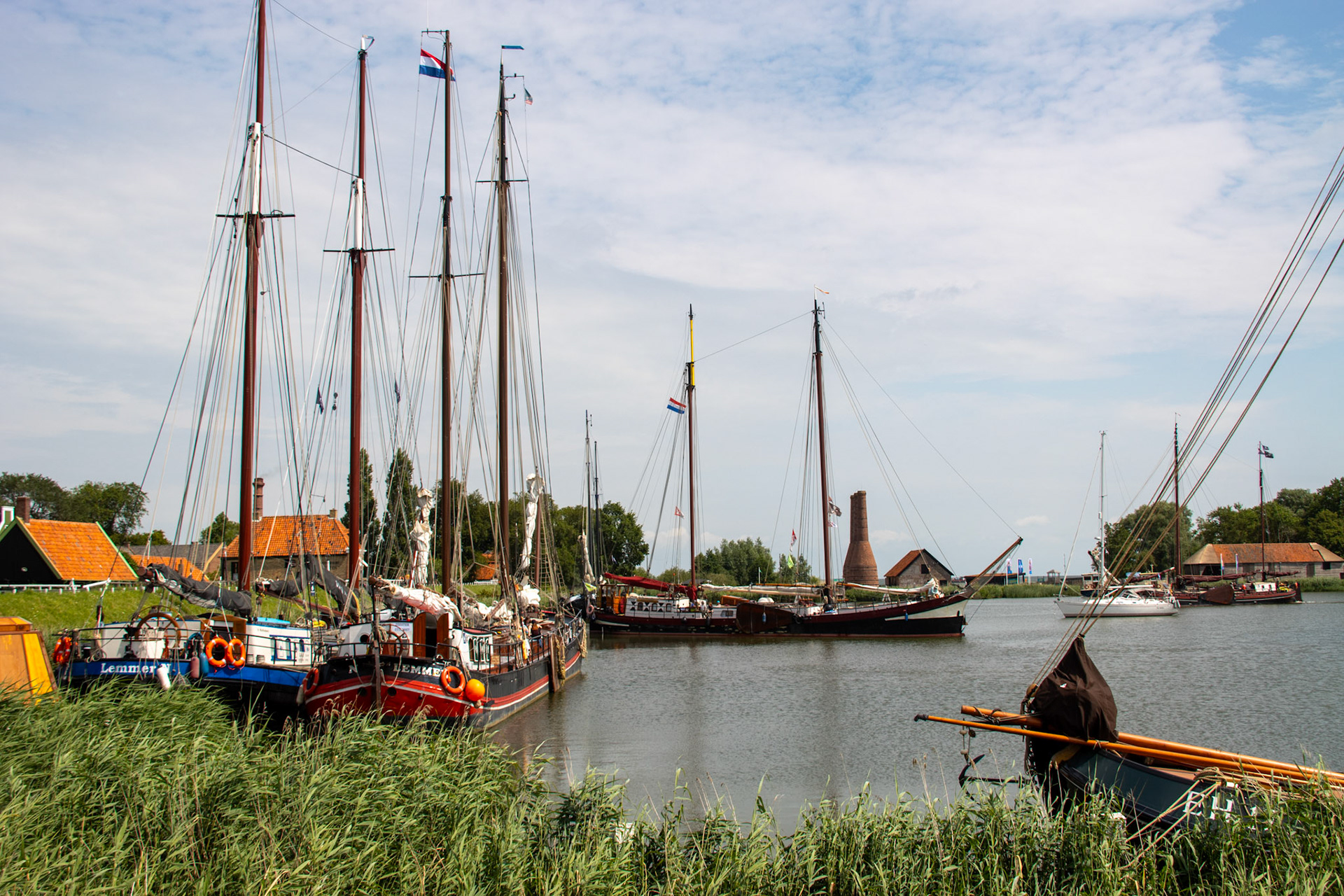
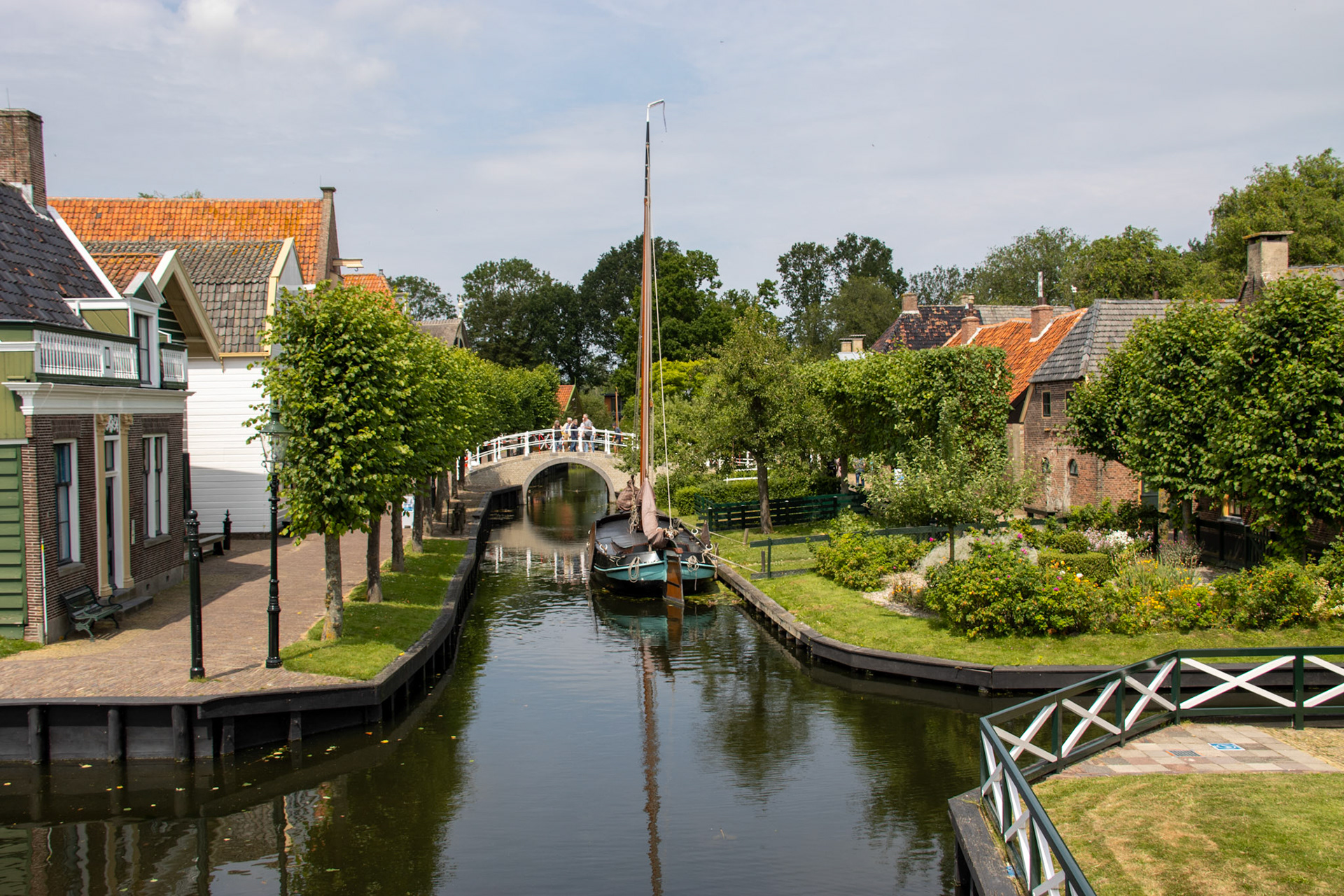
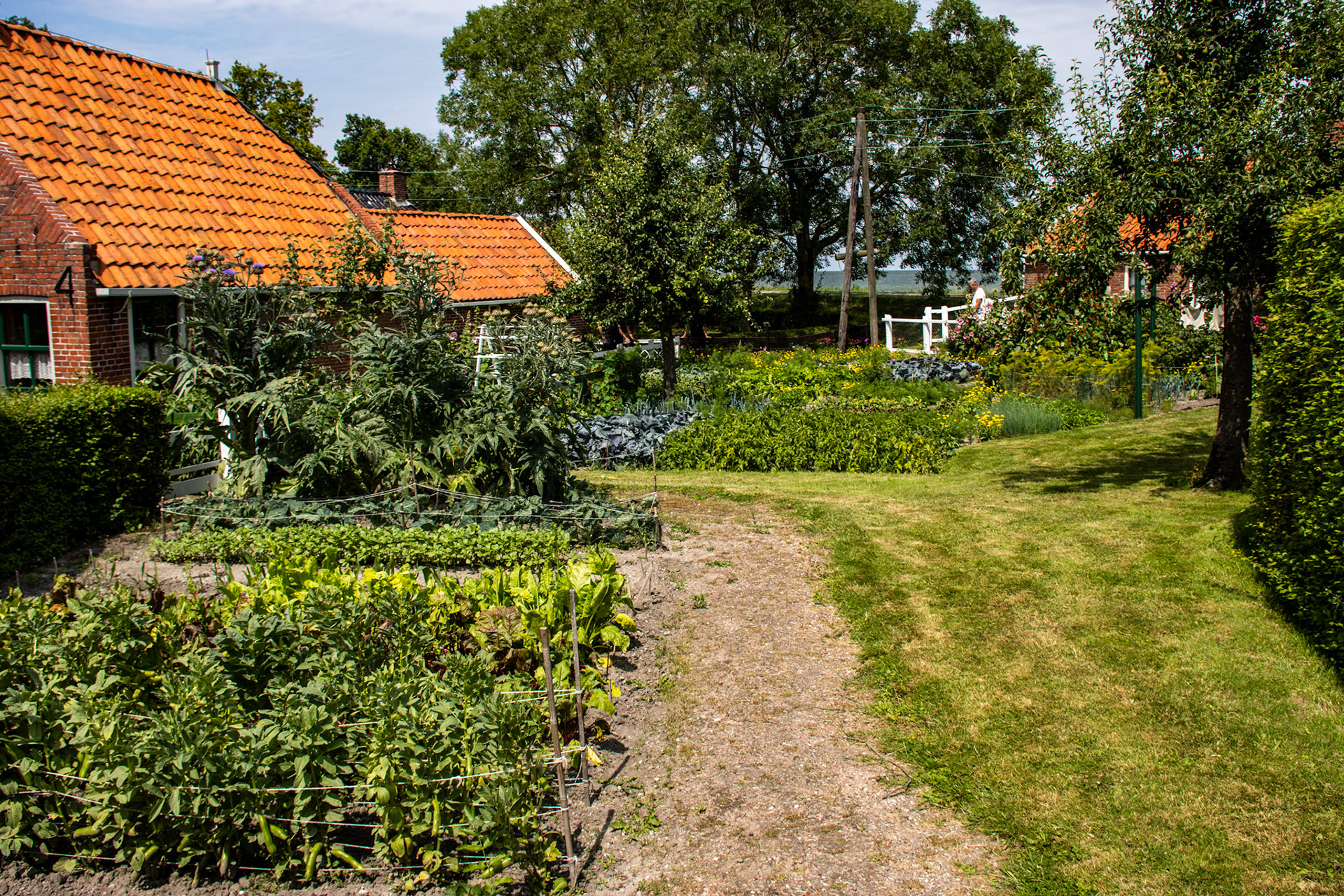
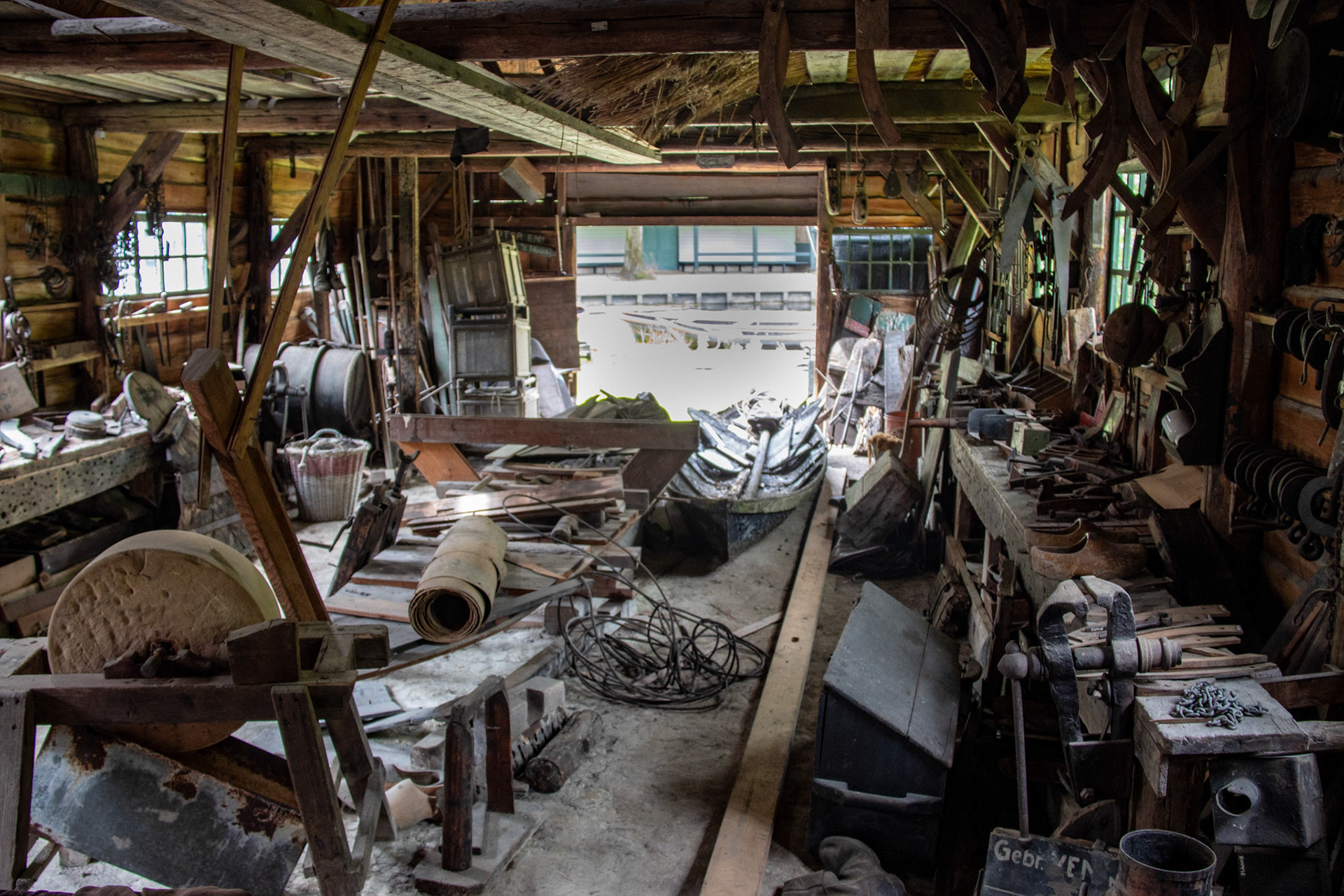
Enkhuizen itself is a real historic gem and we stayed in the delightful Buyshaven, owned by the Royal Netherlands Yacht Club. It was a safe and secure harbour and it has excellent train links so we decided that if they had space we would return there with Whimbrel for our visit home in July and early August. In 11th century it was the home to a huge herring fleet and most of the wealth of the city depended on this trade and all the associated trades needed to support that activity. It is now also a world-renowned distributor of seeds and although we were tempted to visit this museum we were drawn instead to the magnificent Zuiderzee open air museum. The buildings in this museum are all authentic and were relocated from the villages and towns throughtou The Netherlands to help preserve their history. We spent the whole day there experiencing how townsfolk lived and made their money; we ate freshly smoked mackerel and had the best applecake and cream for our lunch – portions of this cake are huge! And to finish the day we visited a cheese shop in the town where the proprietor gave us a history of the cheeses and allowed a little tasting before we bought – Nicks heaven!
So our exploration of this side of the Ijsselmeer finished and on 8 July we headed towards the inland Friesland Lakes. Abel again giving us the best routes and places to stay.





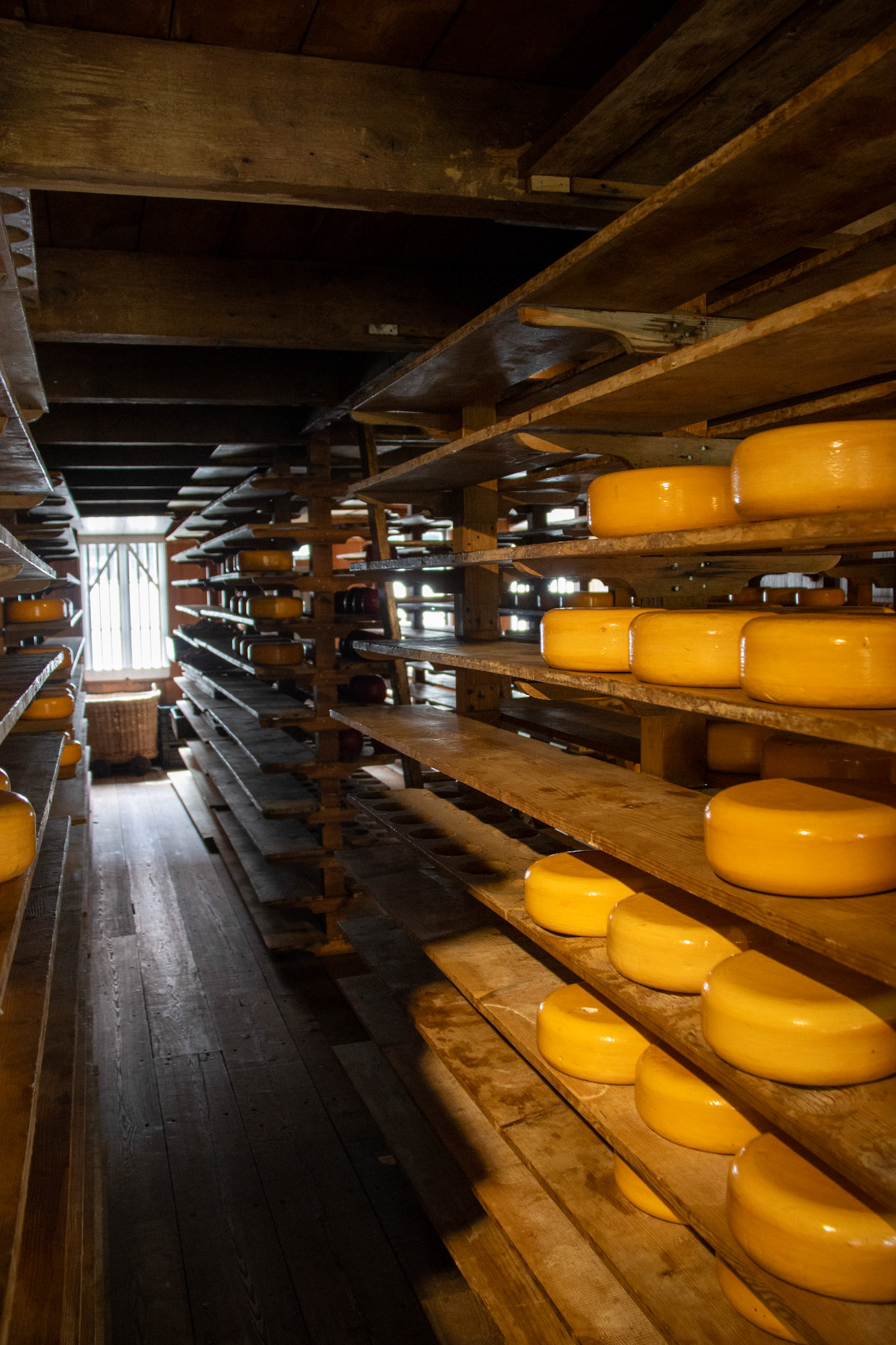
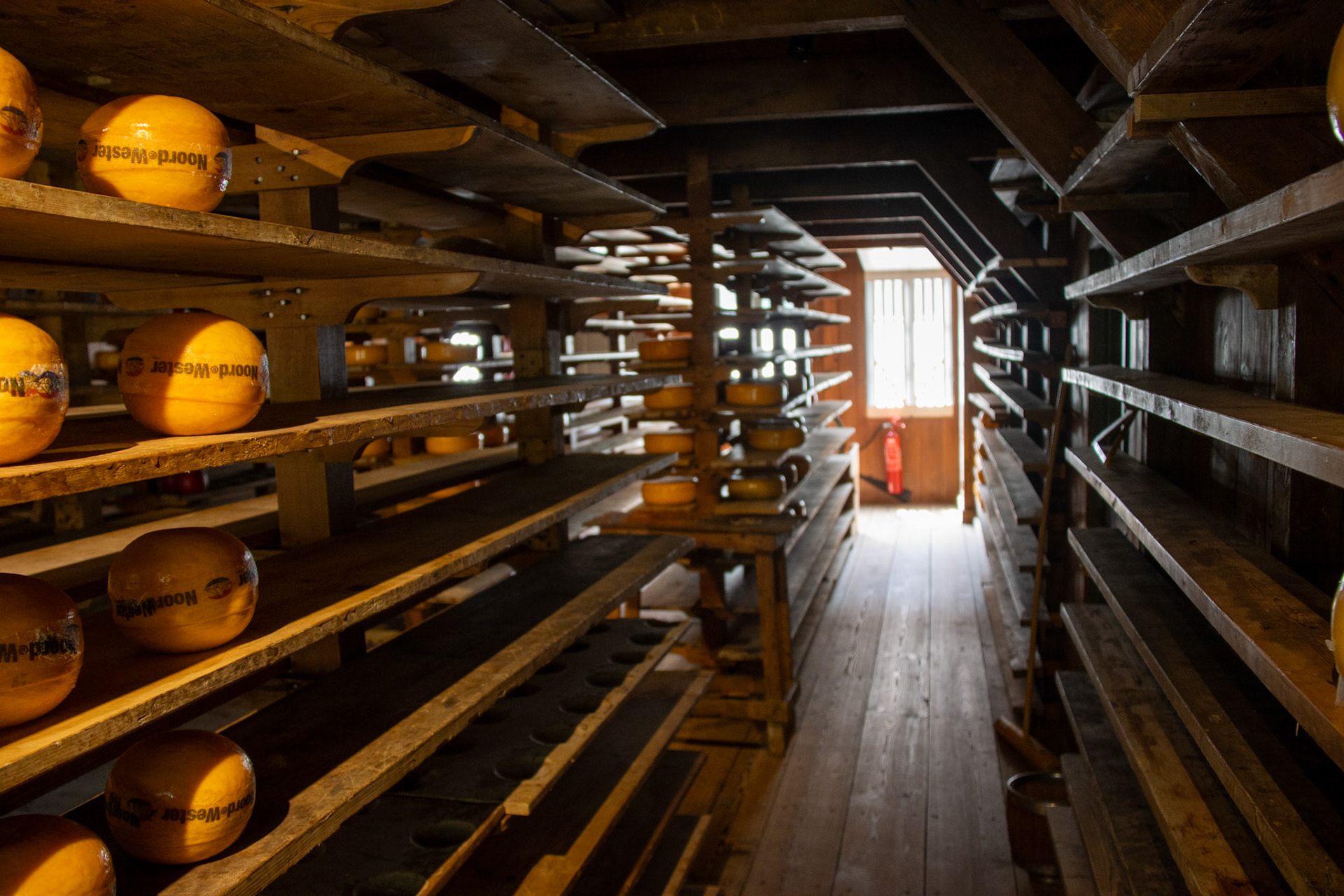
Old cheeses