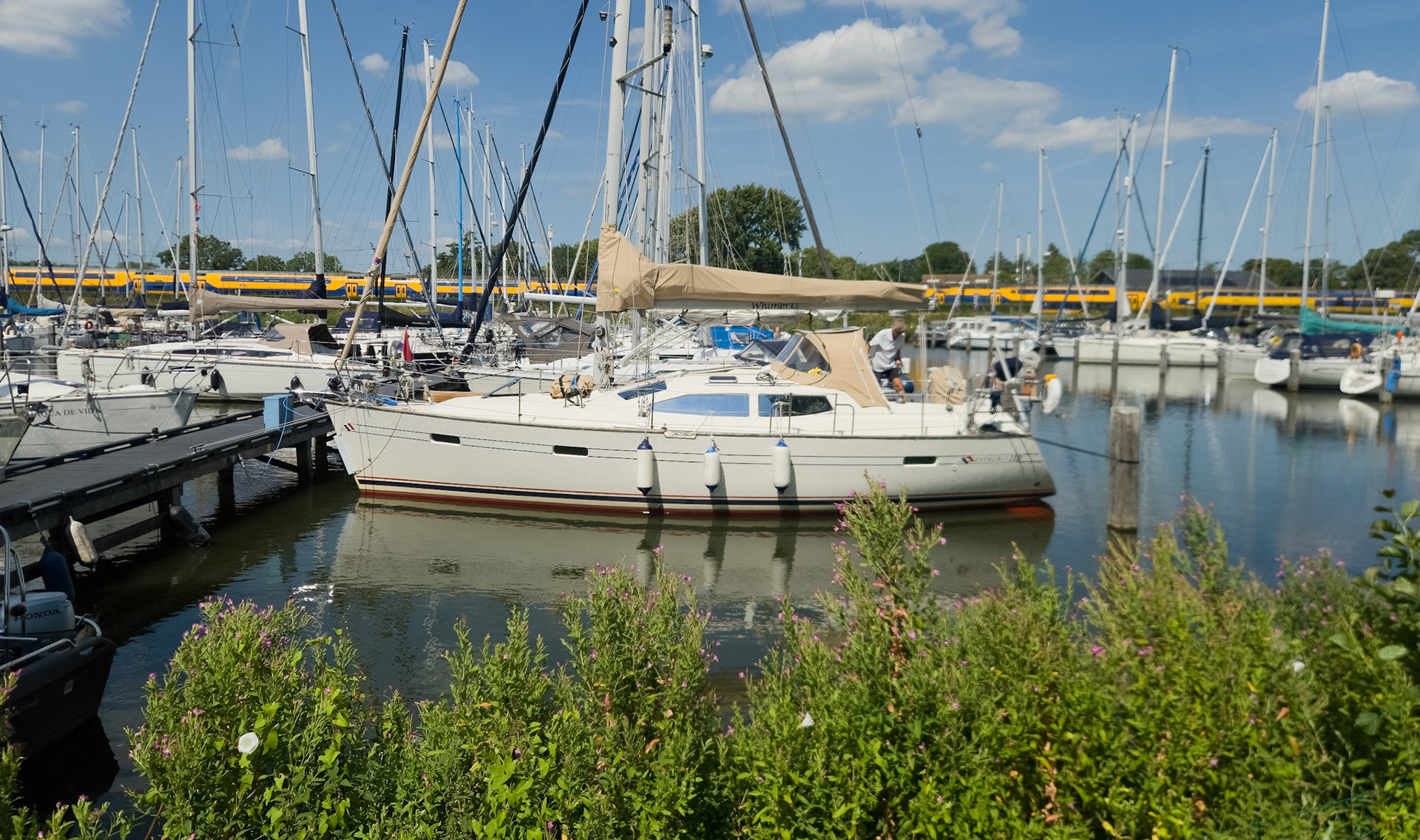
The next stage in our exploration of The Netherlands, took us into the inland waterways of Friesland, an area with a rich and varied heritage that even in the early centuries showed a remarkable independence of spirit and resilience. This might be put down to the fact that many of the Friesians are taller than average…. A phenomenon sometimes attributed to the rich milk, yoghurts and cheeses produce by the Friesian cattle. However….that could just be a myth.
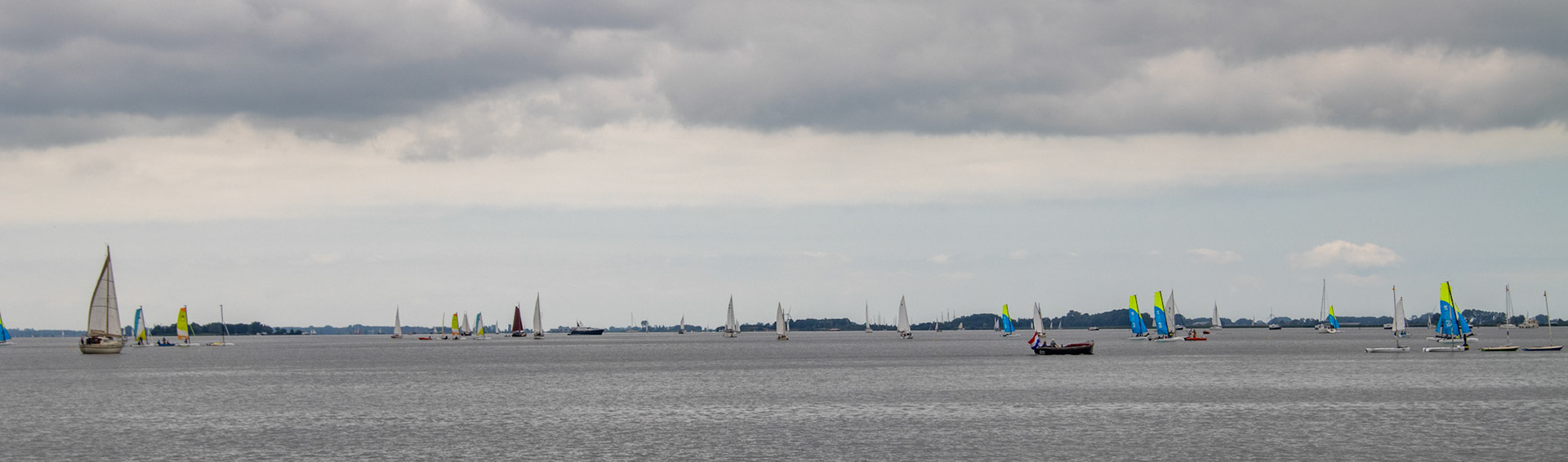
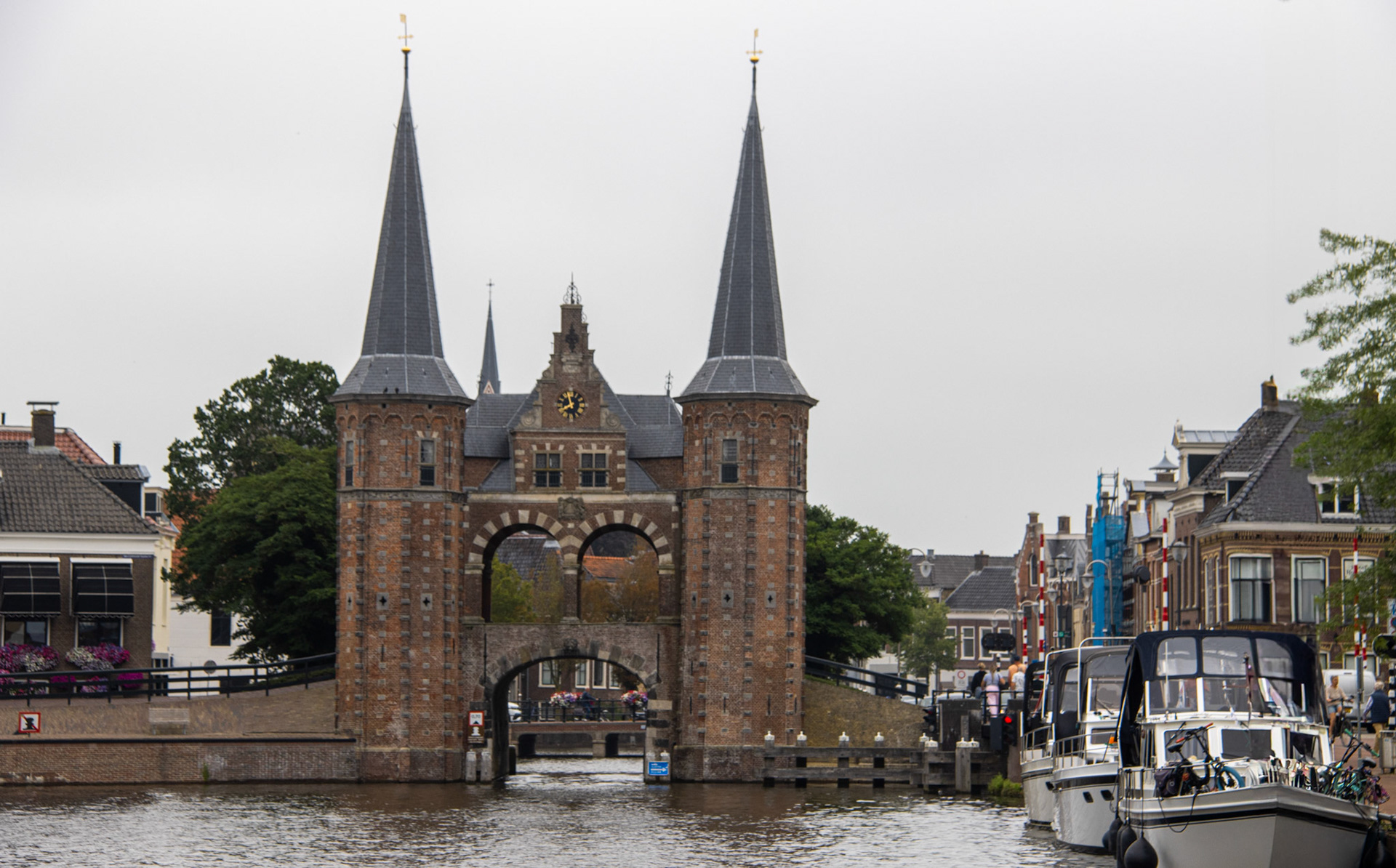
We departed Buyshaven on 8 July and sailed up to Stavoren, one of the entry points with an impressive lock and bridge at its entrance into the lakes. We motored through delightful freshwater lakes and canals and tried drifting at 2knts through a canal but it was just too hot so put on the motor to get some apparent breeze.
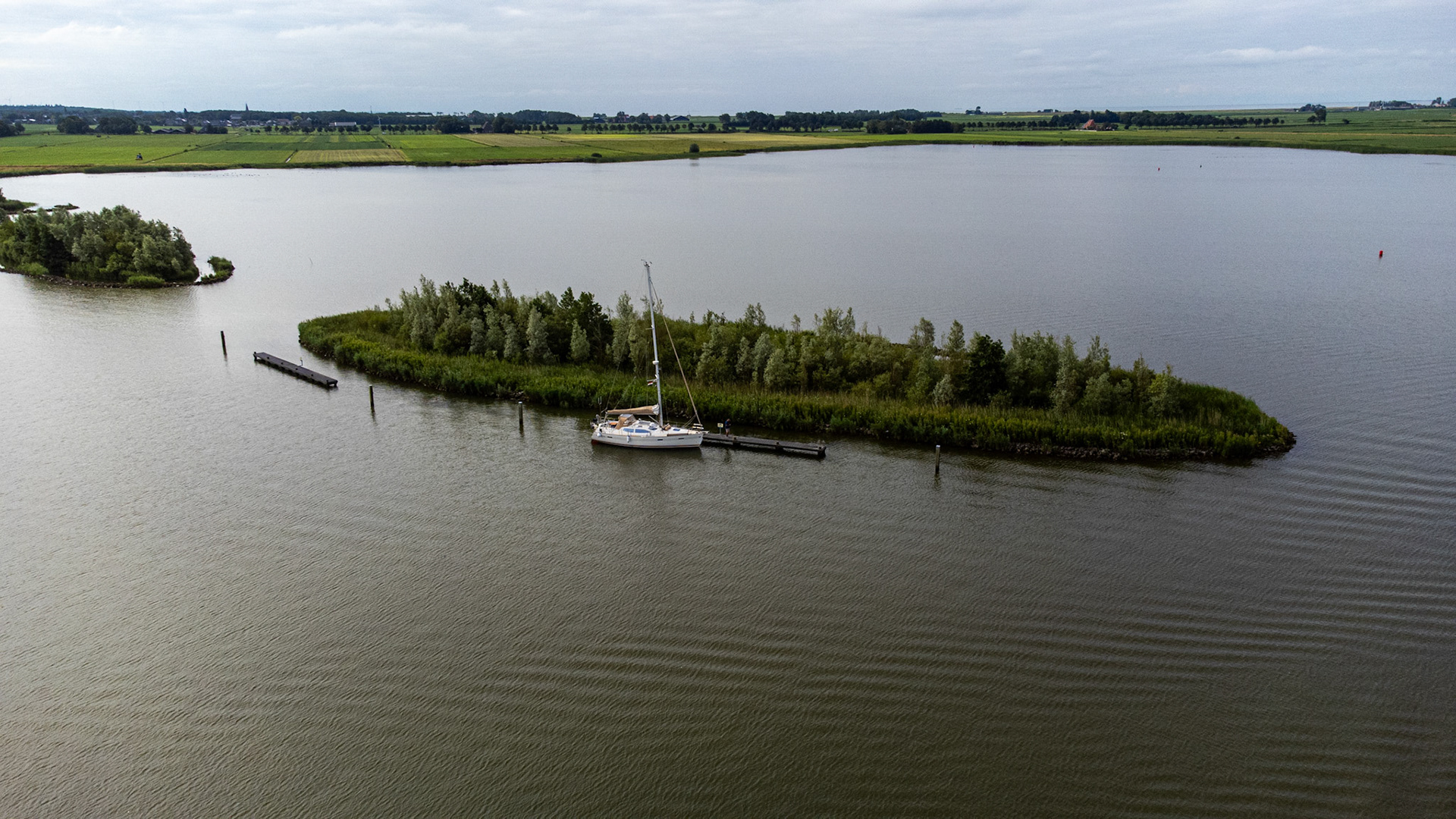
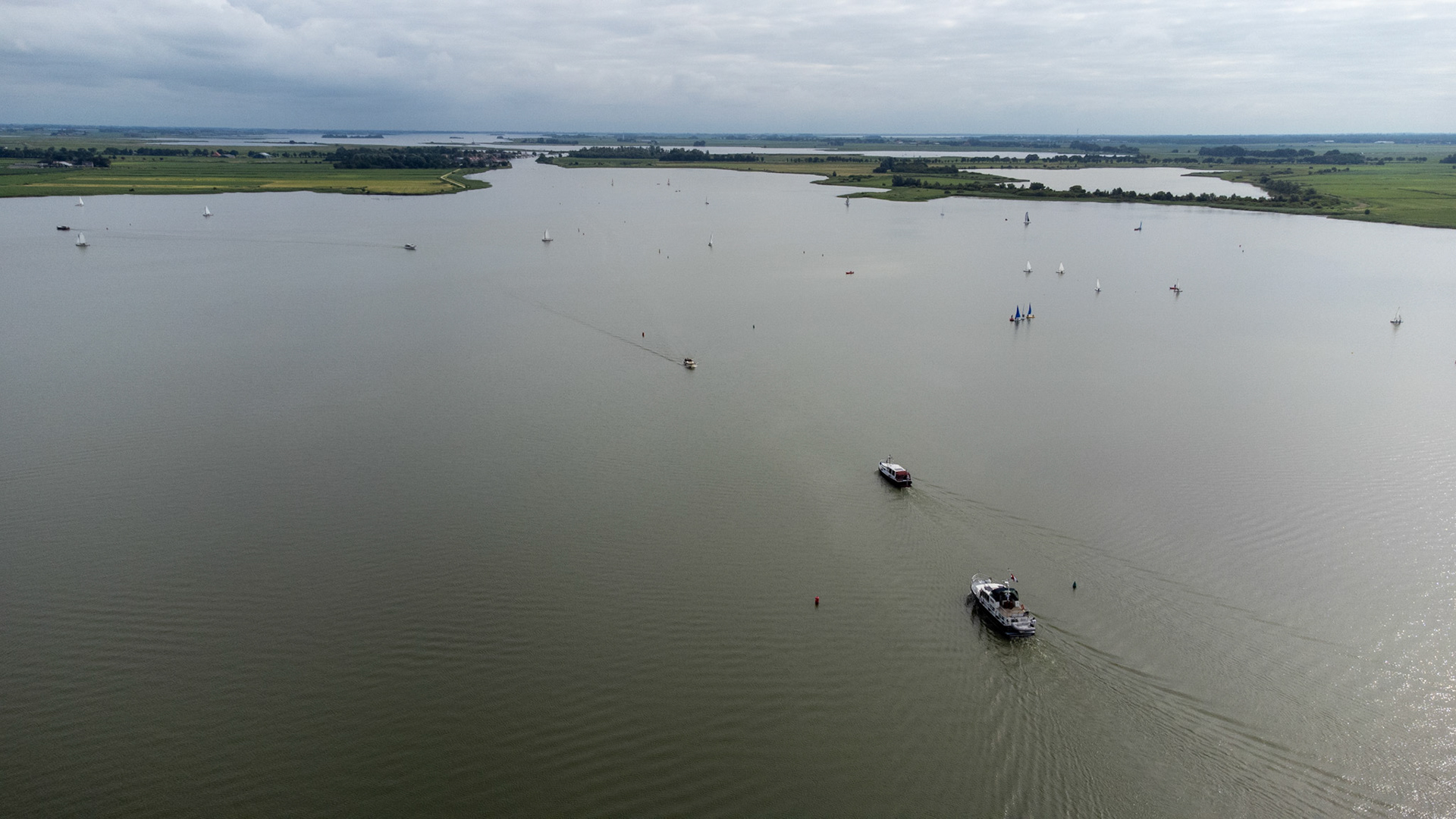
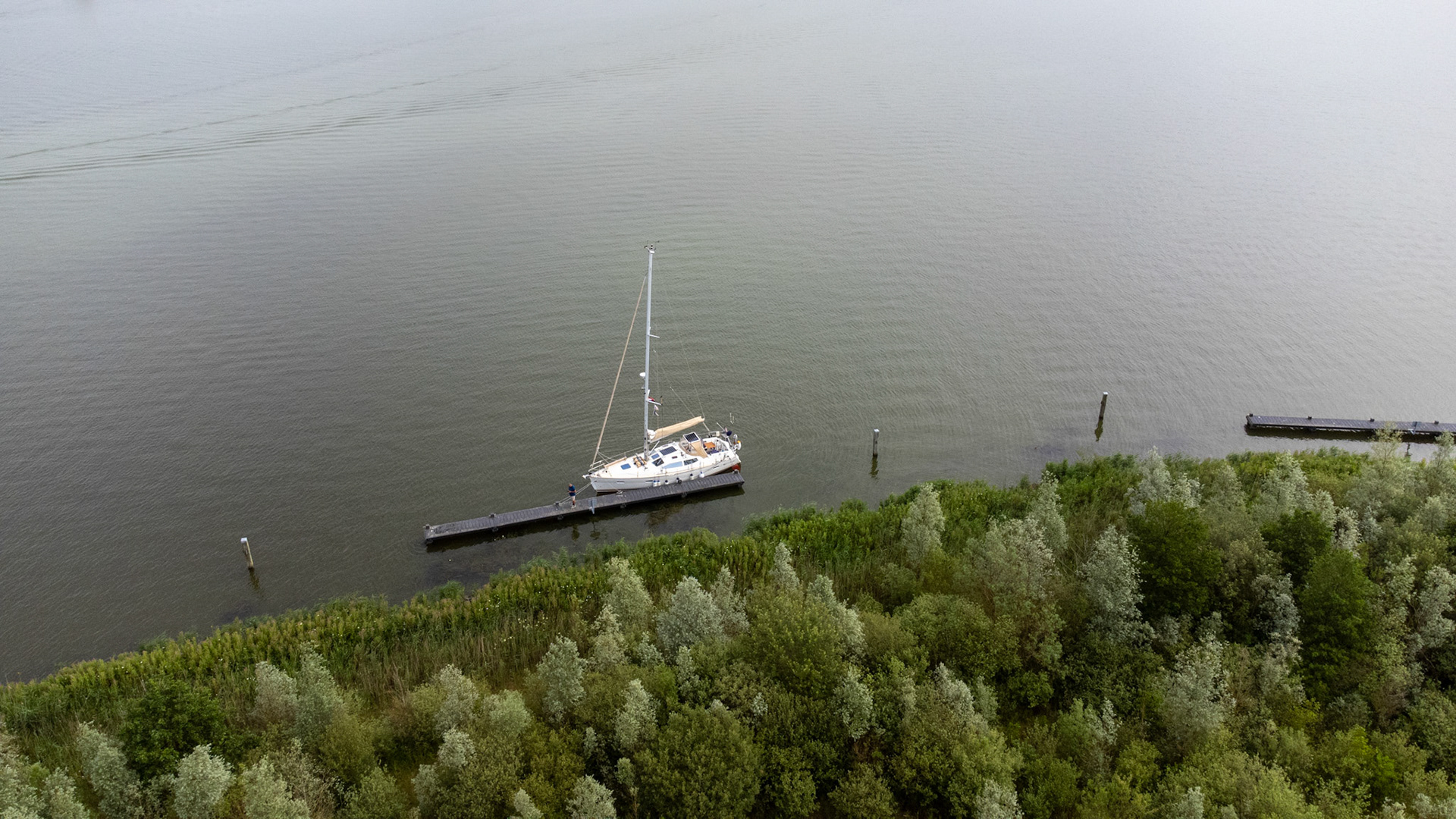
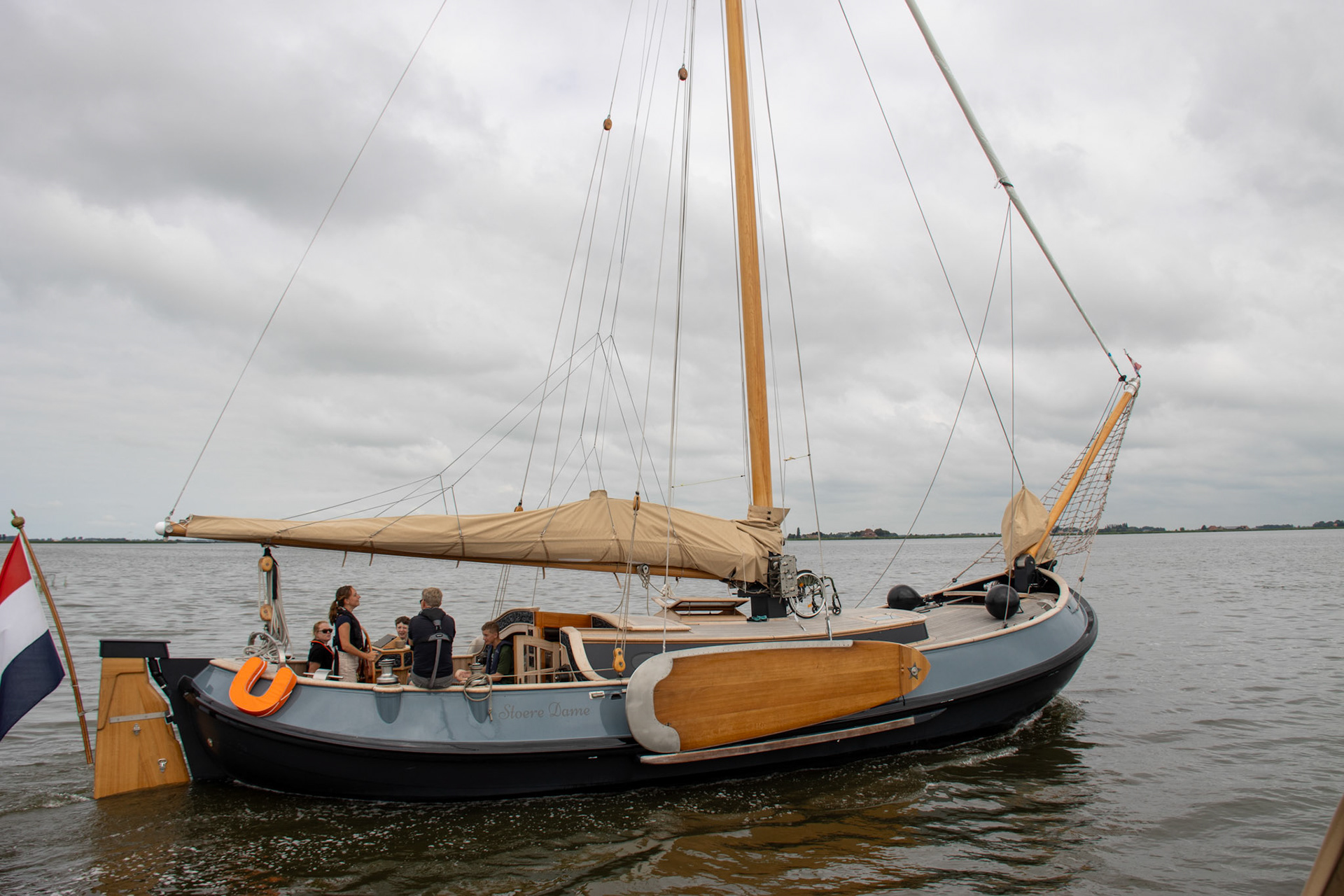
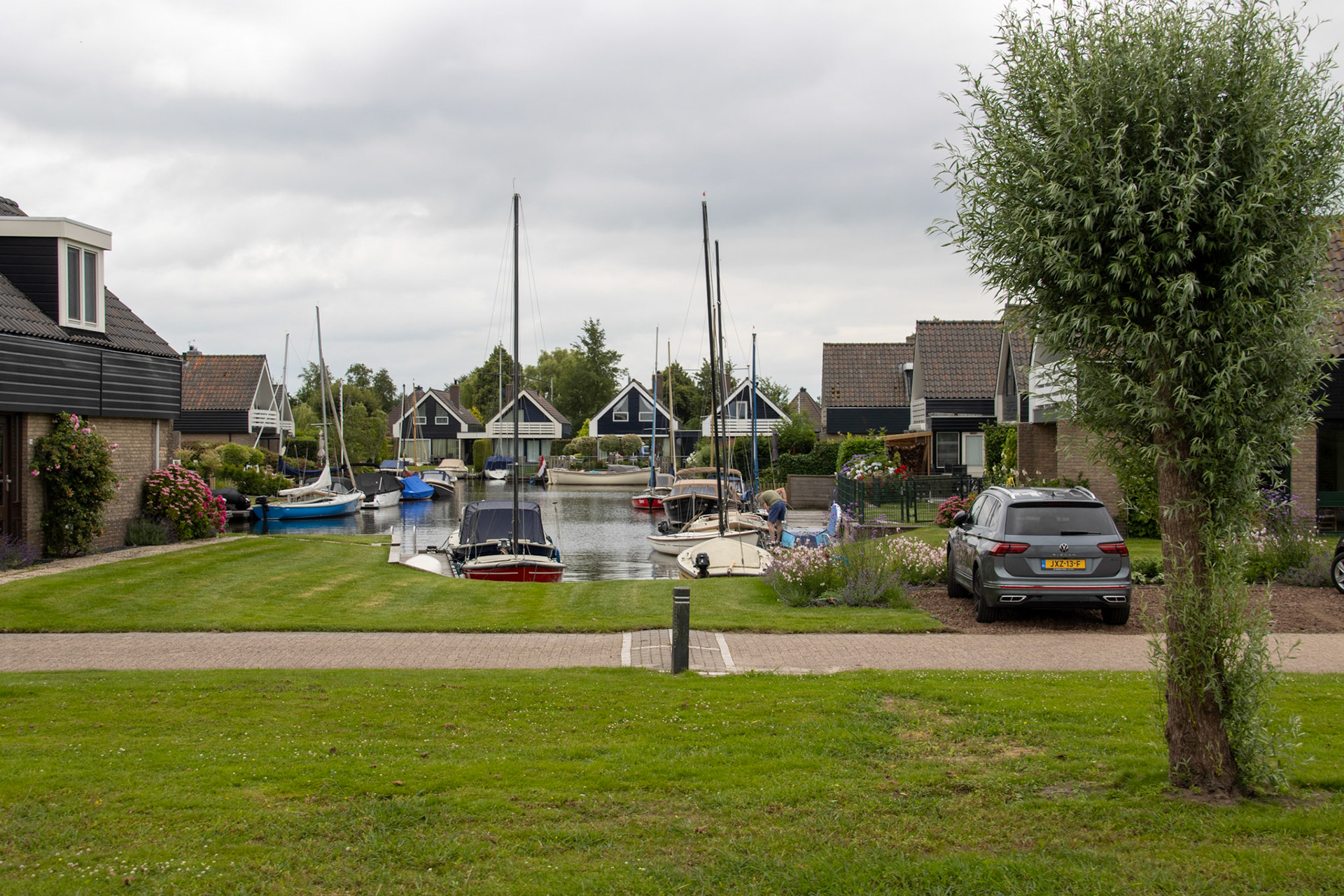
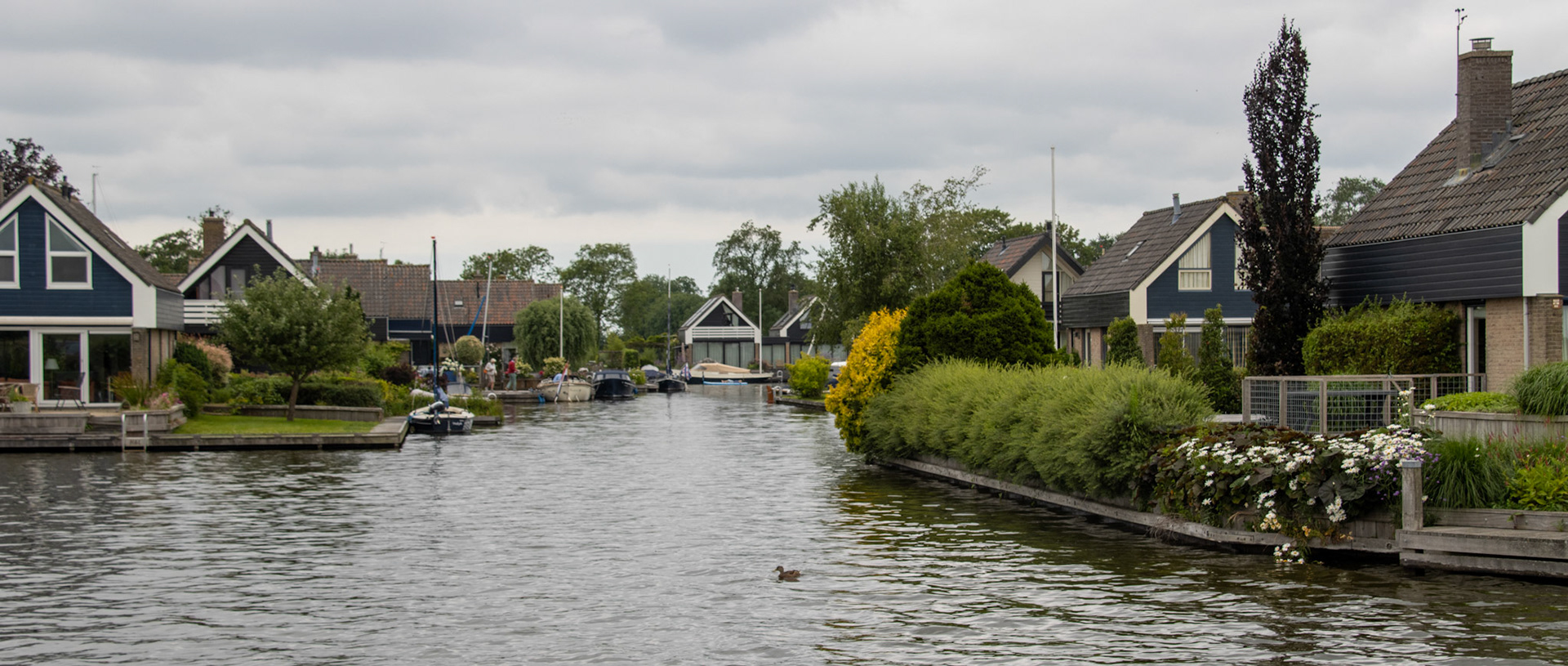
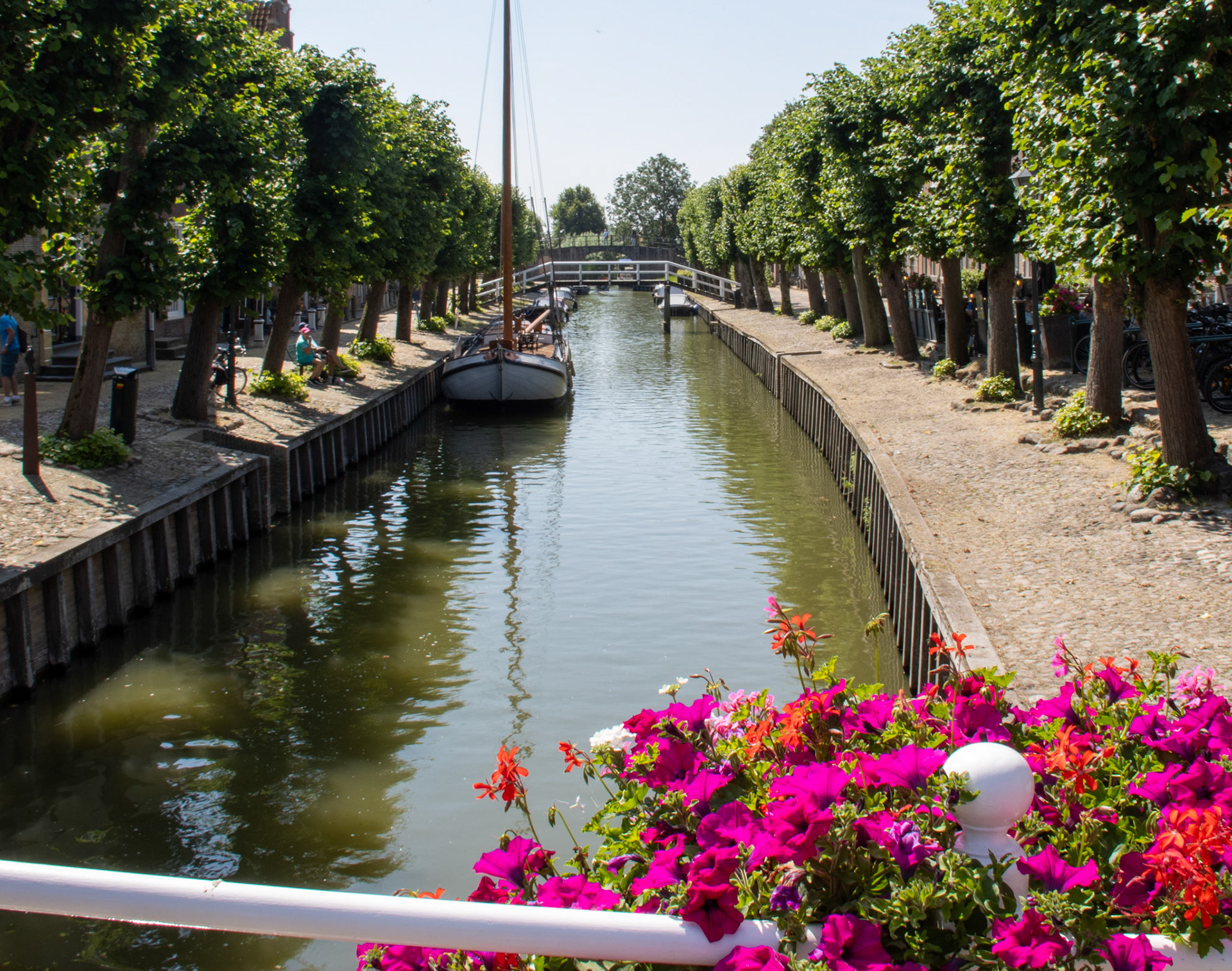
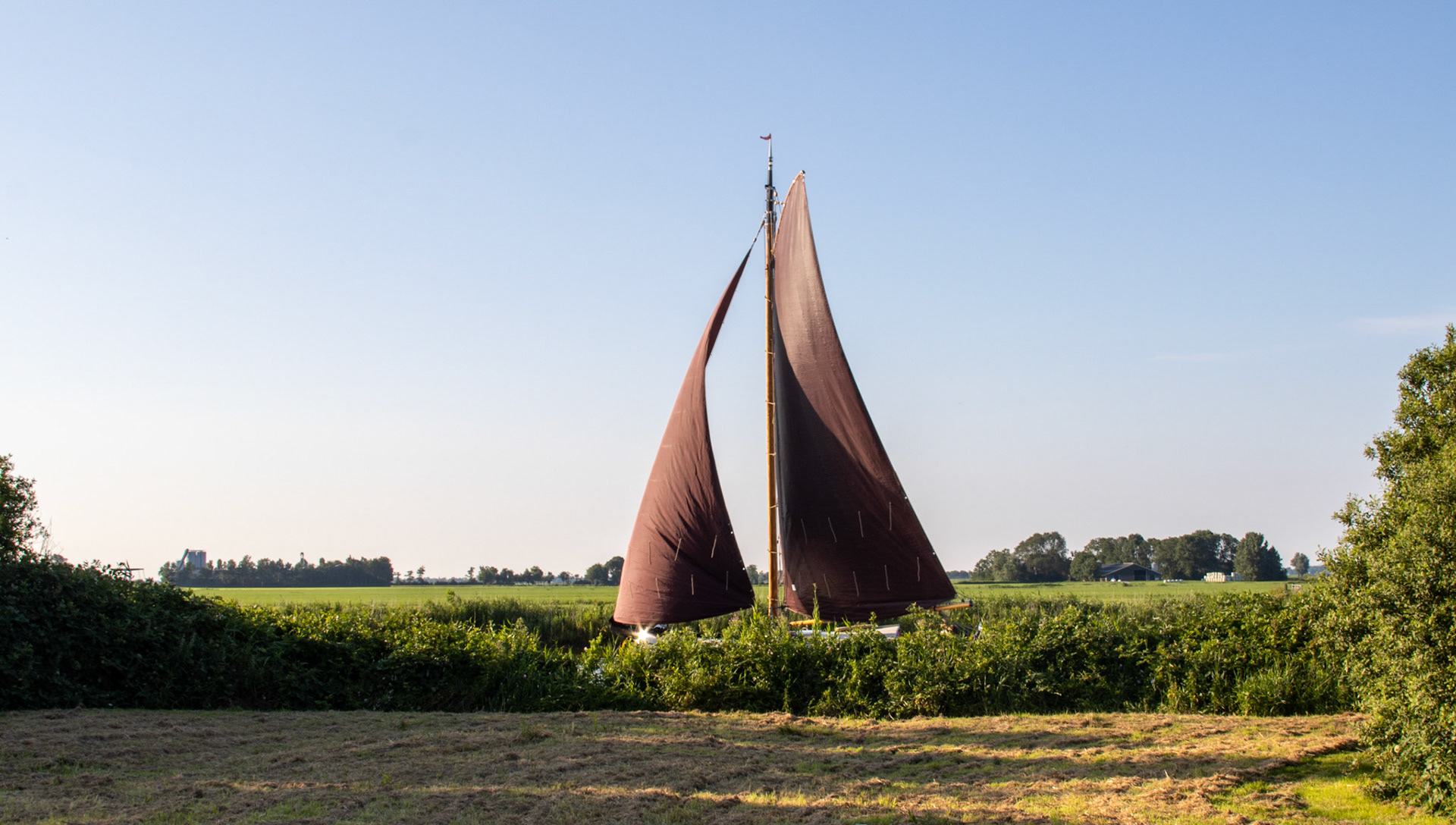
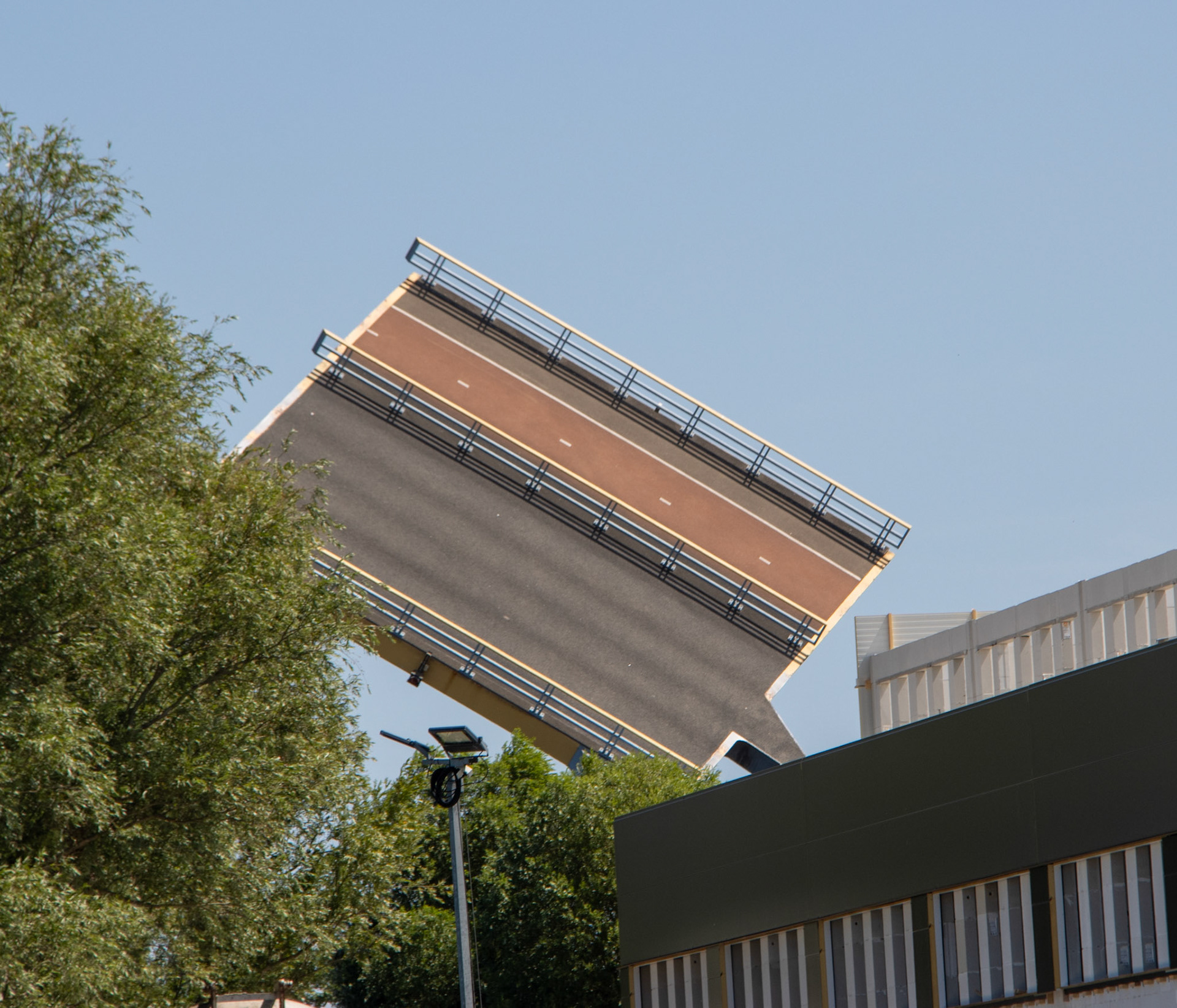
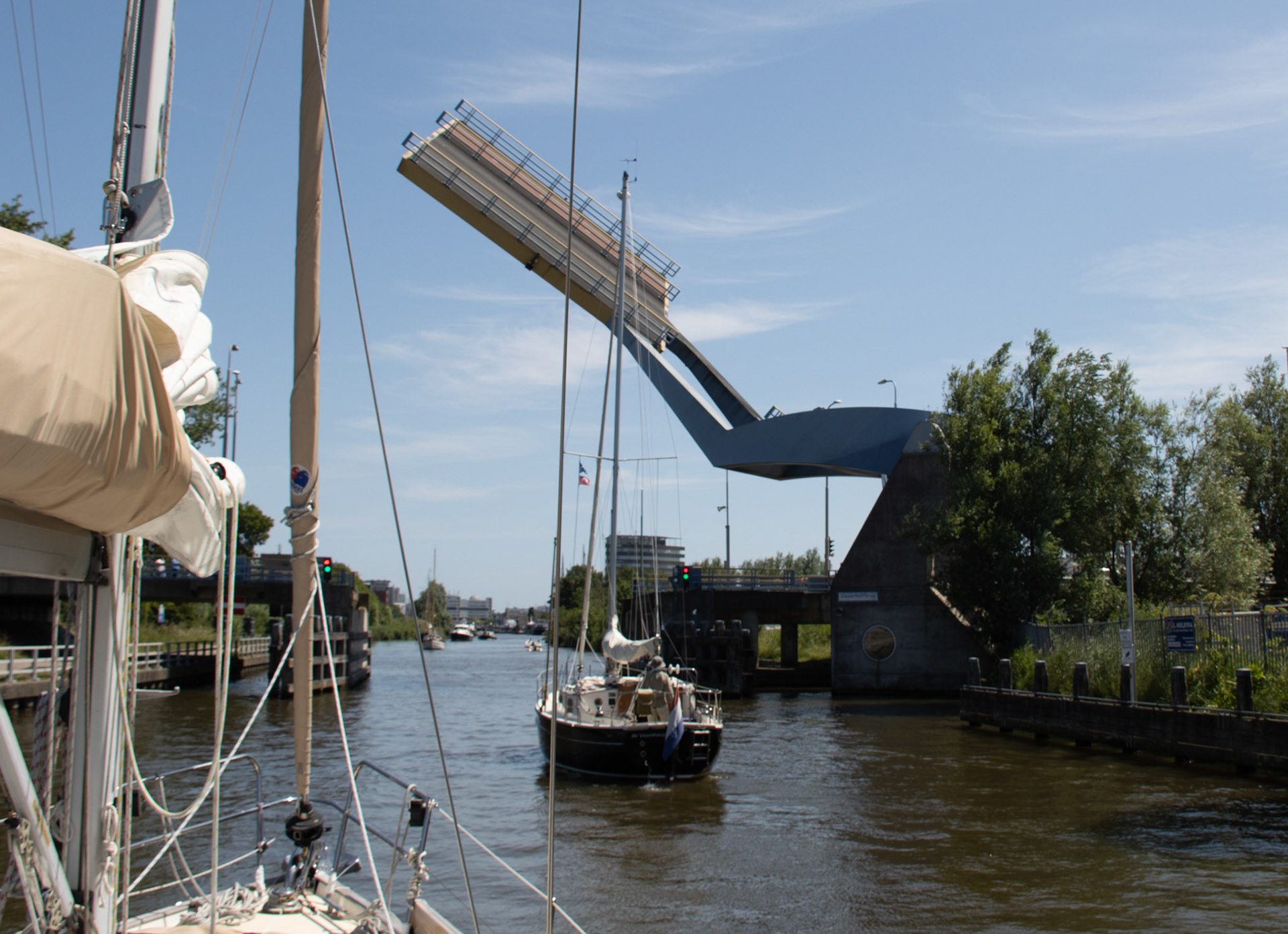
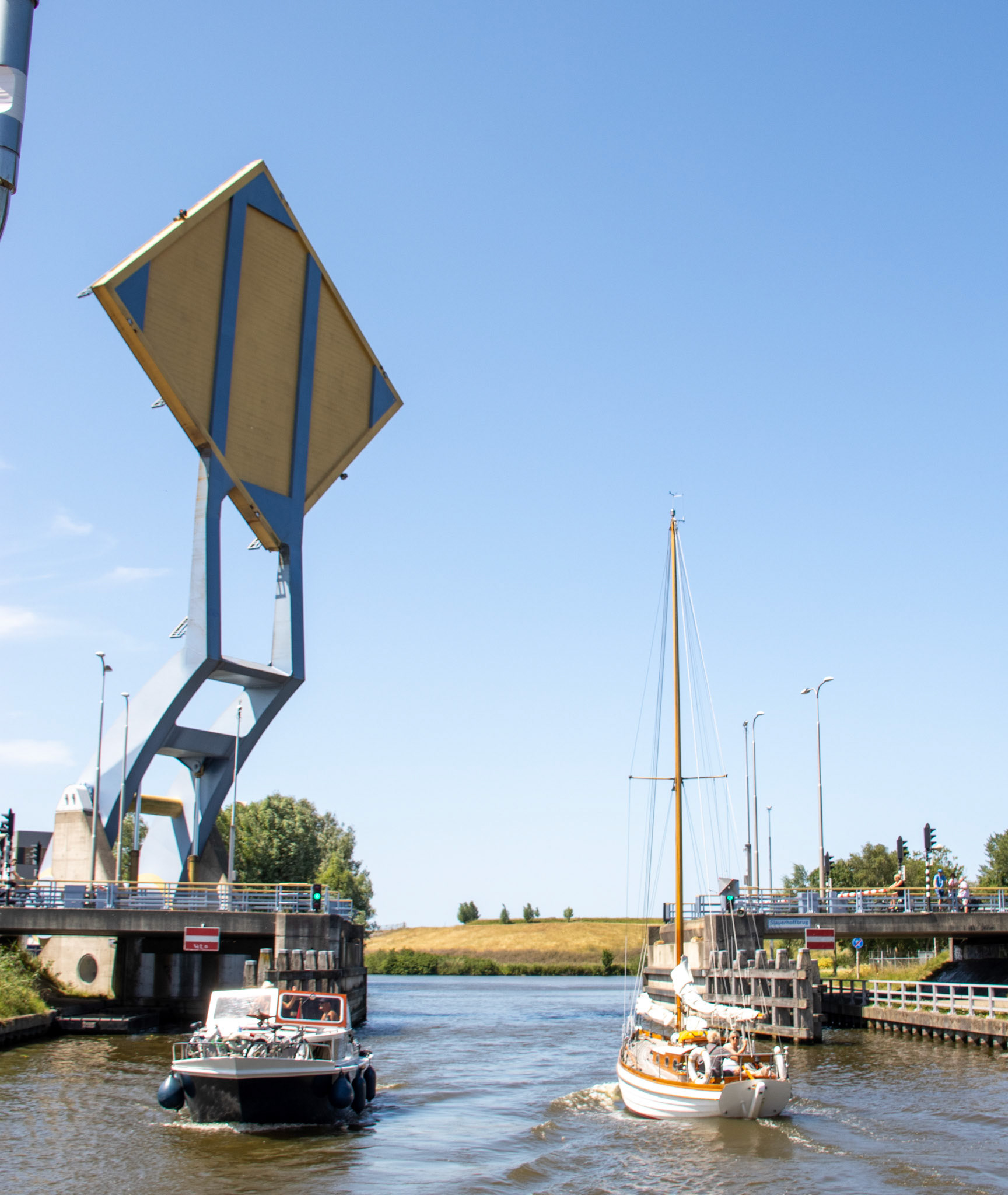
In a delightful little island just north of Ijsle we moored in one of the many free Marrekrite harbours and a delightful Dutch lady came over to explain how this generous system worked. For a fee of 20 euros, for the year, we could stay for up to 3 nights in any of the 3,500 harbours, jetties and alongside pontoons for free in this Lakeland paradise. It is a charity and donations were voluntary but what an amazing concept and generosity to sailors in this area. It is also possible to anchor in many of the wider lakes, just off the main channels. We were spoilt for choice and explored some of the backwater canals with their lifting bridges or swing bridges. We sailed over aqueducts and through railway bridges. We became fairly expert at timing our arrival at the bridges so that we didn’t have to moor up all the time. Our station keeping exercises were good fun.
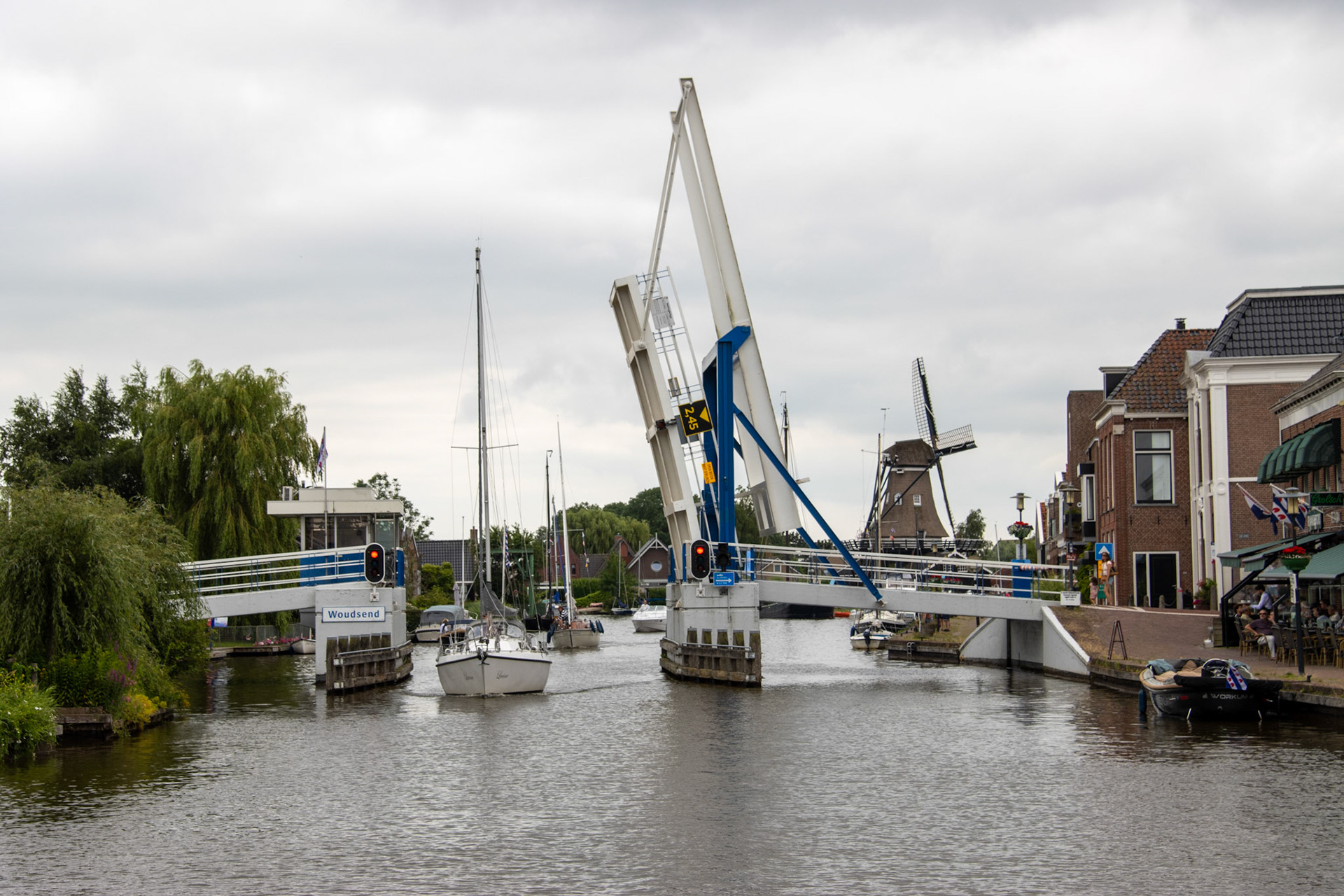
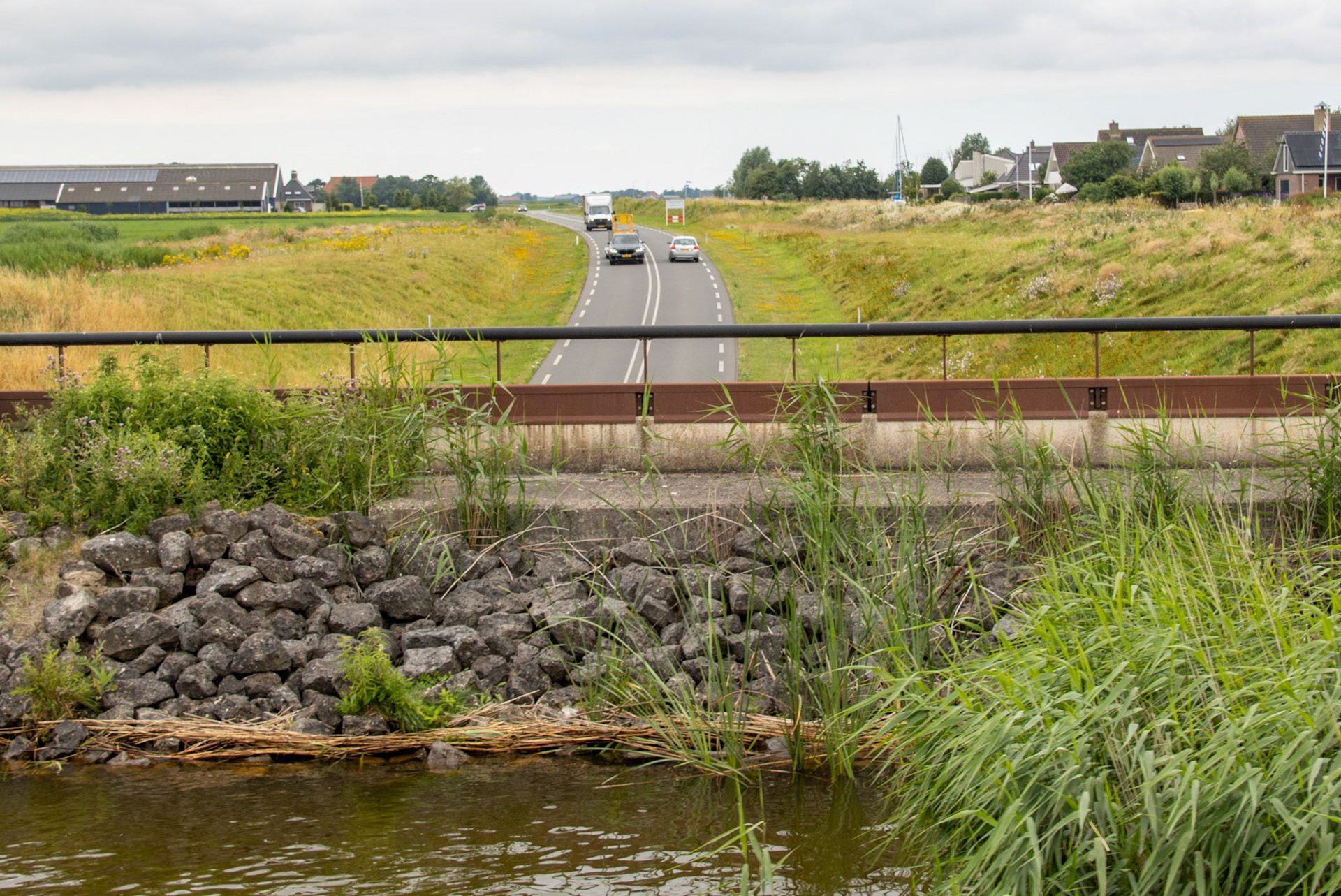
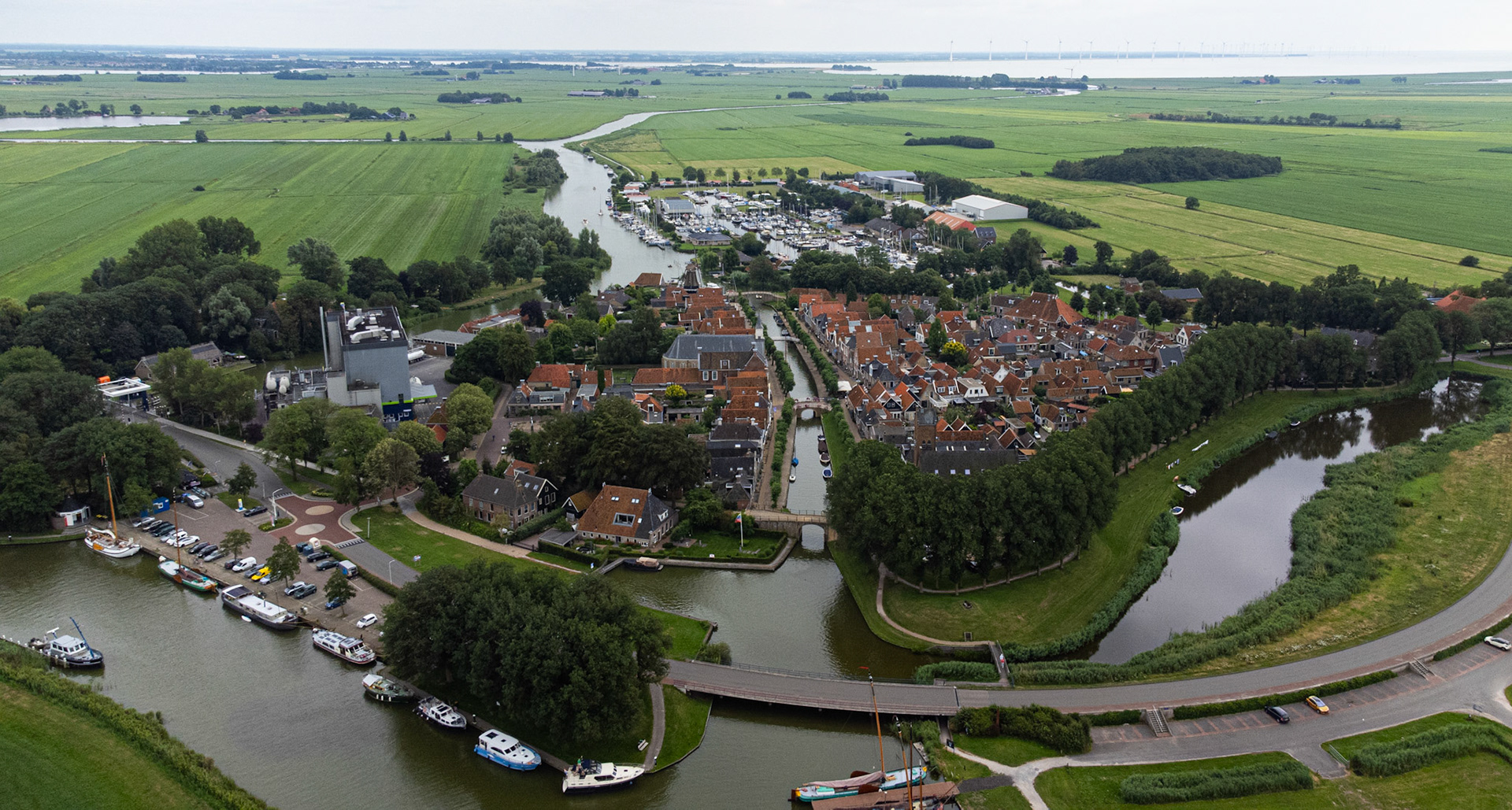
Sloten
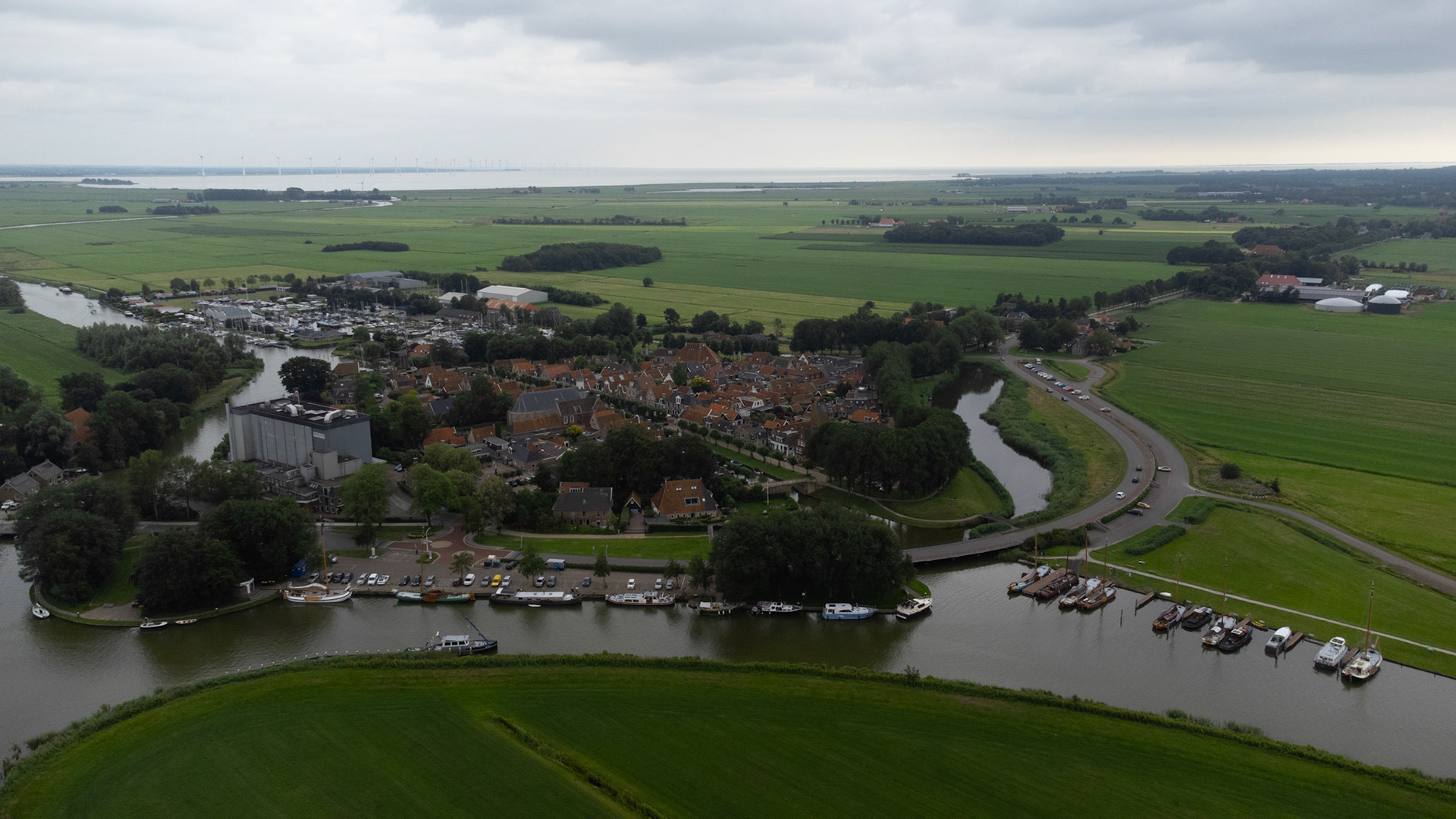
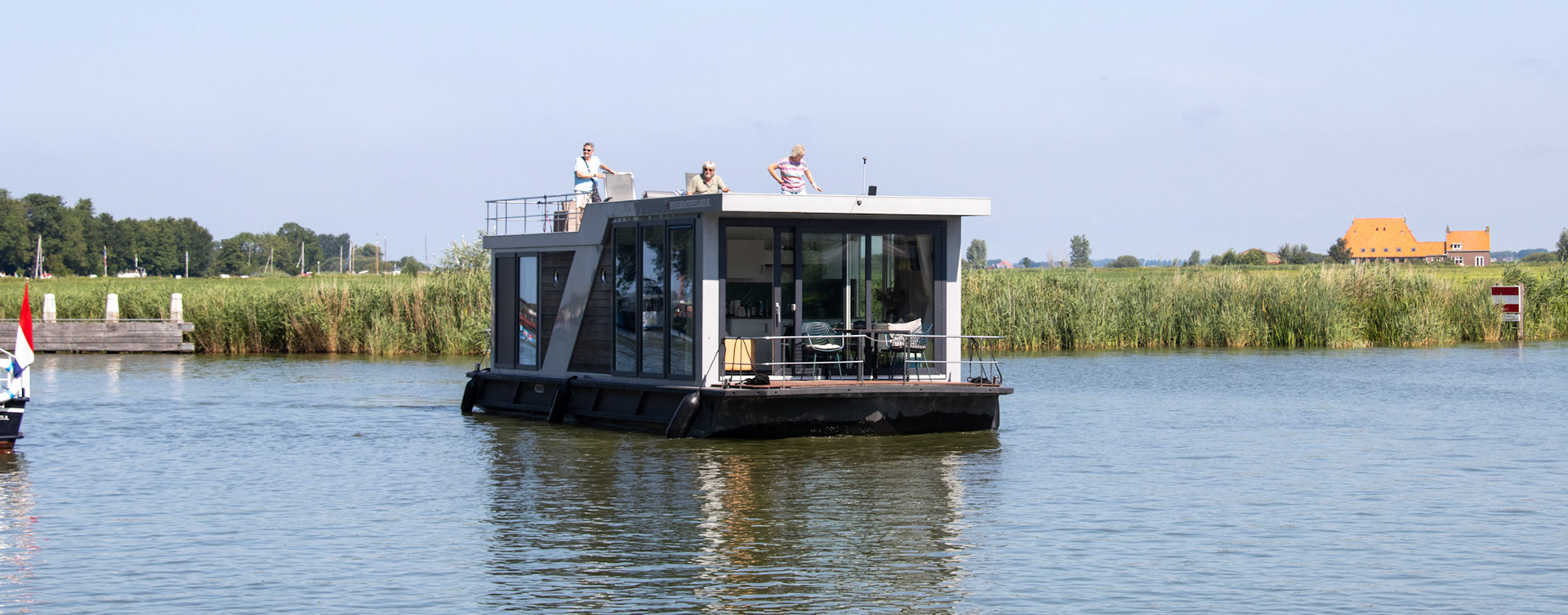
Take your house with you
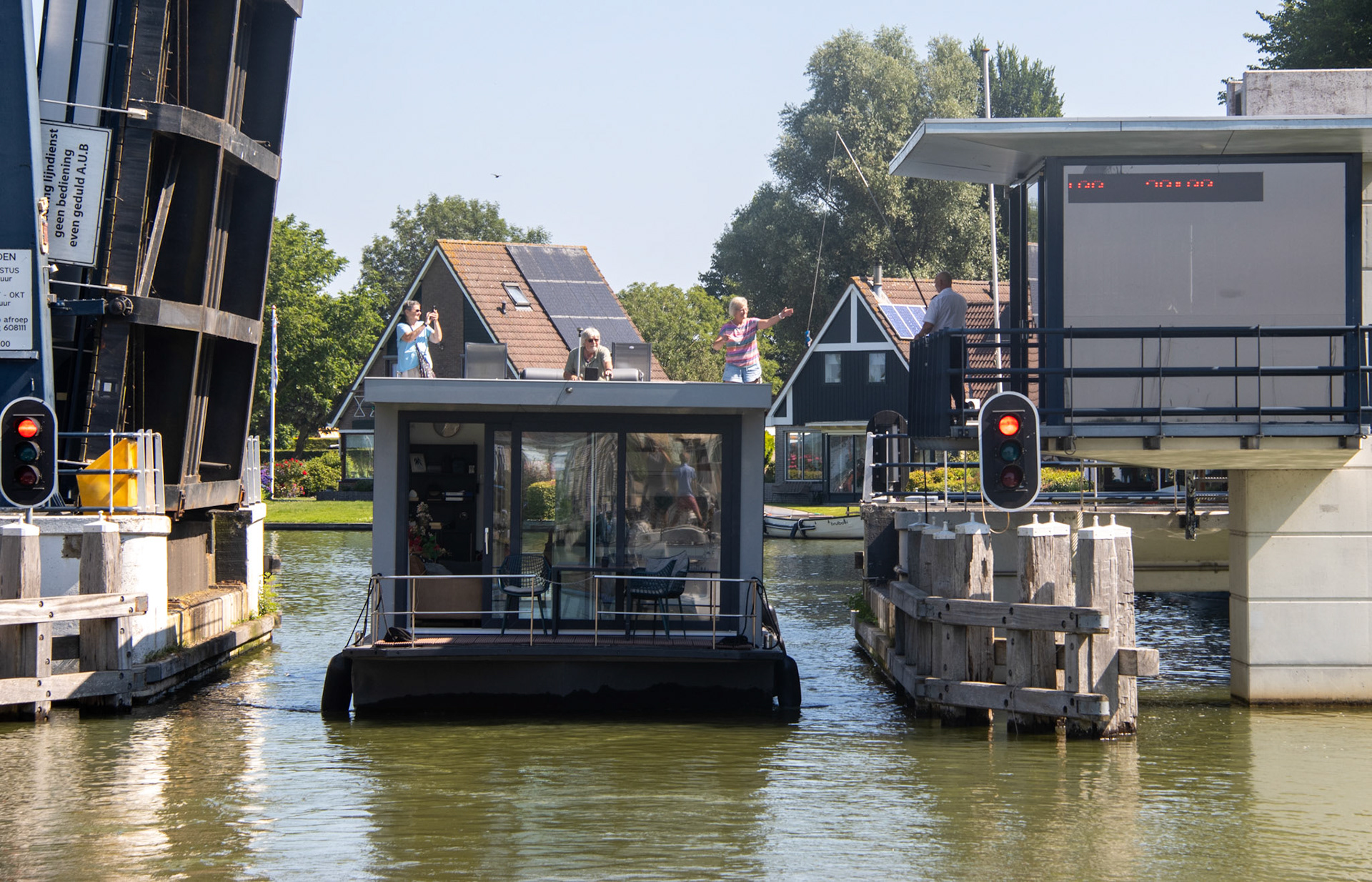
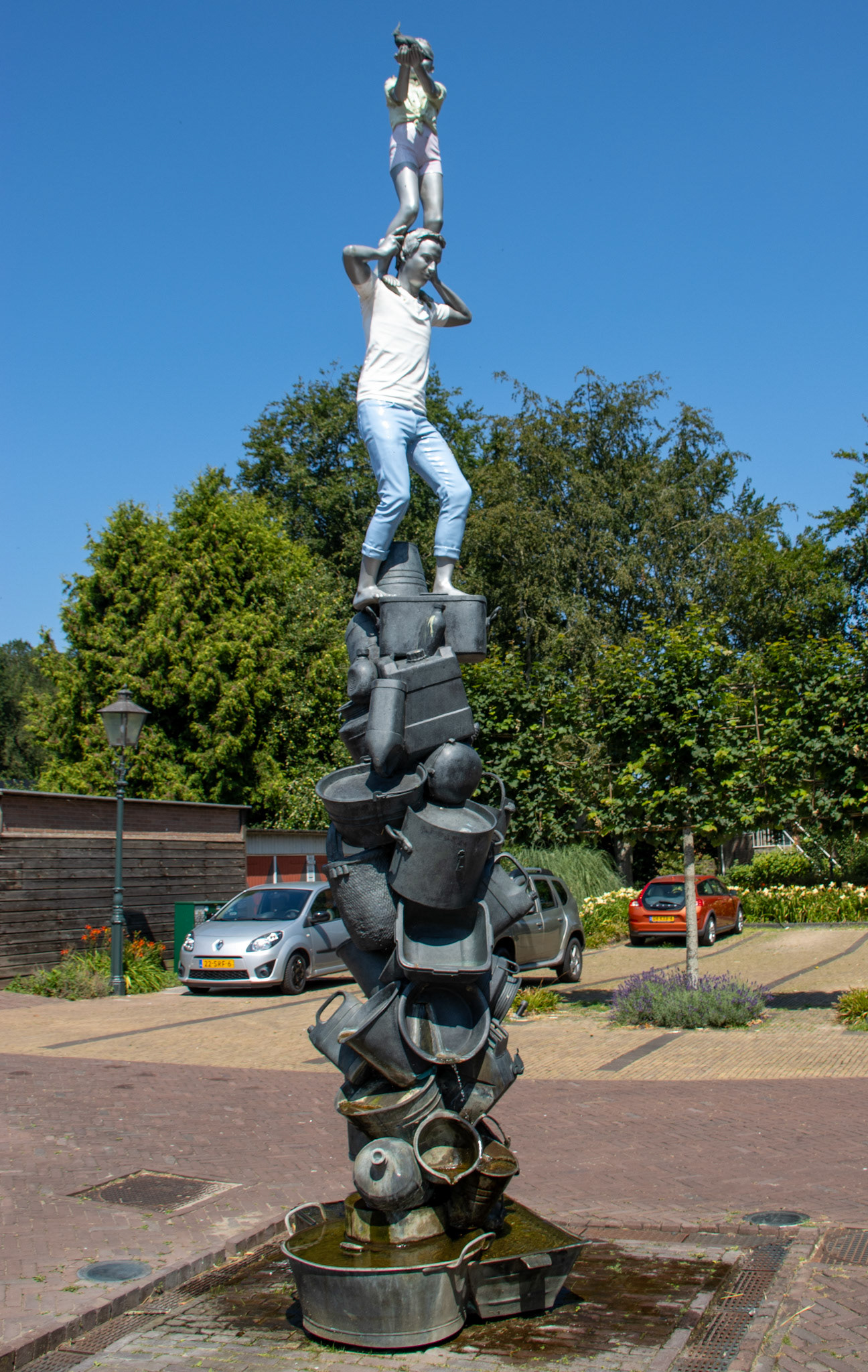
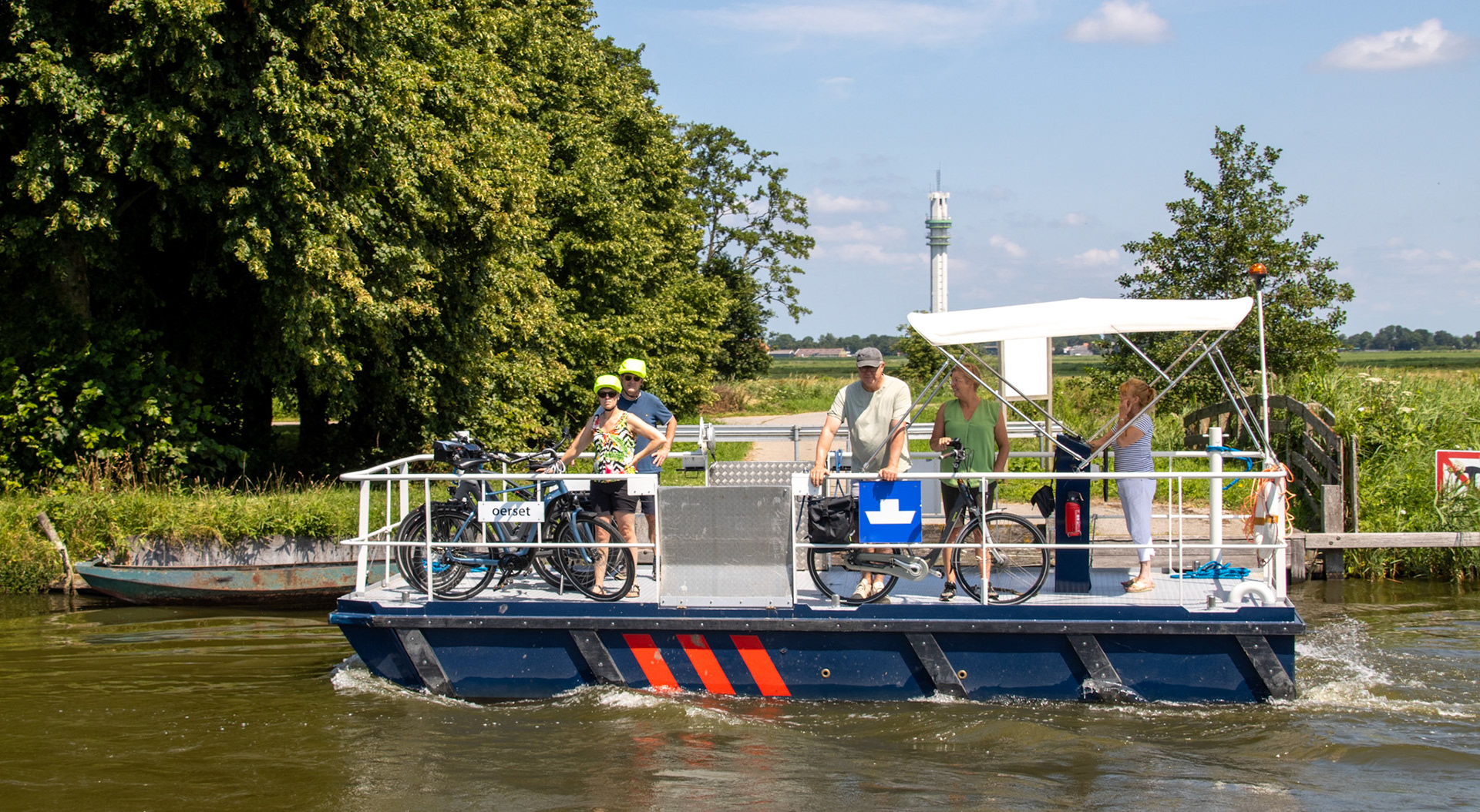
pay your bridge toll by clog
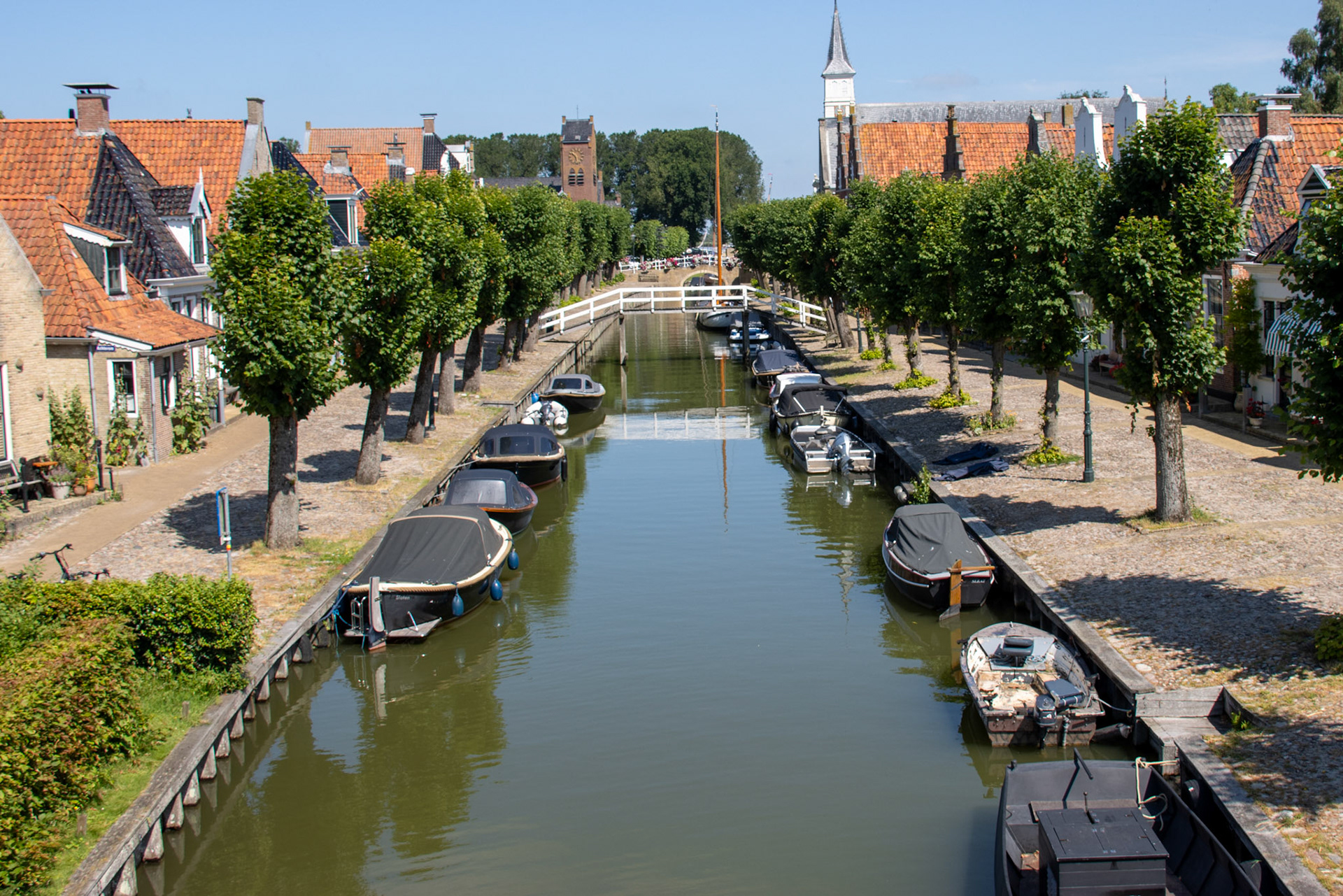
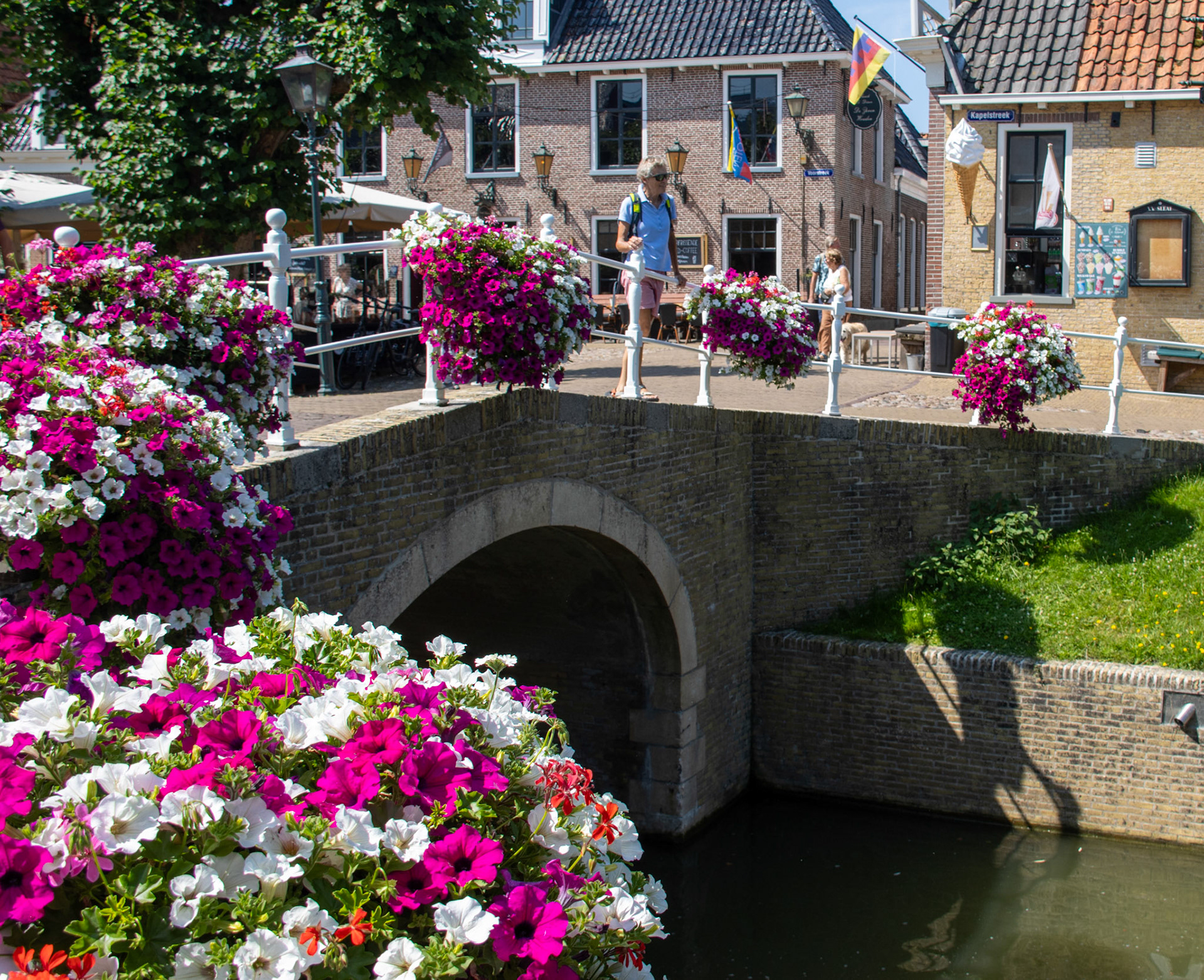
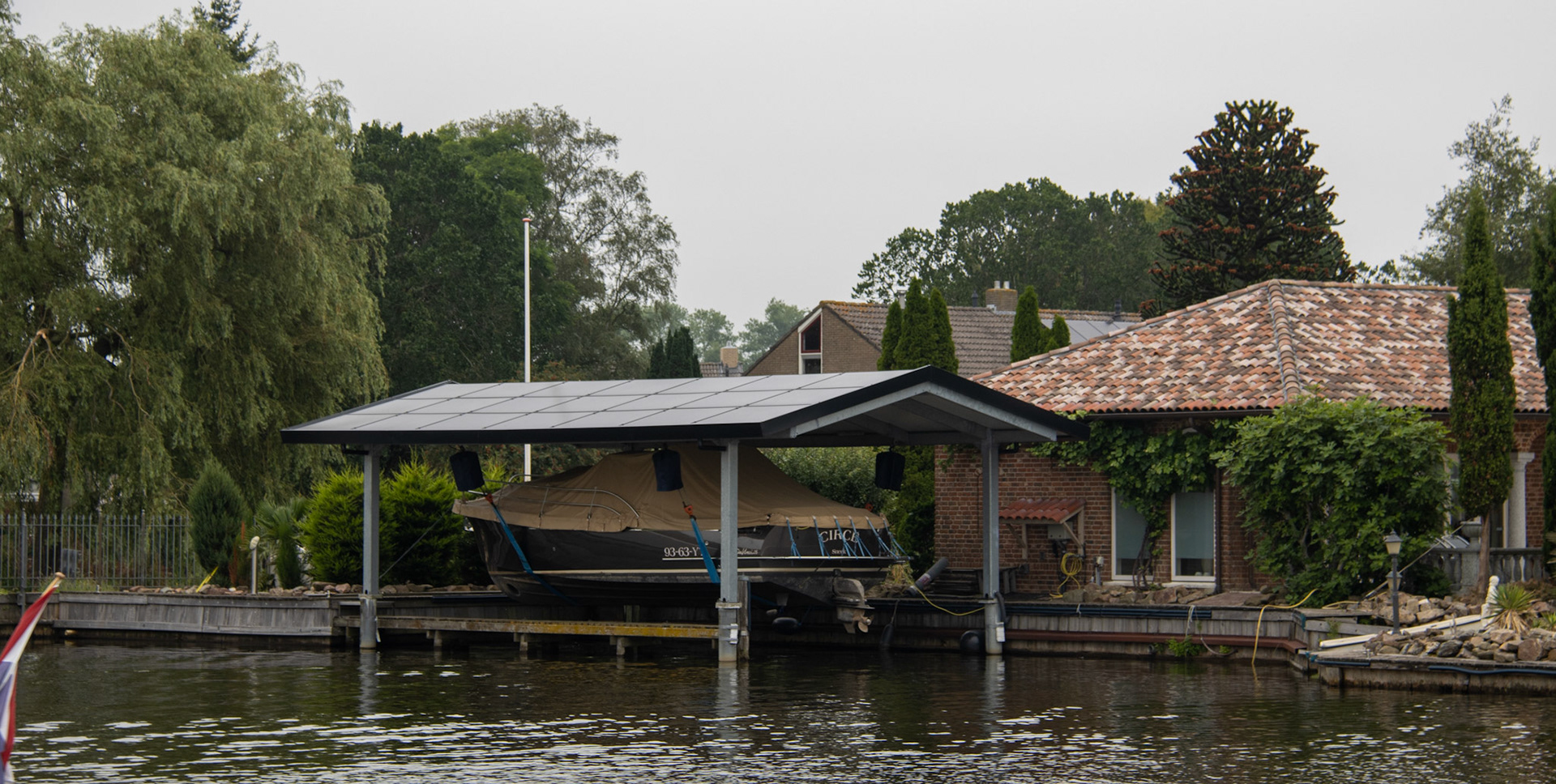
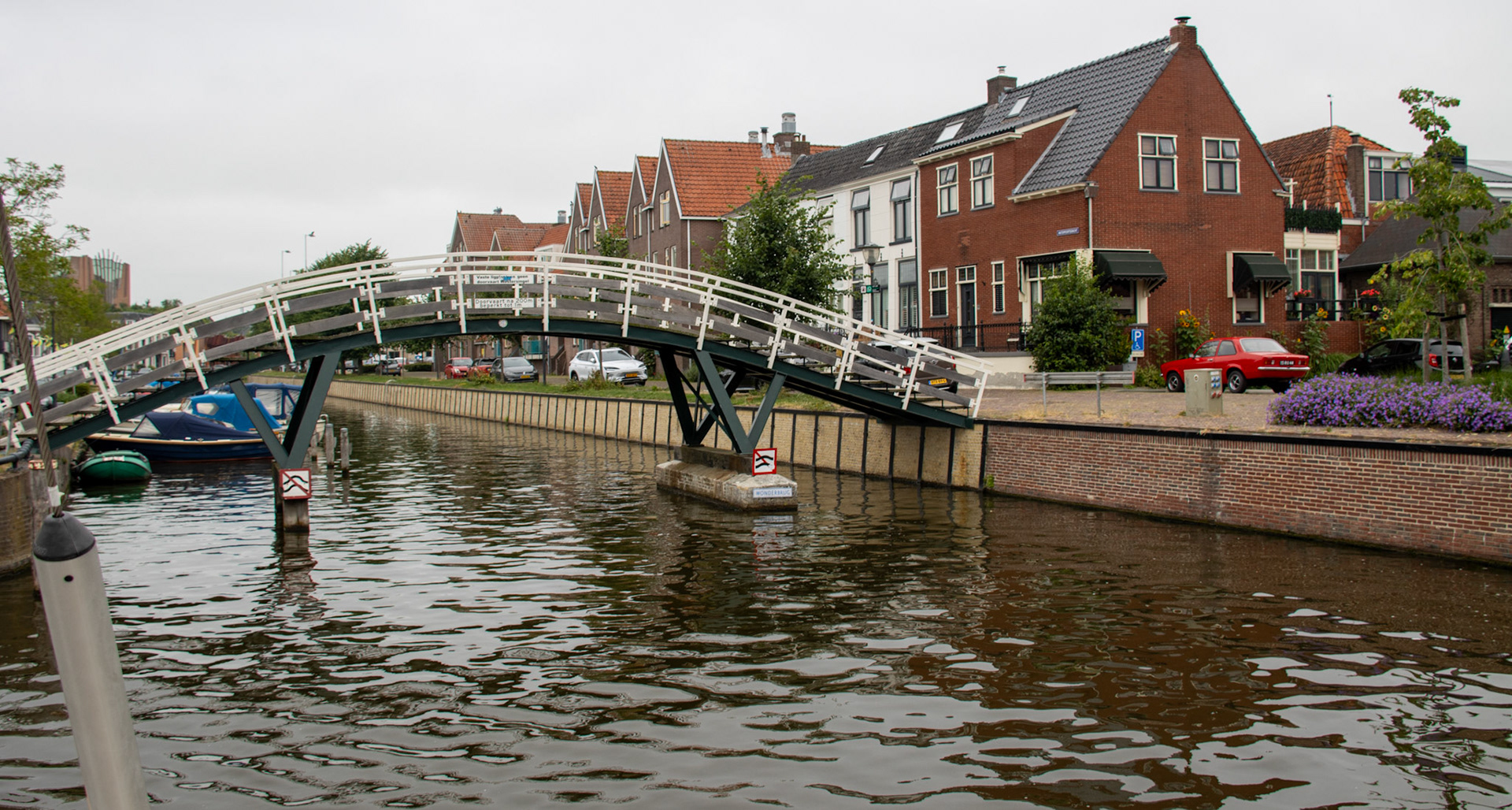
we cannot fit through that!
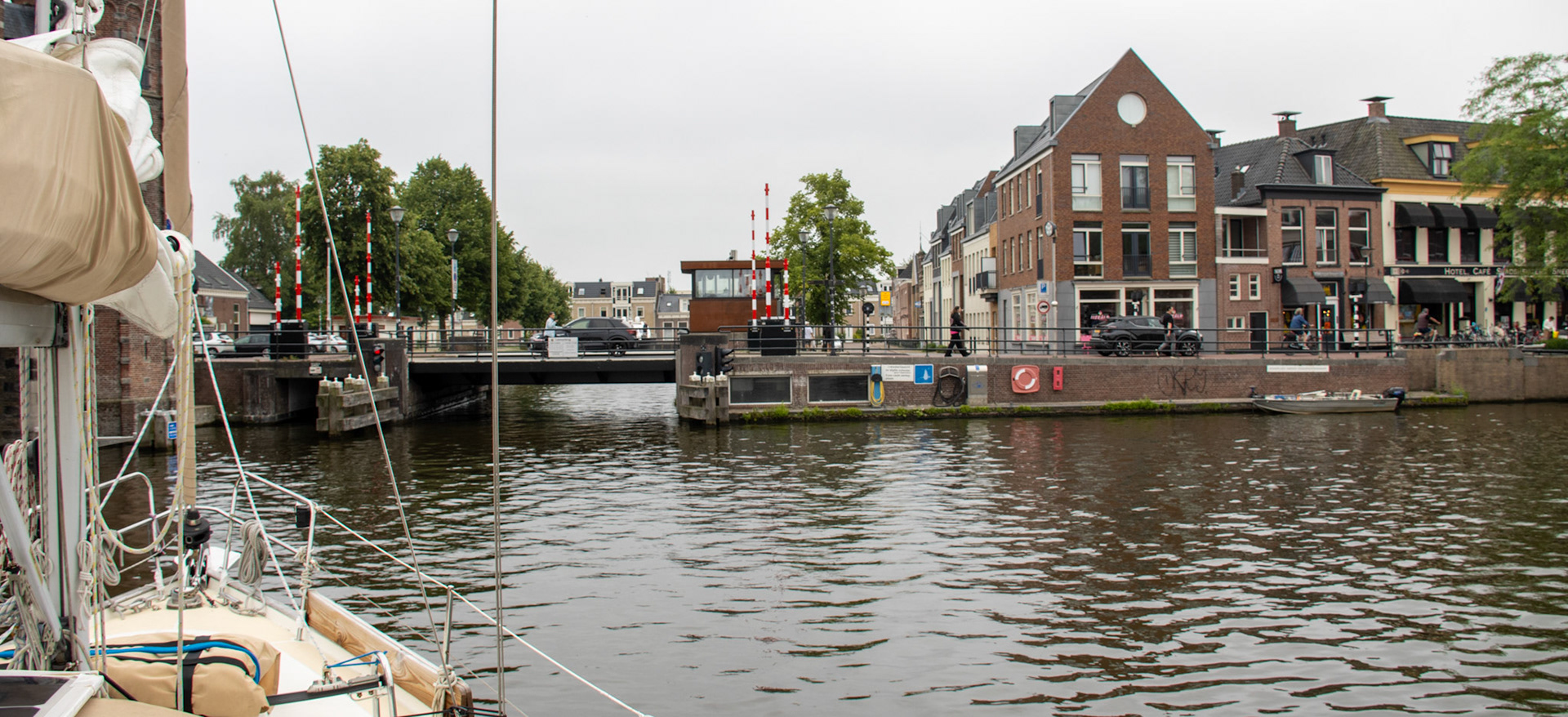
sharp turn right
different
We stopped off in Leeuwarden for a couple of nights taking great care to park between the overhanging trees in the historic Prinsentuin. This beautiful park right in the centre of the capital of Friesland was originally part of the defence walls before and during the Dutch wars of Independence. (ending in 1648). When this became superfluous they were turned into gardens for the ruling Nassau family but in 1814 the garden was given back to the public by King William I.
We then motored up to the Harlingen Yacht Club for the night, at the entrance to this rather imposing dam. It was a lovely quiet place just outside the hustle and bustle of the main marinas in Harlingen and we enjoyed our stay. Topping up our food and alcohol stores at the ubiquitous Albert Heijn we negotiated our way through this huge lock into the Wadden Zee. Suddenly we were negotiating tides, shifting sands and tiny but well marked channels.
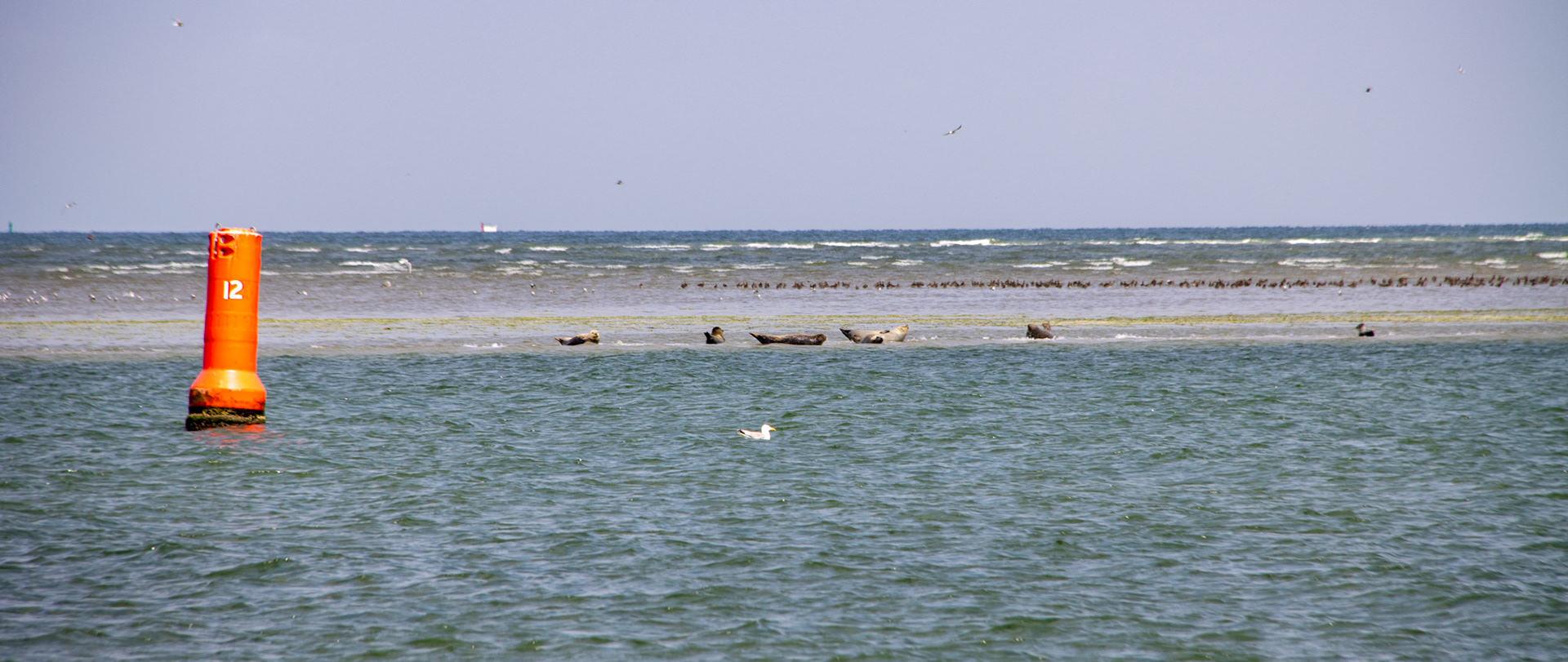
Between Den Helder in the Netherlands and Esbjerg in Denmark lies an ecosystem unlike any other in the world. The Wadden Sea is a UNESCO World Heritage Site comprising the largest system of intertidal mud flats in the world. It’s an incredibly diverse region that is ruled by the tides. Roughly 50 islands are dotted throughout the shallow Wadden Sea. It is thought that the island chain represents the remains of a glacially formed sandbank, and may have once been the former coastline of the Netherlands, before it was breached and flooded to form the Wadden Sea many thousands of years ago.
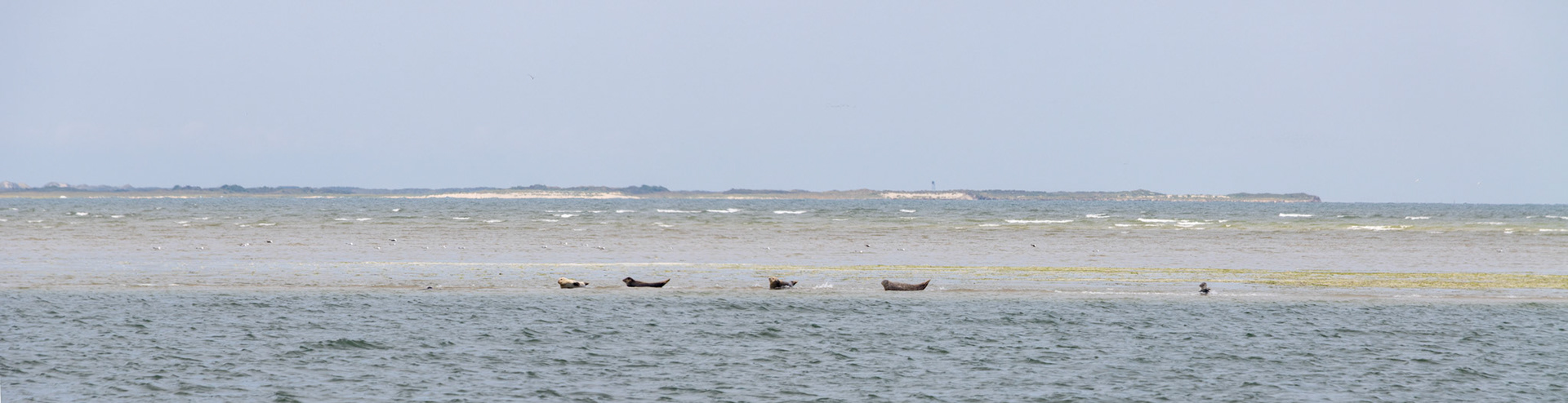
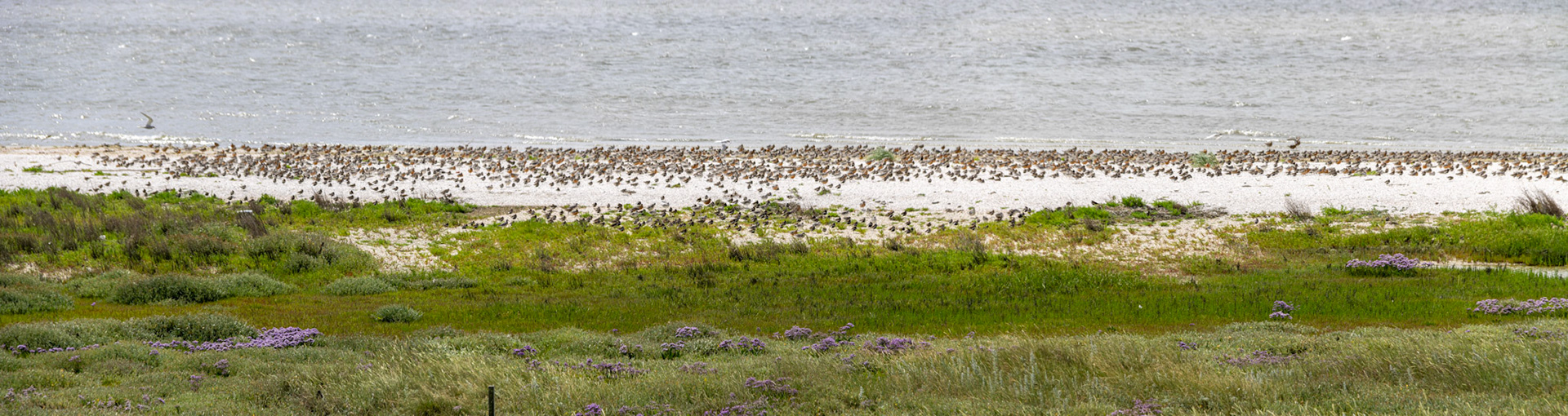
Our first Friesian island visit was to Terschelling ( 15 July) which is the second-largest Wadden island. It is most definitely a holiday resort and the marina was full but they squeezed us and many other boats in too. One well-known sight on the island is the 55-metre-high Brandaris, the oldest lighthouse in the Netherlands (1594). Terschelling is known for its cranberries These tart and tasty berries were first discovered on the island in 1868 by Franciscus Holkema, the son of a Frisian pastor. The story goes that a barrel of American cranberries was blown off a ship during a storm and washed ashore in 1845. Because the beachcomber that found the barrel had no use for the berries, he left it behind in the dunes. The cranberry shrubs have since spread all over the island and our sample of the juice when we walked over to see the North Sea was delicious. Nick found us a lovely walk through the pine trees and sand dunes and we took a picnic with us. A lovely day out.
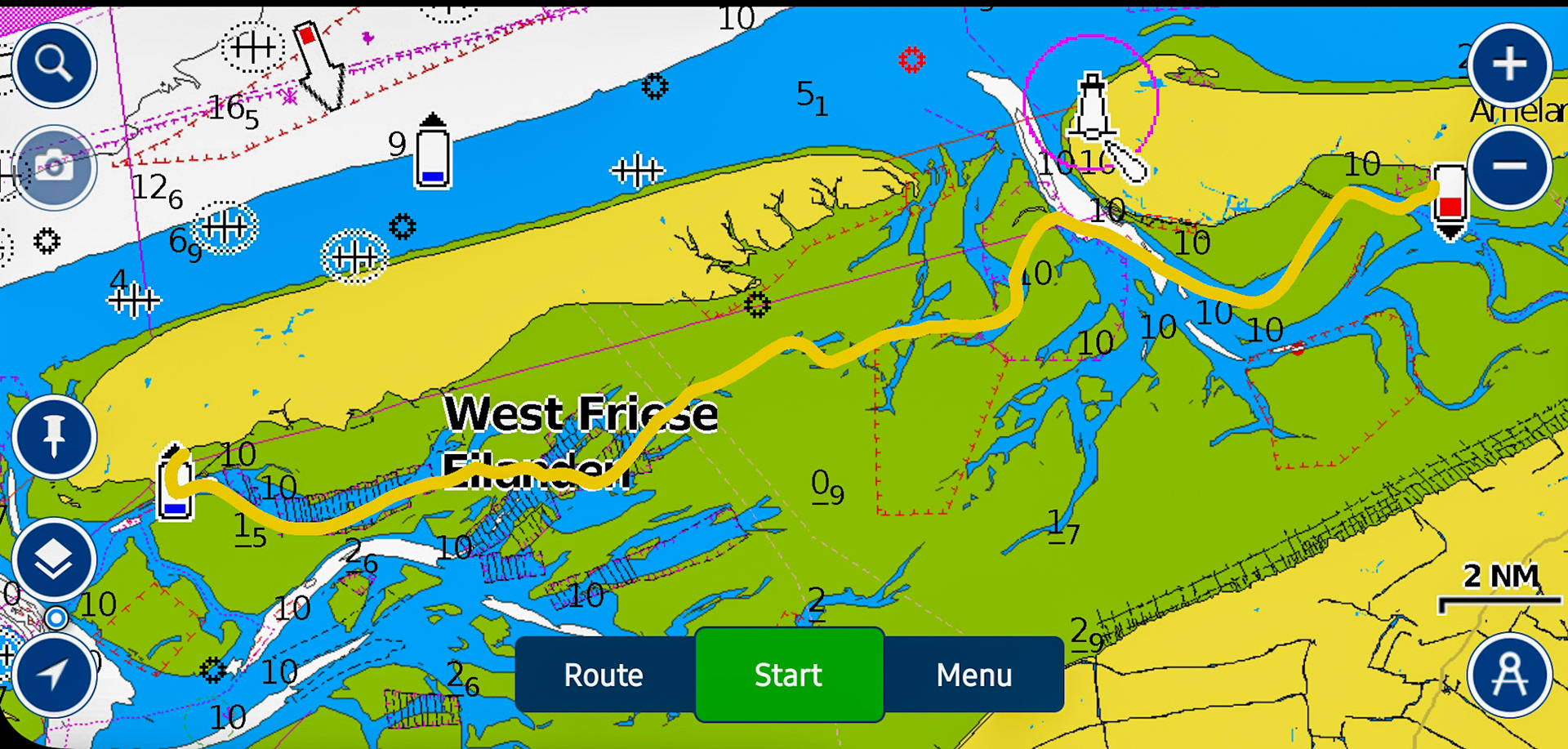
We spent a fair bit of time working out the tides and timings to get to Ameland from Terschelling, and although we touched the bottom a couple of times we managed to sail the whole way despite 2 x 20 minute passages head to wind! (The engine helped out here). The channels were well buoyed although occasionally the buoys were NOT in the right place!
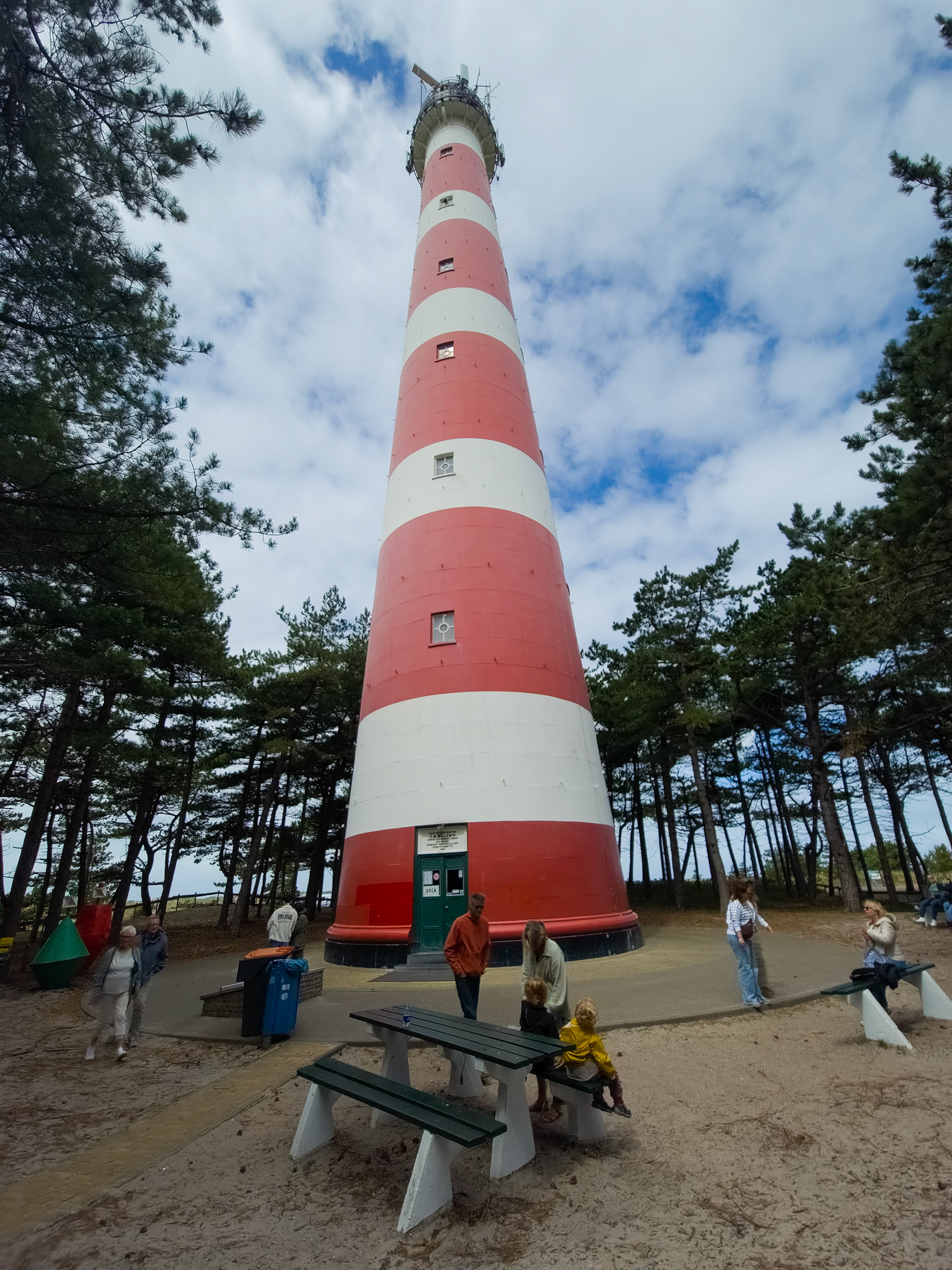
Bornrif Lighthouse Amerland
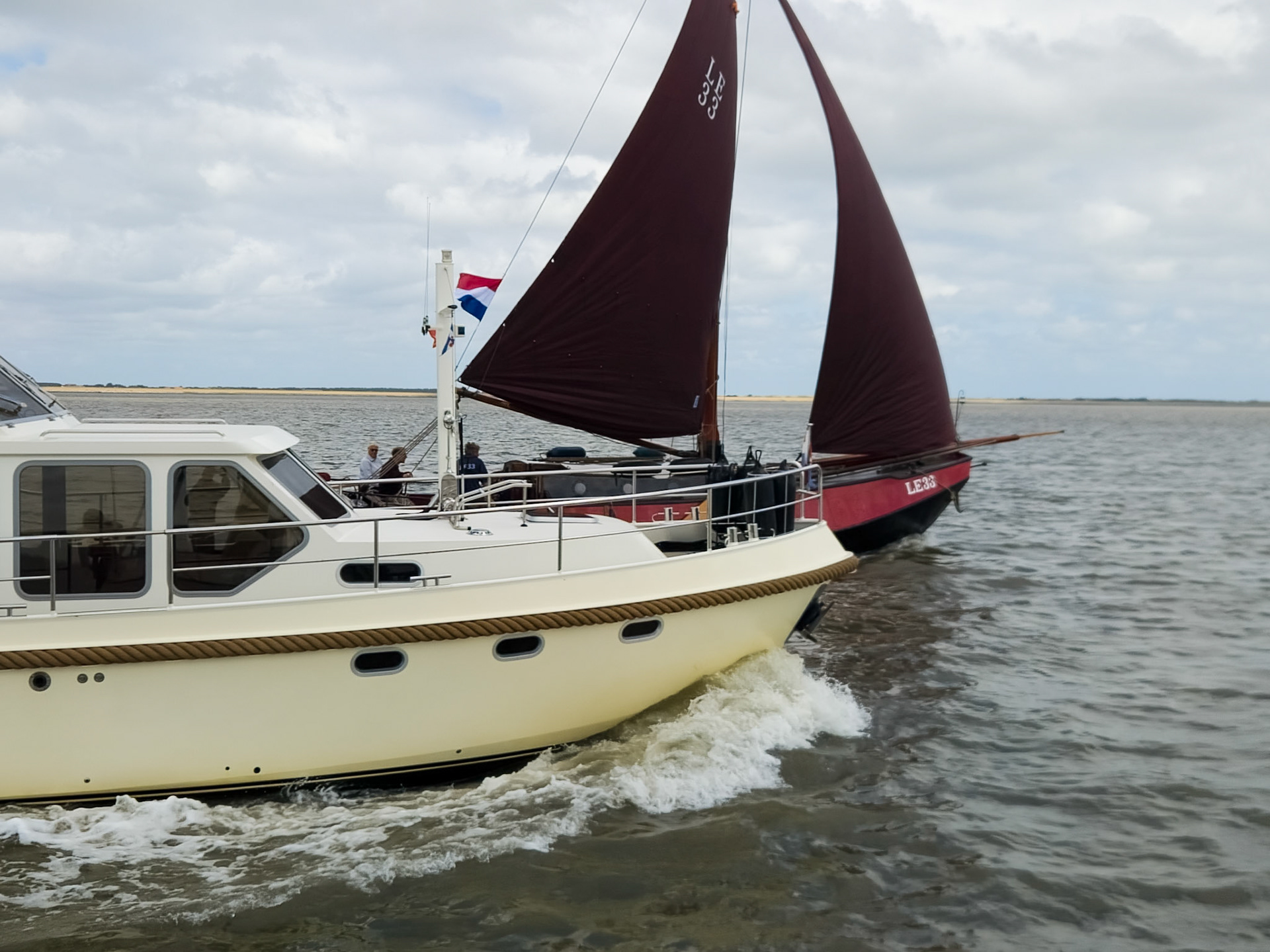
we all stay close to the buoys
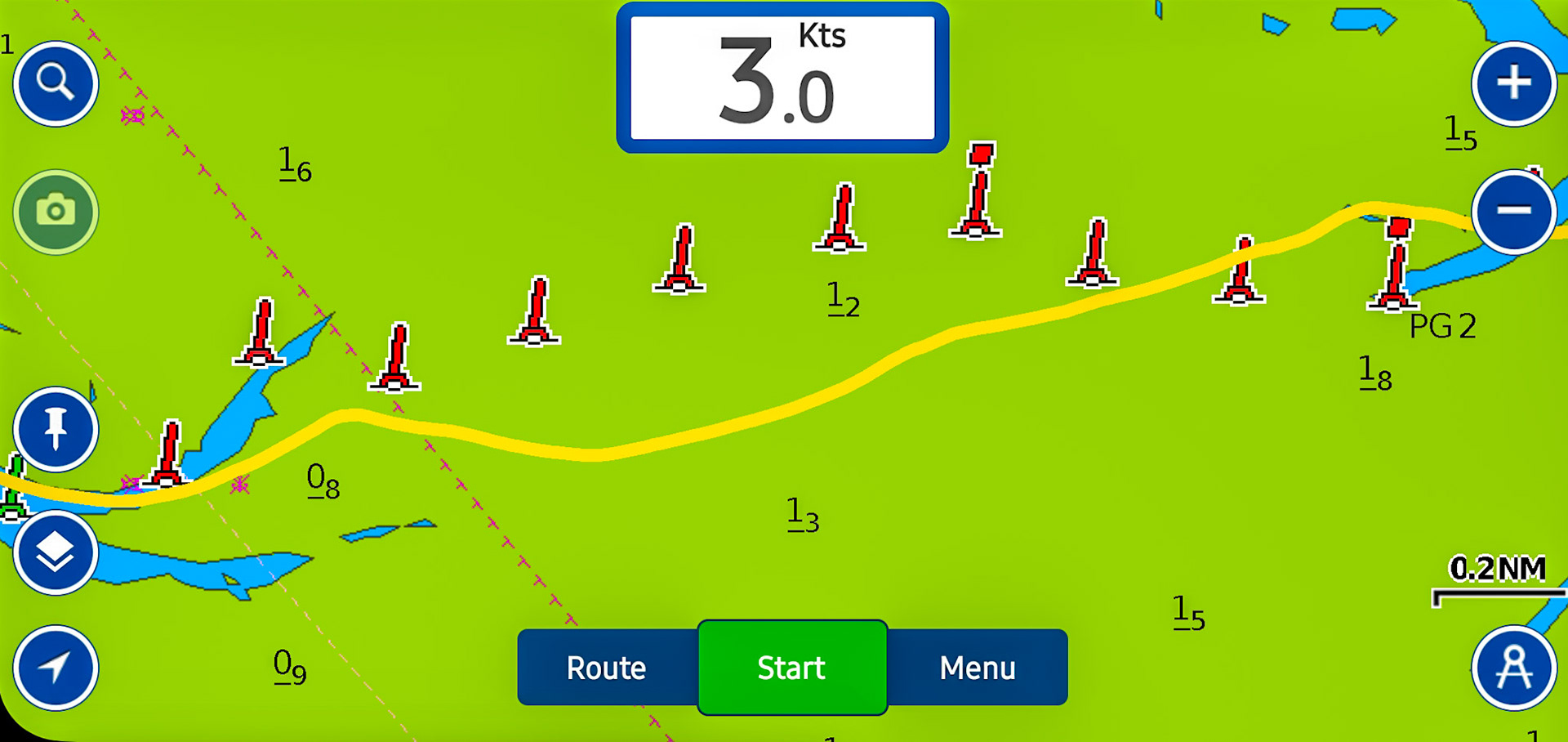
our track following the buoys, charts incorrect.
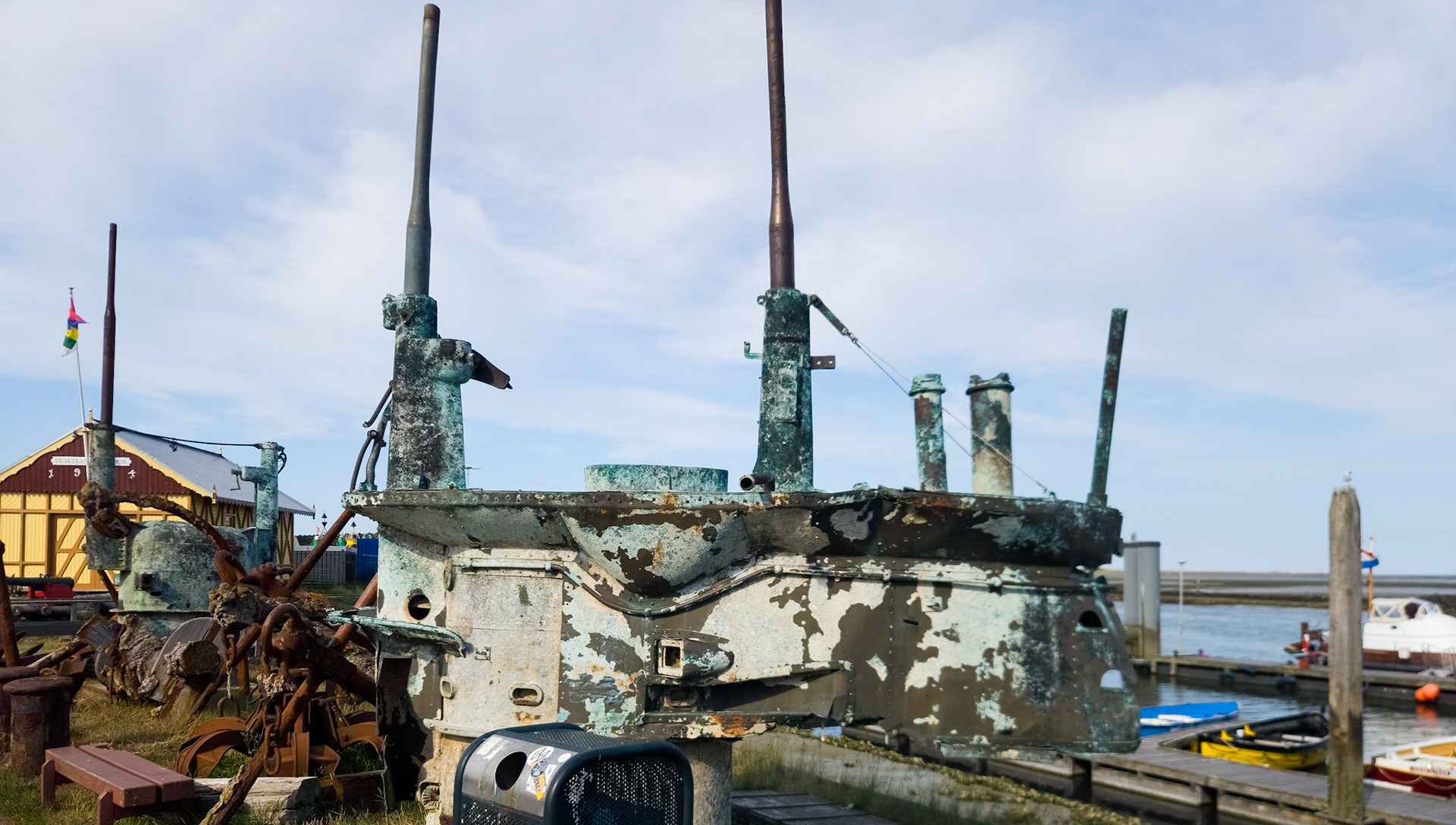
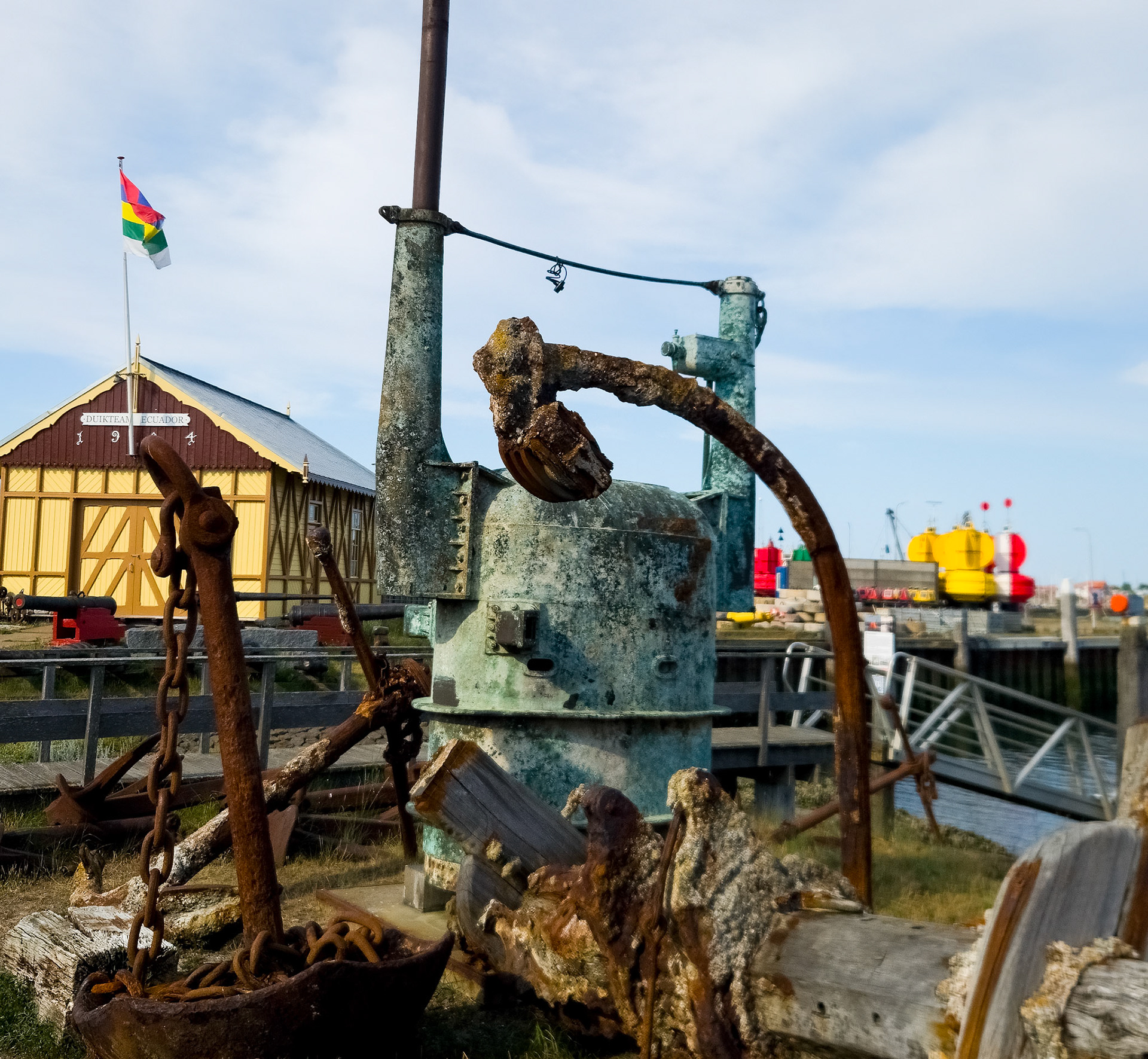
Wrecks of Subs
We had a delightful 2 days in Ameland especially as Abel and Adrienne had stayed over to meet up with us. We cycled around most of the island and enjoyed the ride through trees, along the coast and as always safe on the cycle tracks. About 50KM that day. In the evening Abel and Adrienne treated us to a delicious traditional Dutch fish platter showcasing the delightful smoked eel, raw herring with onion and the tiny pink prawns. It was a real feast and our best meal in Holland by far! We waved off Camus Bosta on 20th in the morning and at 1210 we departed for the quiet and shallow Lauwersmeer. We had developed a very detailed time plan that included chasing the highwater mark across the sands and tiny channels again. It was a brilliant if slightly nerve wracking sail, especially when we saw the barges shifting a green buoy in our channel!
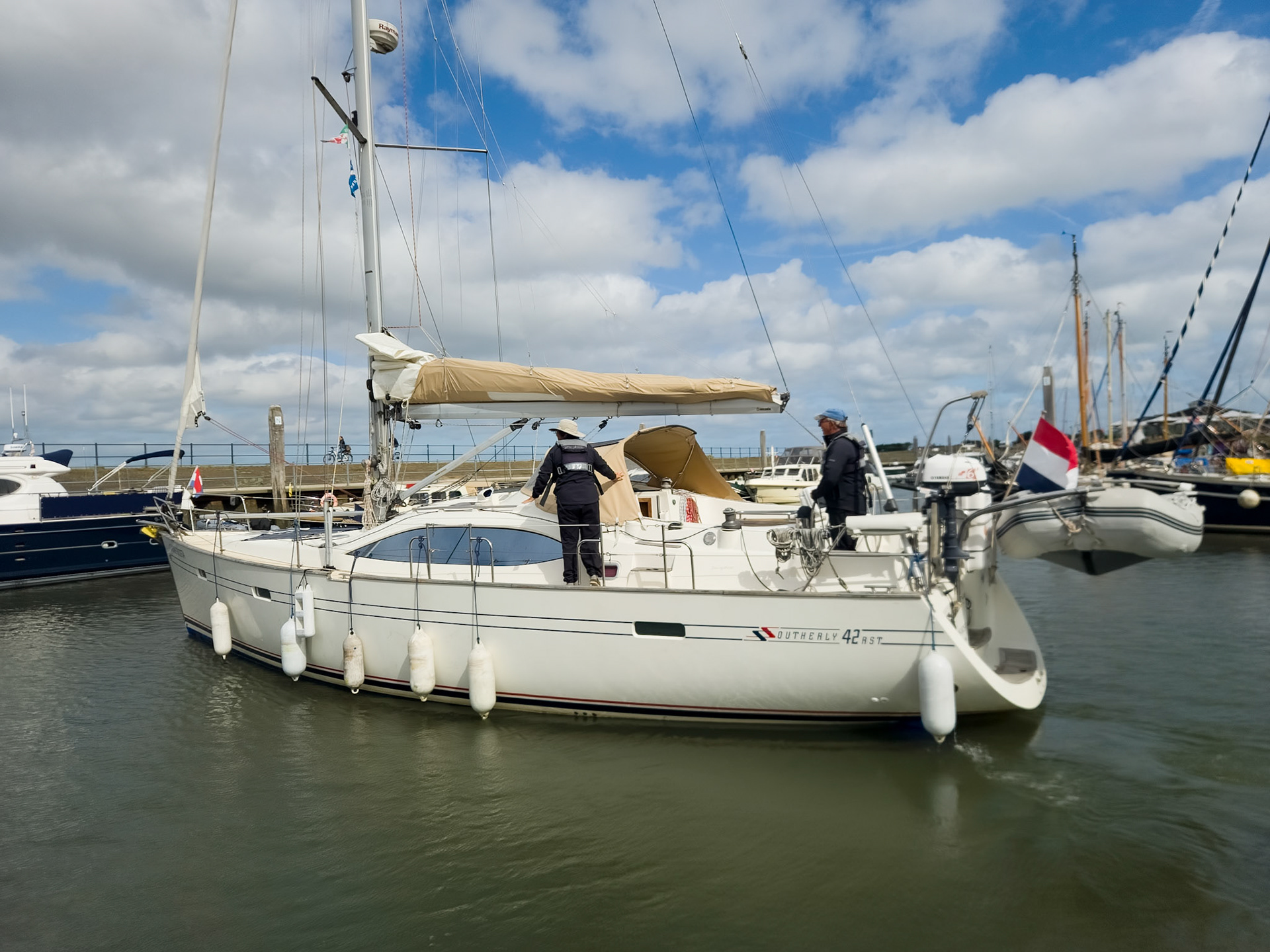
Camus Bosta
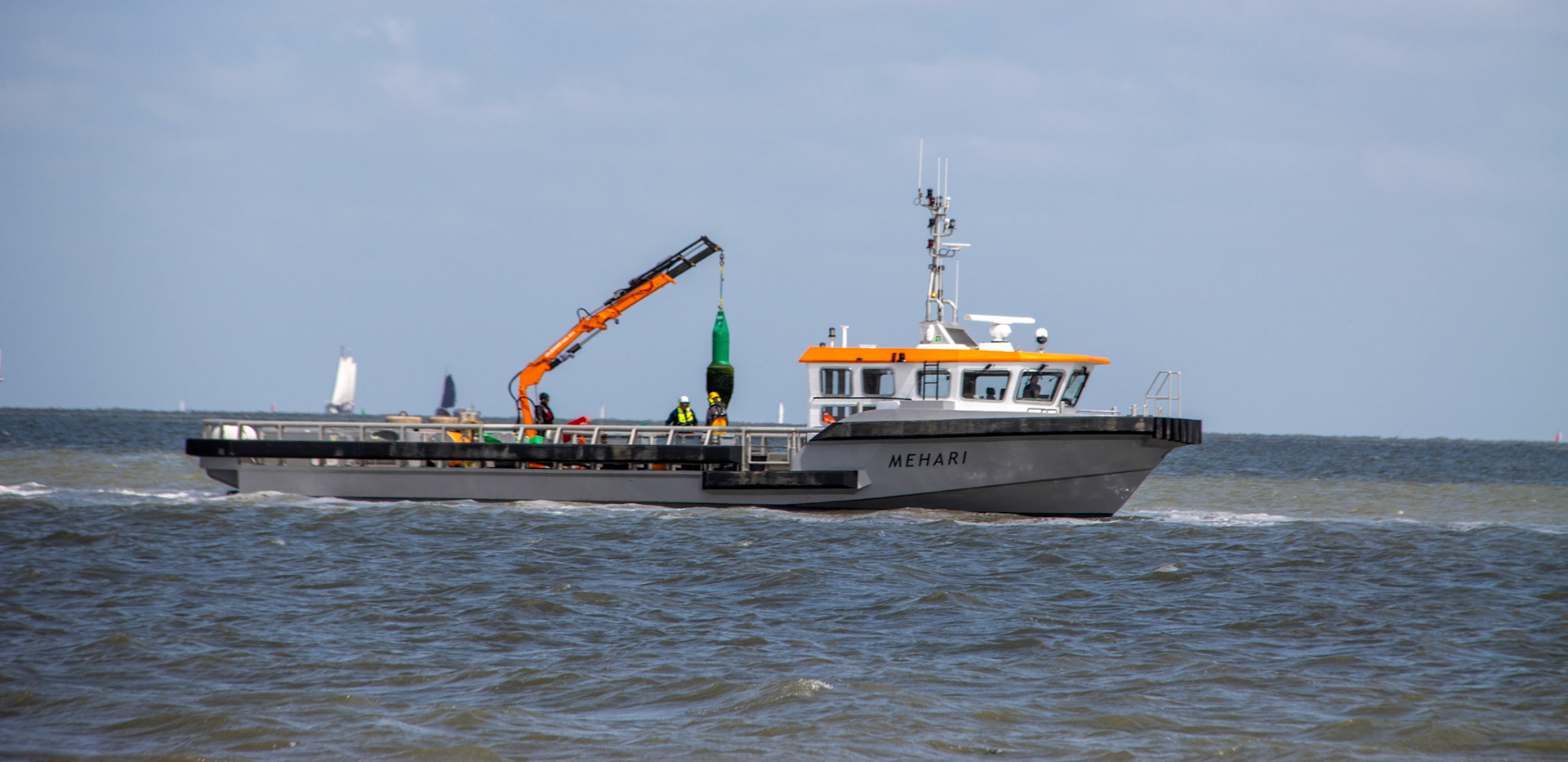
and where are you putting that?
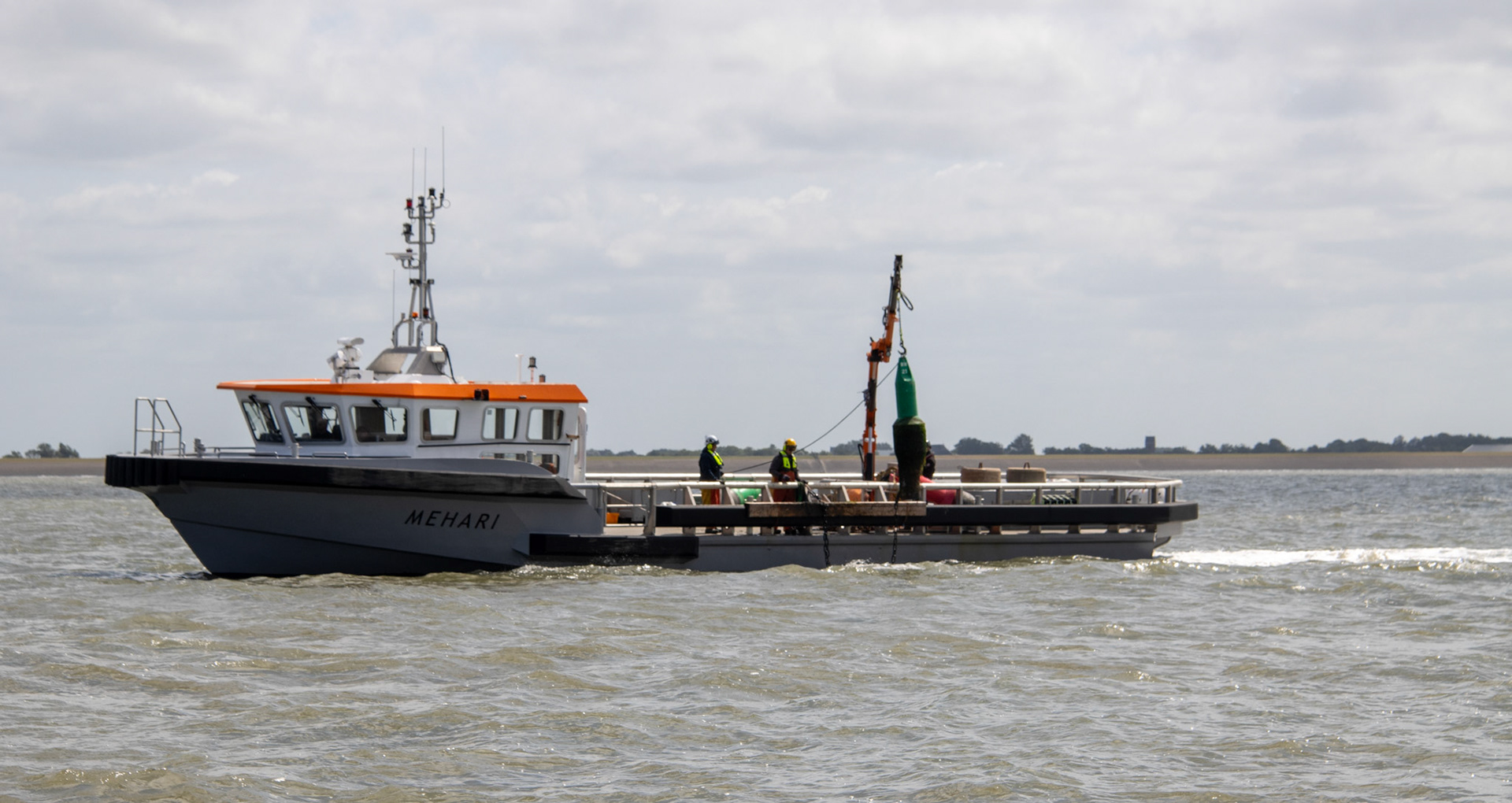
I see just there then.
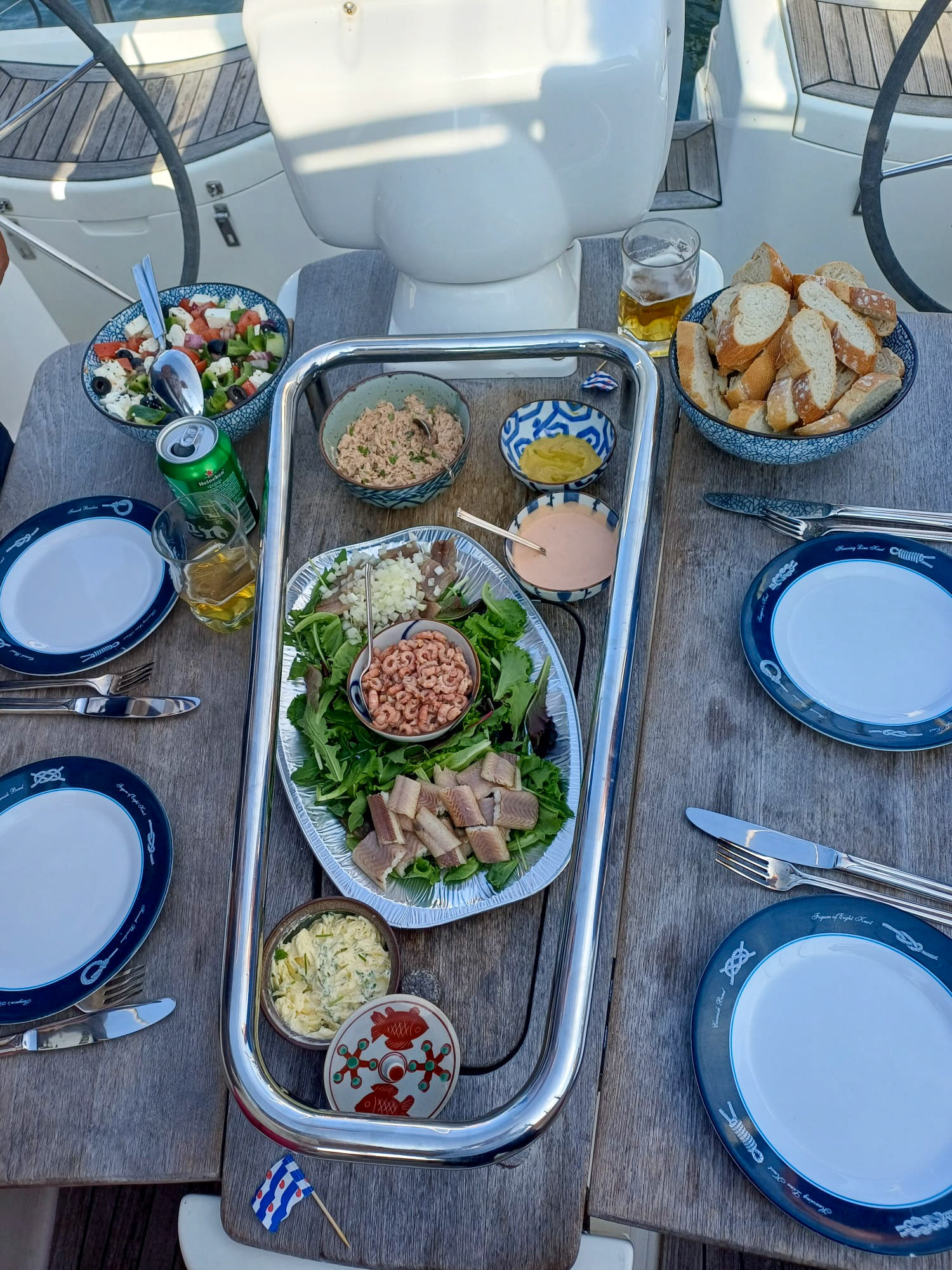
Best supper-onboard Camus Bosta
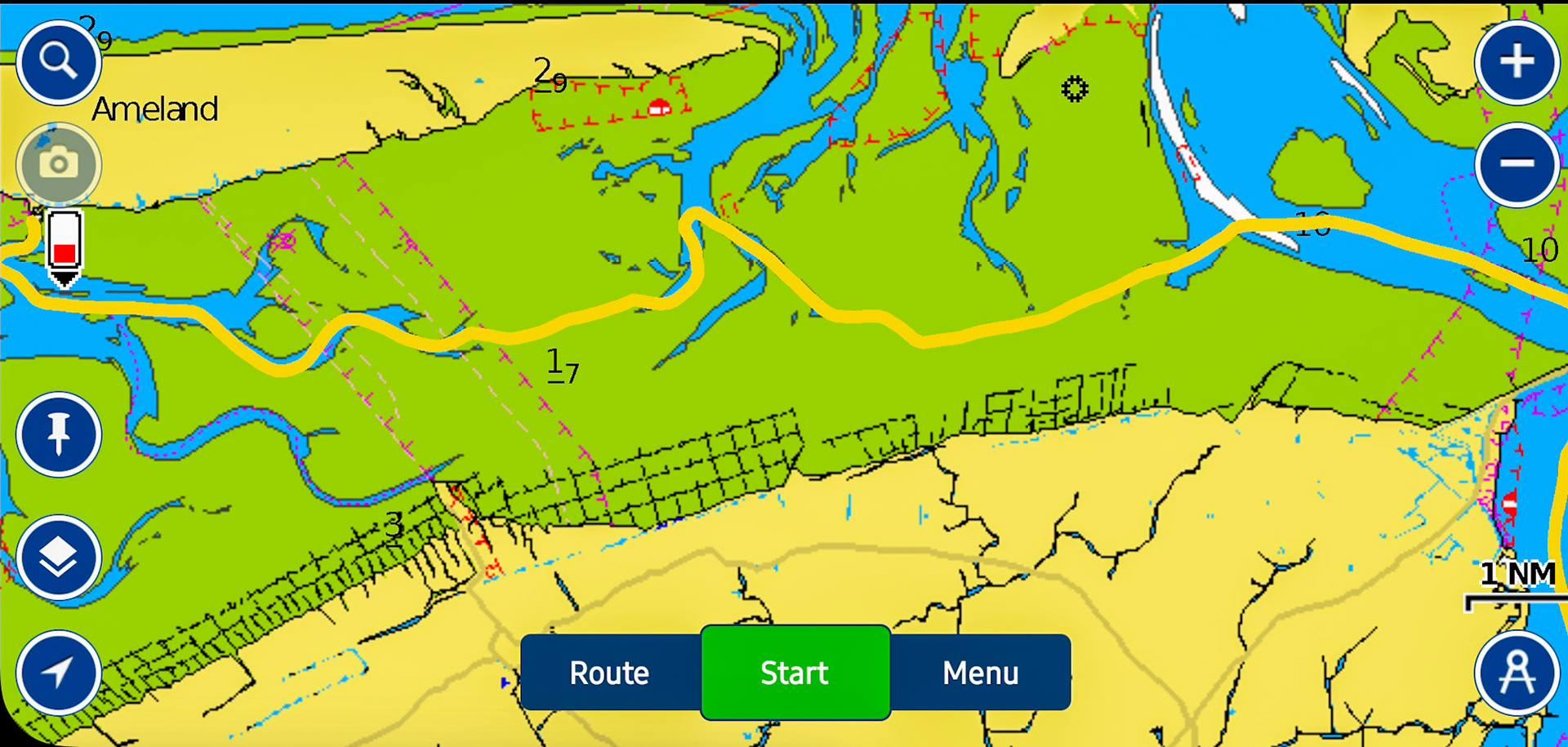
Ameland to Lauwersmeer
We made it through the lock into the quiet of Lauwersmeer and spent a night at anchor in a quiet corner. We named this lake Swan Lake as it has an astounding population of wild swans gathered along its periphery.
Our travels continued through Dokkum and Leeuwarden again as we headed to Harlingen and our favourite quiet yacht club there. Here we met Fred and Nelli with their lovely 110 Alcedo and shared a few glasses with them at the yacht club. It was a most enjoyable Friday evening! Through the lock the next day to catch the tide in the Wadden Zee for a short hop down to the Kornwerderzand, the long lock at the eastern end of the Afsluitdijk. This dam and causeway was built between 1927 and 1932 and runs for 32km. It was built to protect the Ijsselmeer from the Wadden See and is now being strengthened and widened to carry the volume of traffic and maintain the integrity of the inland meers. The improvements also had to ensure a minimum height of 7.8m and 2m higher in certain parts to avoid washover from the salt water into the sweet water. A major project!
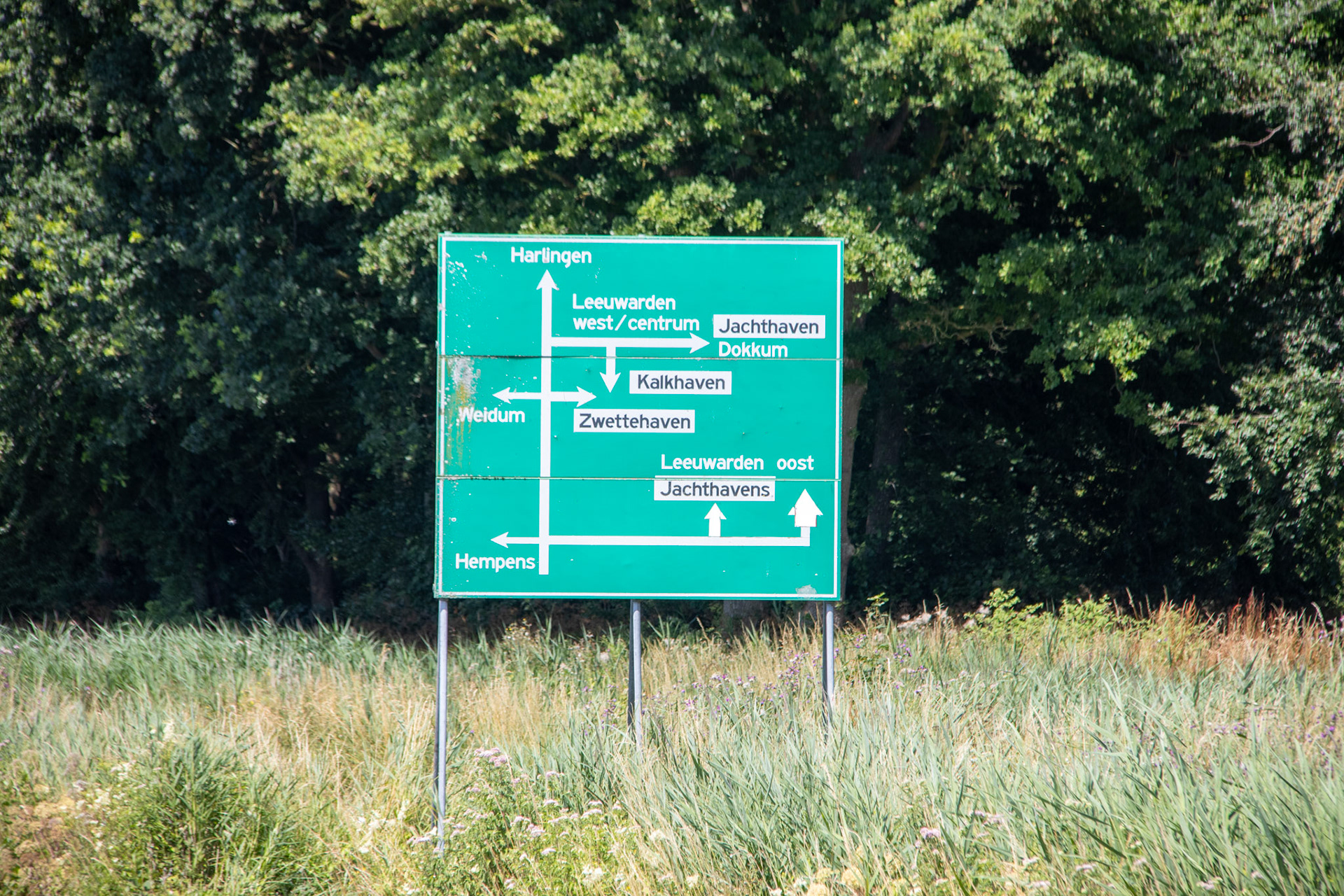
Canals have signposts too
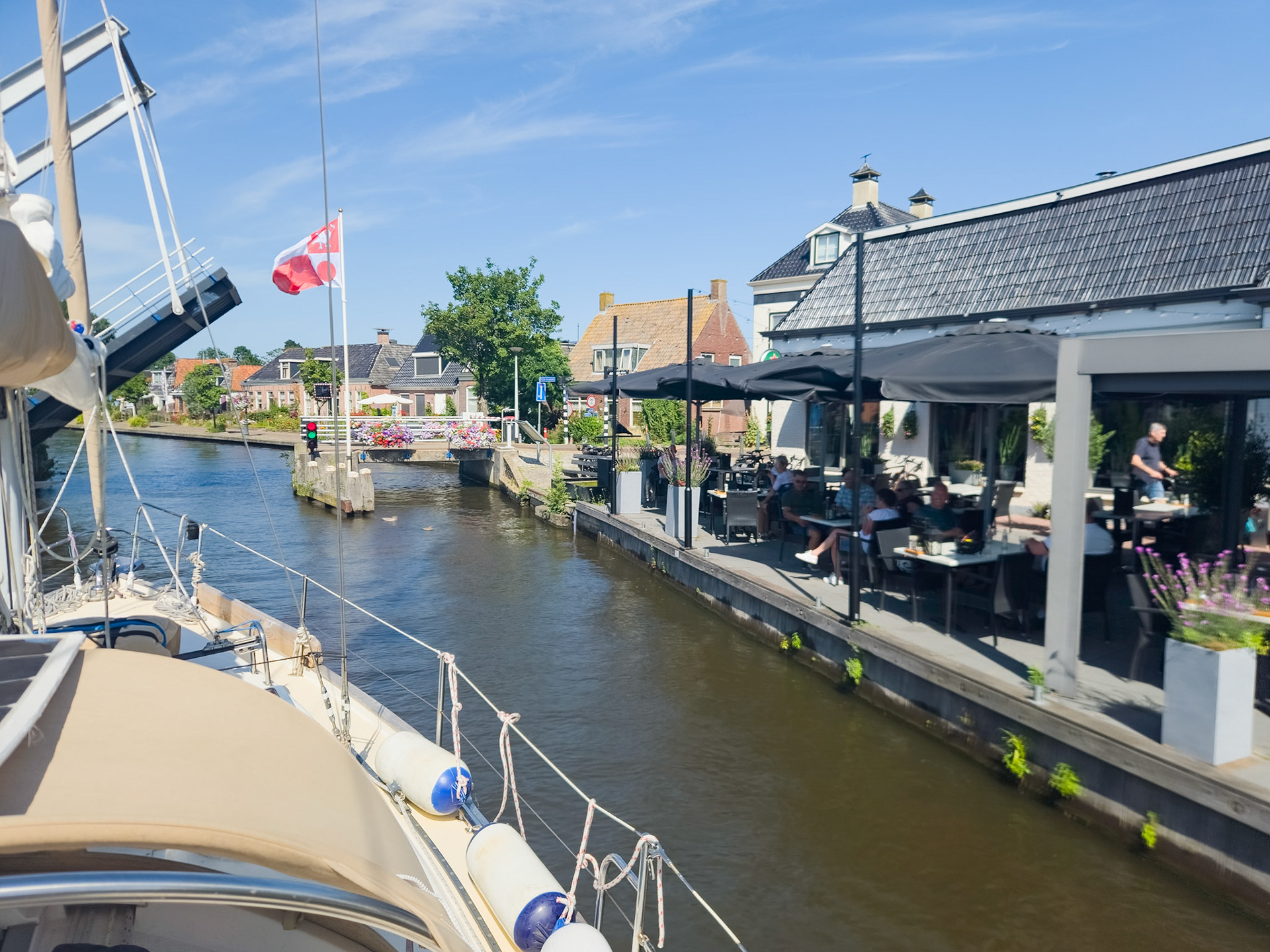
No pressure then, narrow canal and everyone's watching and the bridge not fully open
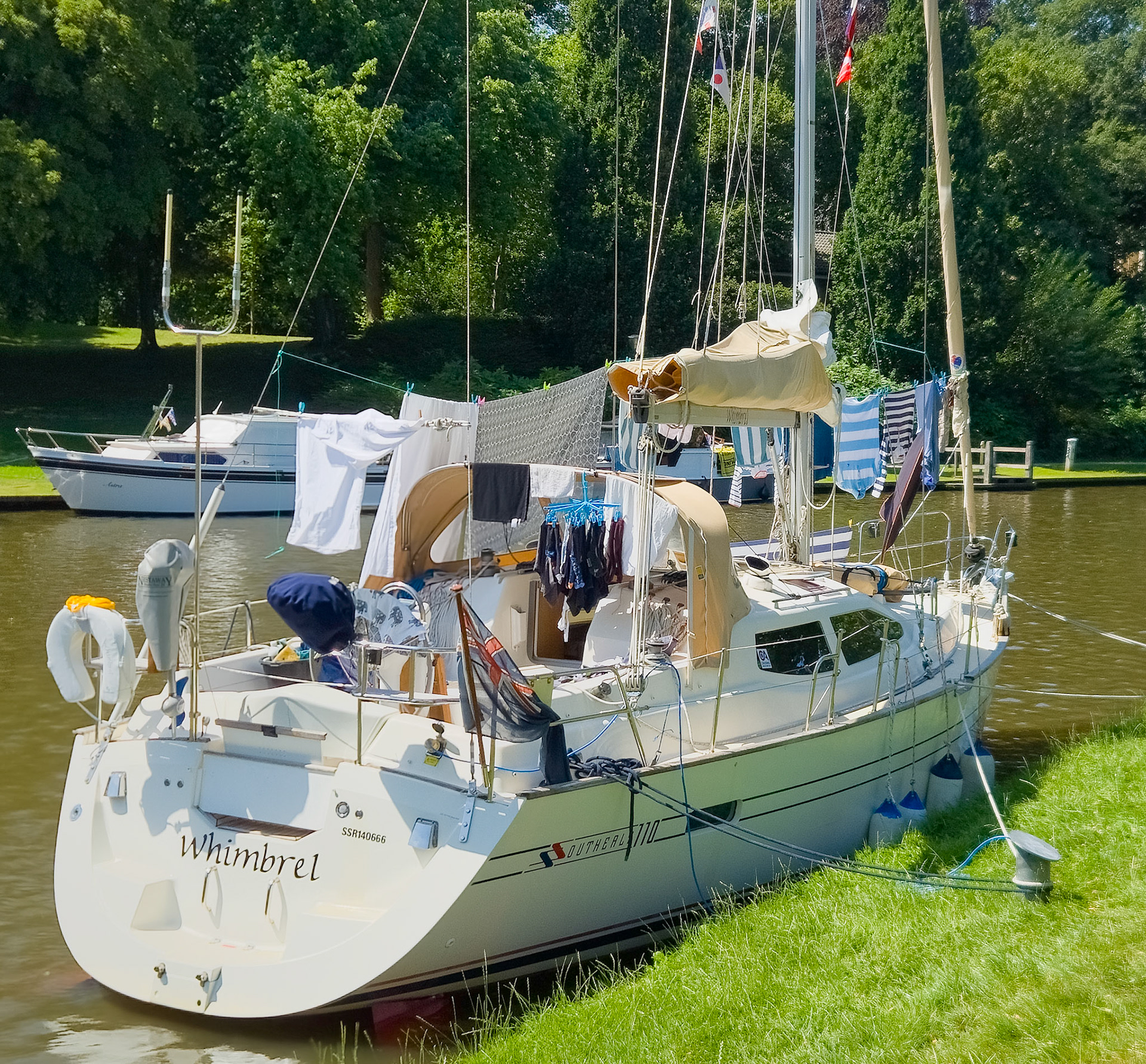
Wash day in Leeuwarden
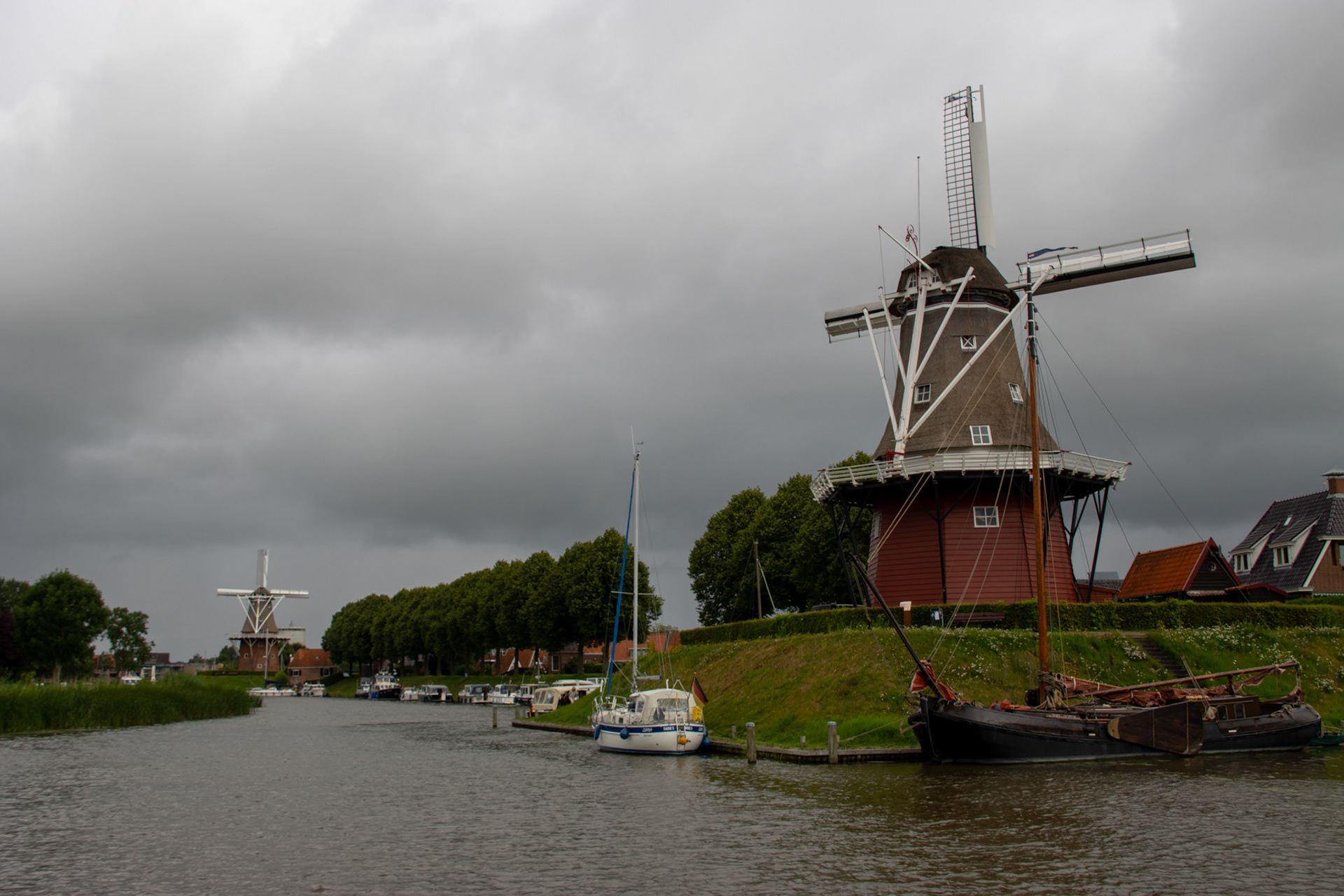
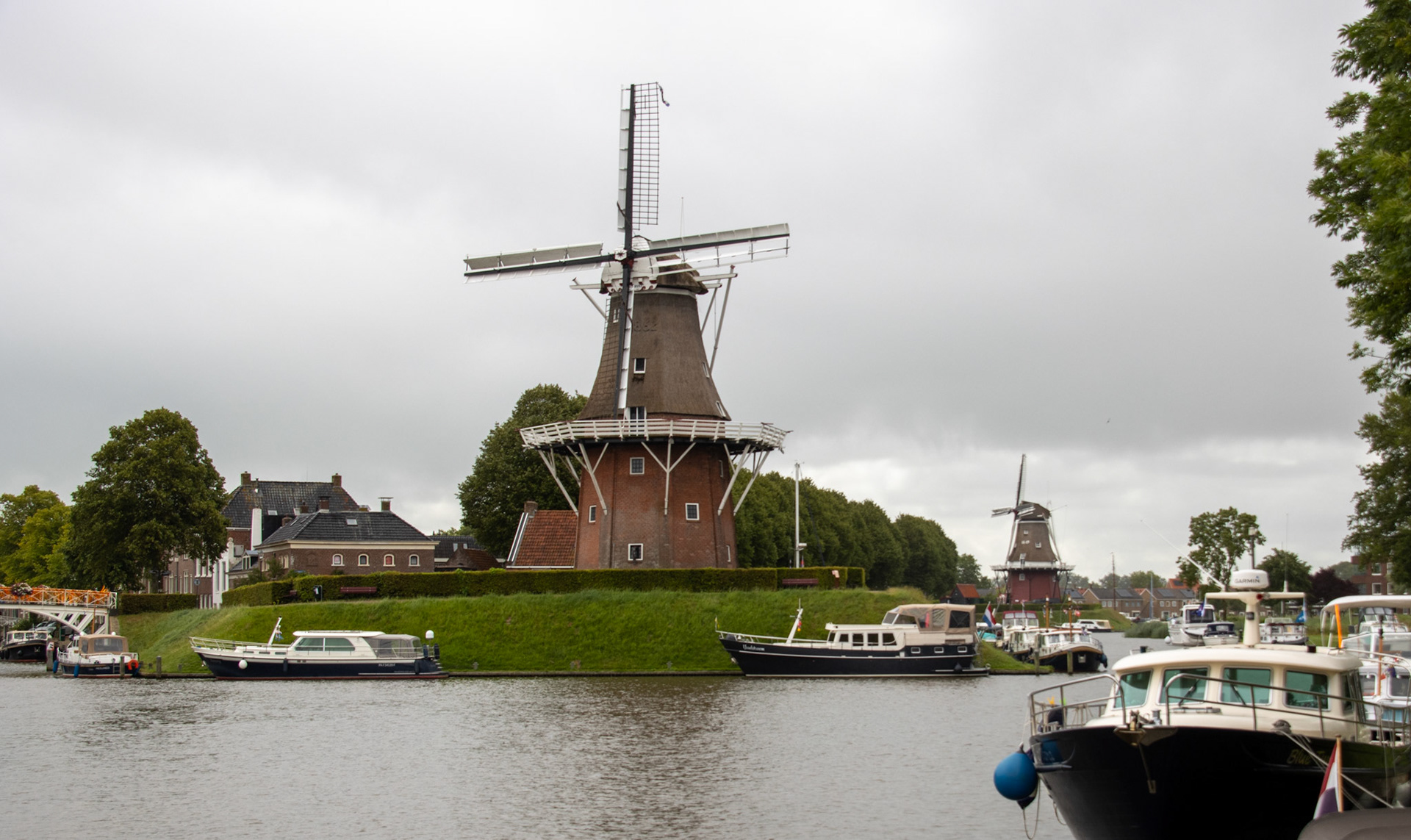
Dokkum
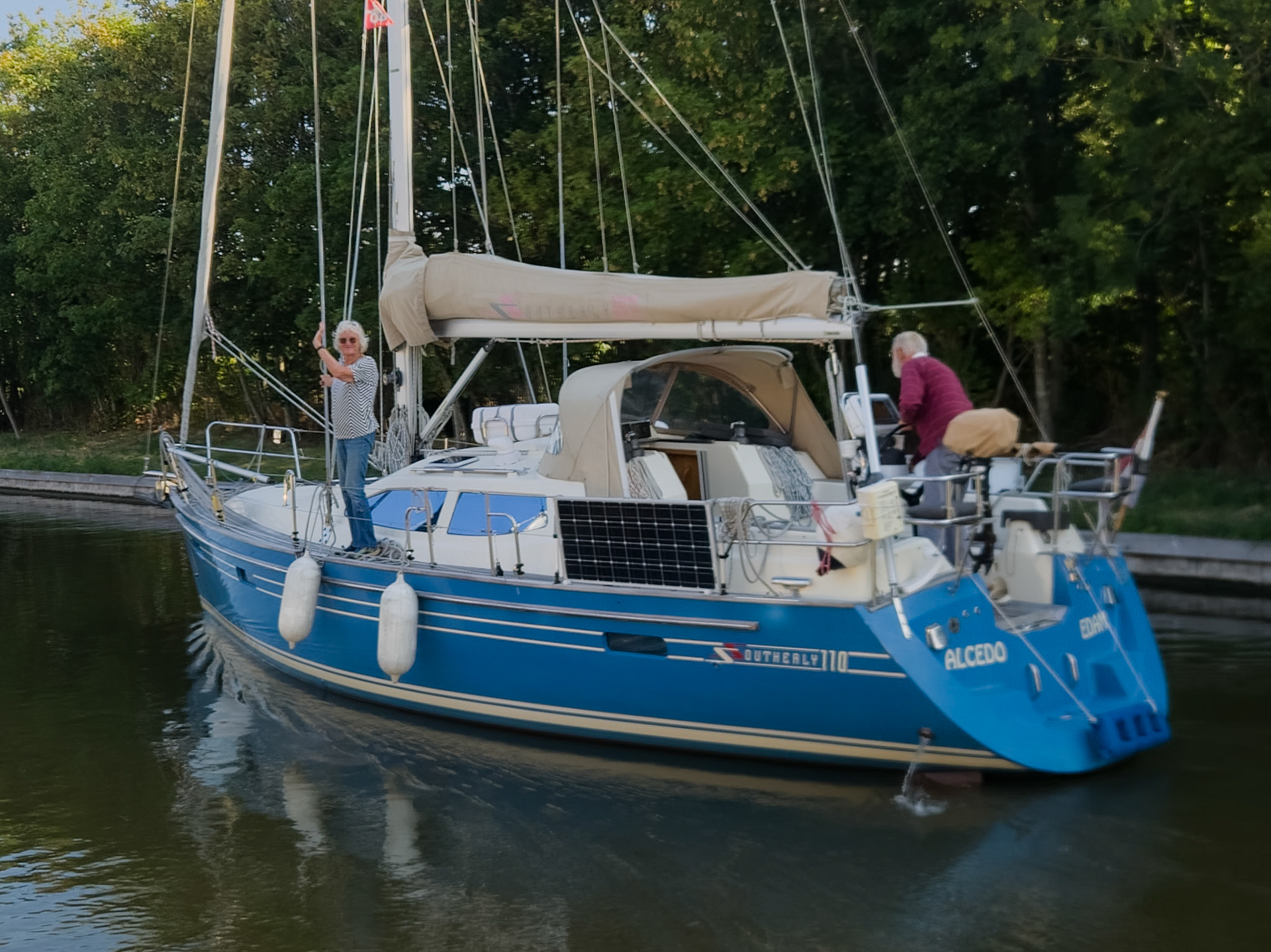
Fred and Nelli with their lovely 110 Alcedo
We anchored overnight just south and east of the dam and headed off for the anchorage in Enkhuizen the next morning. It was a delightful sail in 10-14kts of wind and we made an easy passage to the anchorage at Compagnieshaven just inside the confines of the Zuiderzee museum. We spent a couple of nights here and after blowing up the dinghy for the first time this year we wandered into Enkhuizen for a few hours and to check out the station for our trip home.
So on the 28th we motored round to Buyshaven who had reserved a delightful berth for Whimbrel whilst we departed for 17 days.
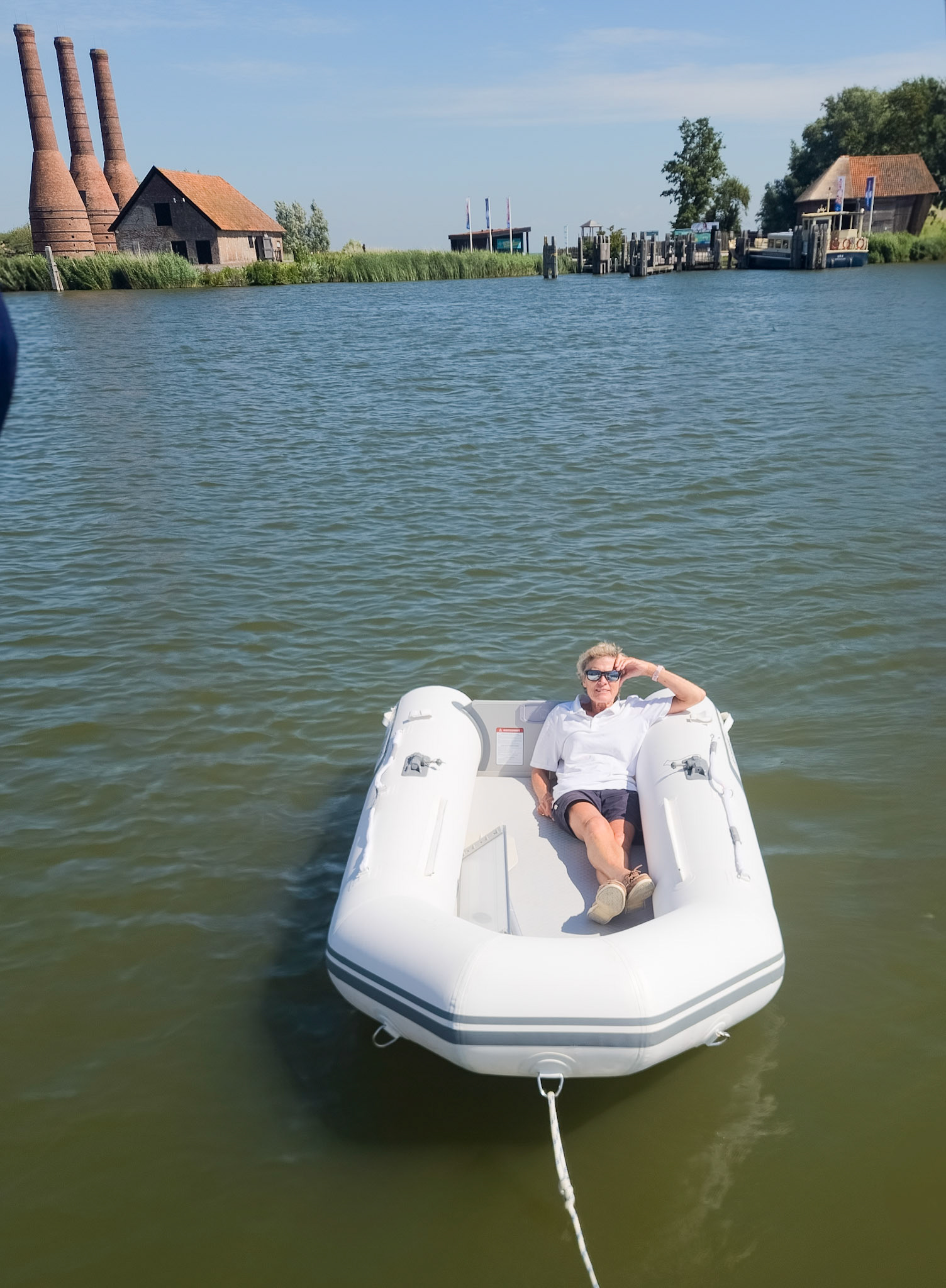
Relaxing at sea