And so our last few weeks for this season began with our return after Keyhaven Regatta and a wonderful weekend with the family. Travelling back to Enkhuisan by train and the wonderful Eurostar, we vaguely registered the stunning eclipse from our train between Amsterdam and Enkhuisan before returning back on board for a supper on deck at 2030!
Shopping and storing for about 3 weeks and planning our route took a couple of days and we set sail for Stavoren on 14th August. We had hoped to use the lock at Kowersand but luckily found out it was broken before we set off. The crossing of the Ijsselmeer was a nightmare with billions of little flies and mosquitos buzzing landing and dying on the boat…. And us. As soon as we entered the canals though they stopped bothering us but trying to clean Whimbrel’s topsides, canvas covers, fenders and sails required a lot of effort. EUCH!
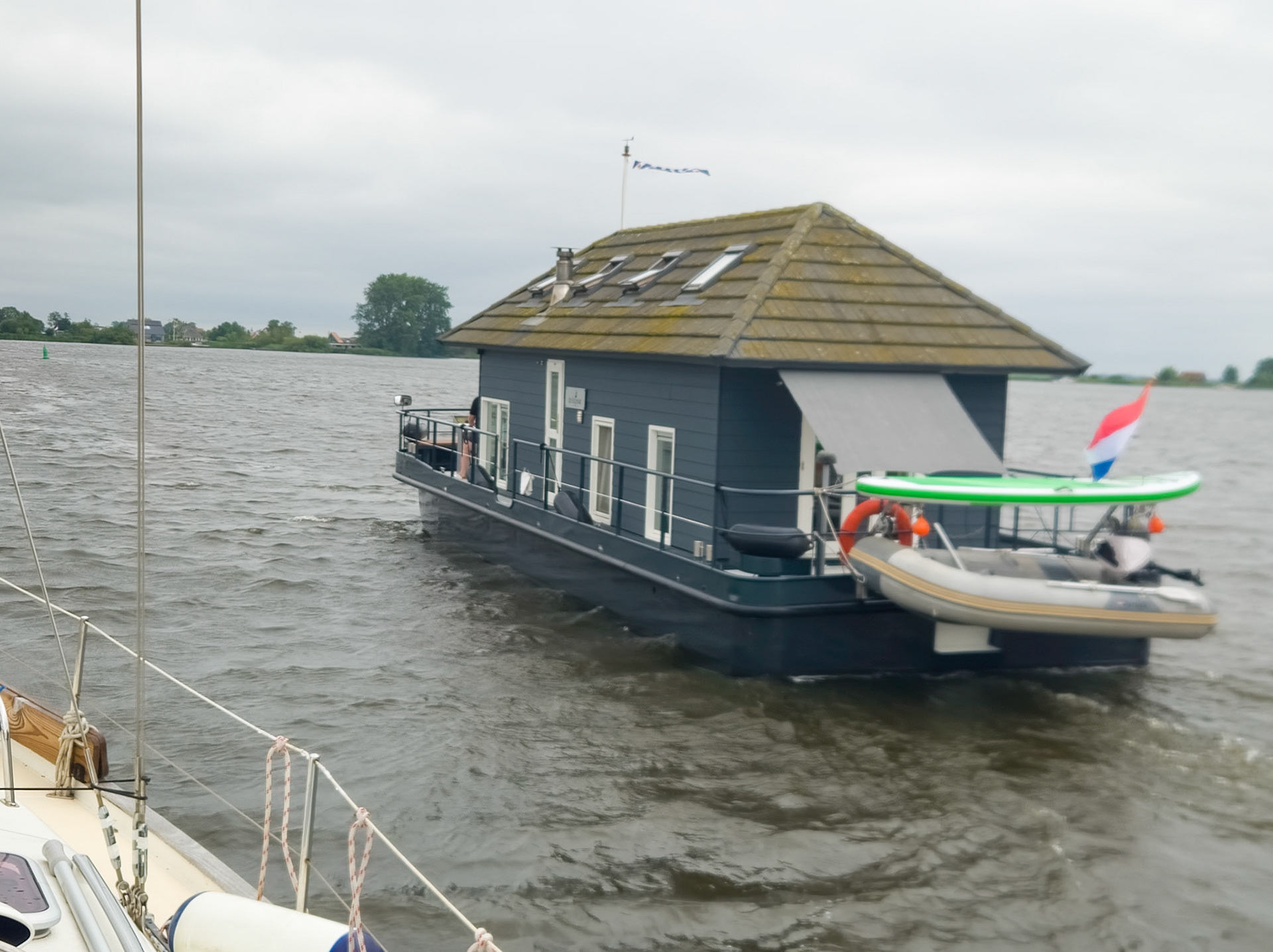
We overtook this house on our way to Sneek
We moored just off Sneek for the night and departed the following day. It was raining!! probably the first rain we had seen all season except on Thunder and Lightening island in the Gravelingenmeer. We used the marrekrite at Fietsbrug near Wyns for the night and then motored up to Dokkum for fresh provisions. Continuing on a apace we motored through Dokkum and into the Lauwersoog before locking out and into the salty waters of the Wadden Sea. We were saying goodbye to The Netherlands and Friesland now as we headed out toward the Eastern Friesian Islands of Germany. Stretching more than 50 miles from west to east, they are a popular holiday destination, well known for their unique coastal landscapes and diverse wildlife, from grey seals and migrating birds to the creatures found in the mud. Each island has its own identity but all have vast sandy beaches, grassy dunes and tidal mudflats. The islands belong to the larger Wadden Sea Unesco world heritage site and have been part of the Lower Saxon Wadden Sea National park since its formation in 1986.
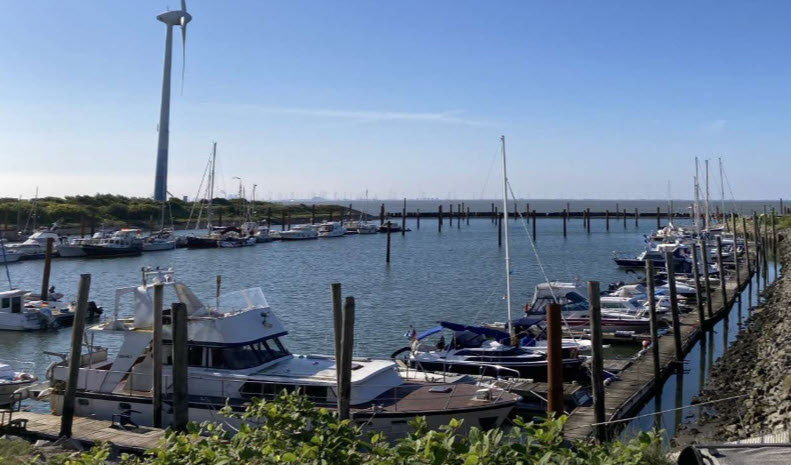
Departing at 0700 on 18th August after filling up with water, we set 1 reef in the main kept a full headsail and had a cracking sail to Port Henry in Borkum, our welcome to Germany. I was so excited to be there having read The Riddle of the Sands at least twice and to see the actual places and experience the tidal flows and shifting waterways that were described in the book. Port Henry is a very useful, if not particularly attractive little harbour that nonetheless retains some character and ironworks and piers from the first world war. The harbour master was helpful, the washing machines excellent and although the pontoons were a little rickety they were safe enough to use. We also treated ourselves to a night out at the local Yachthafen restaurant which served truly excellent food.

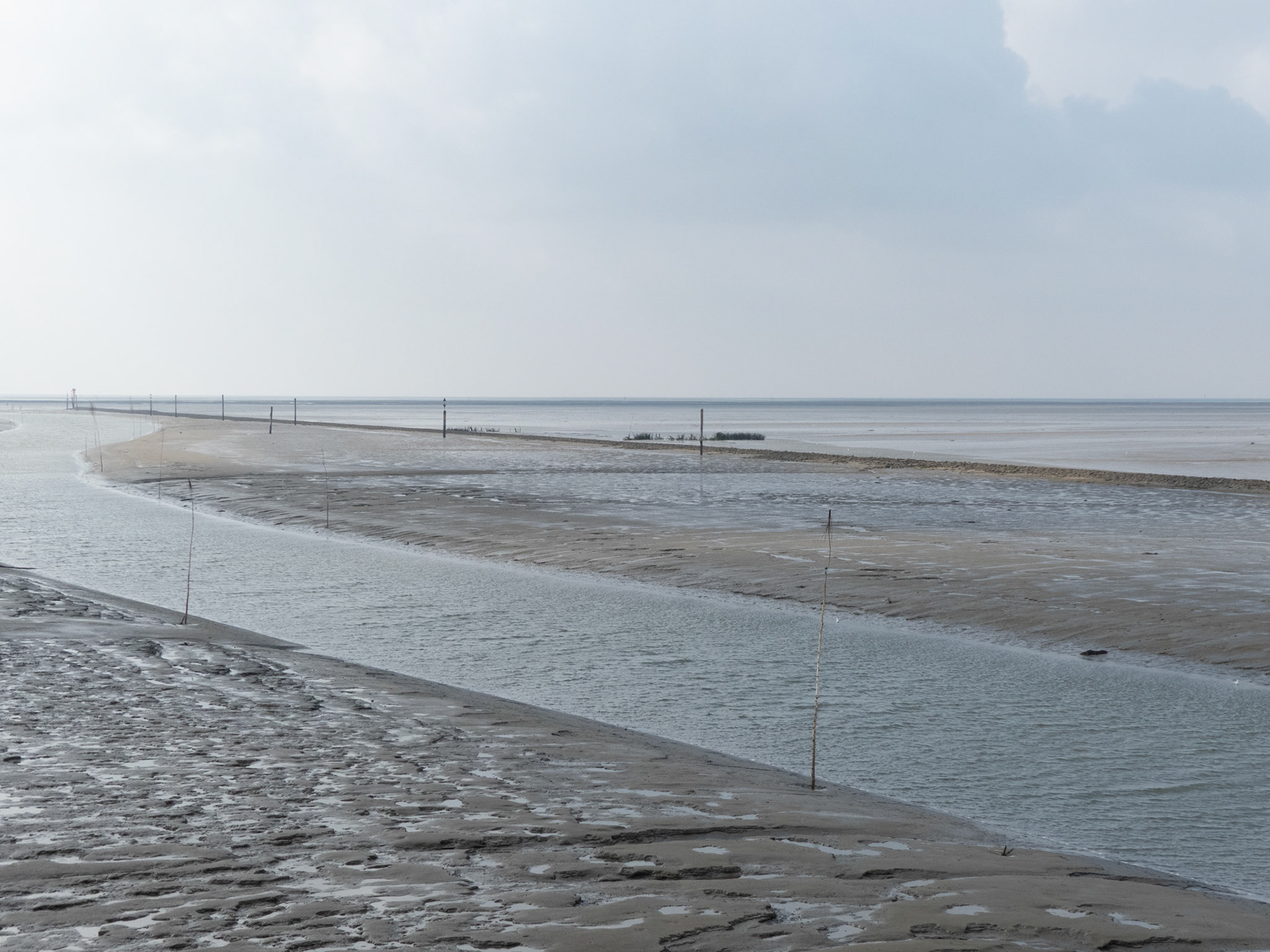
We stayed a couple of nights before planning our departure to Juist and had our first encounter with the German Withies – the buoyage system used in these shifting sands and little channels. Although a bit murky we followed the channel to within a few inches of the withies as we could see the mudflats just inches below the hull. It was an excellent navigation exercise and required both of us to spot the next withy and decide if it was a port or starboard hand marker. It was only 15 miles but there was little wind so we motorsailed all the way until the twists and turns in the tight channel meant it was safer to drop the sail and use the motor only.

Change in channel direction using withies

Port hand Withy

Starboard Hand Withy
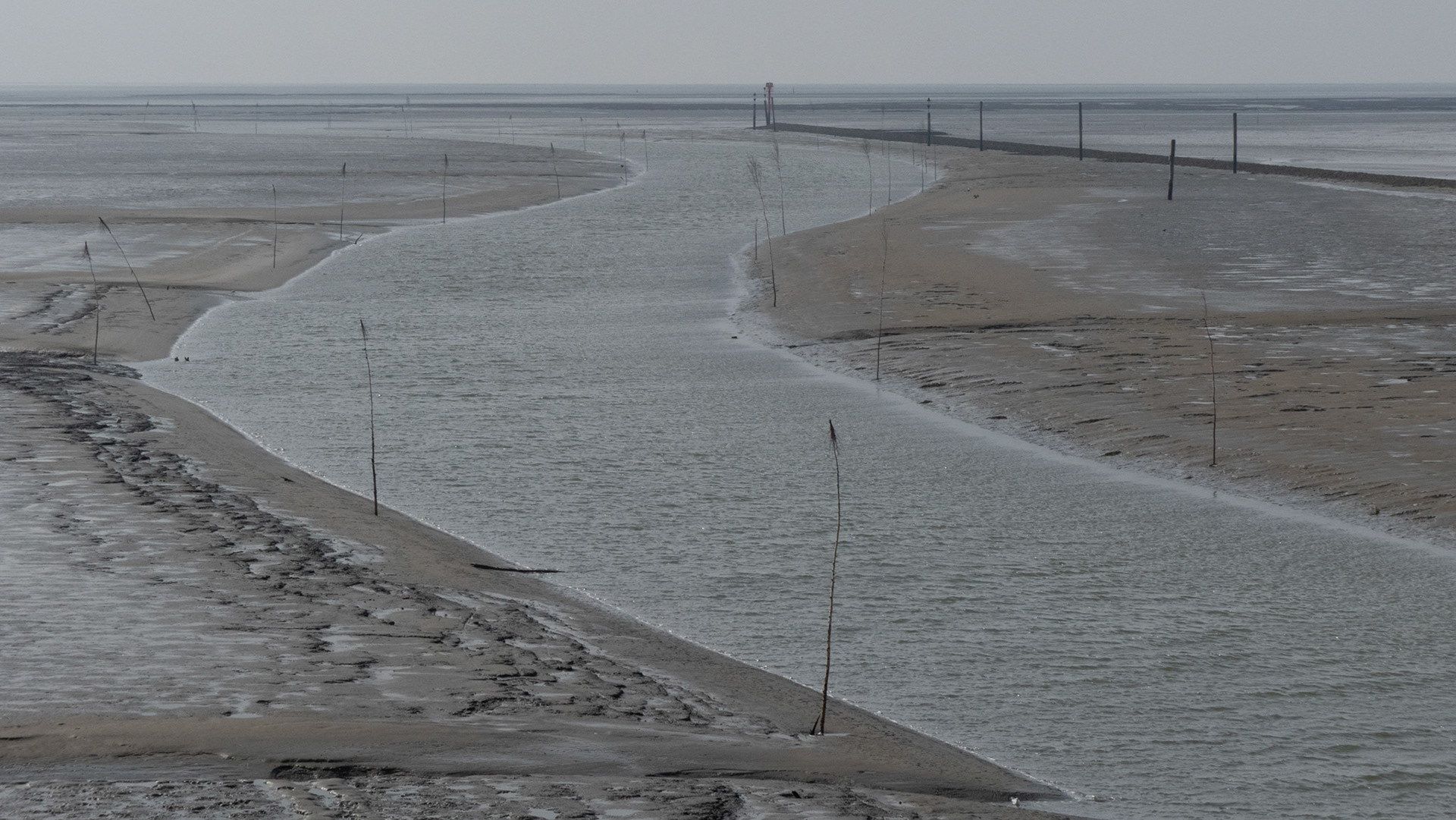
Follow the Withies NOT the training wall
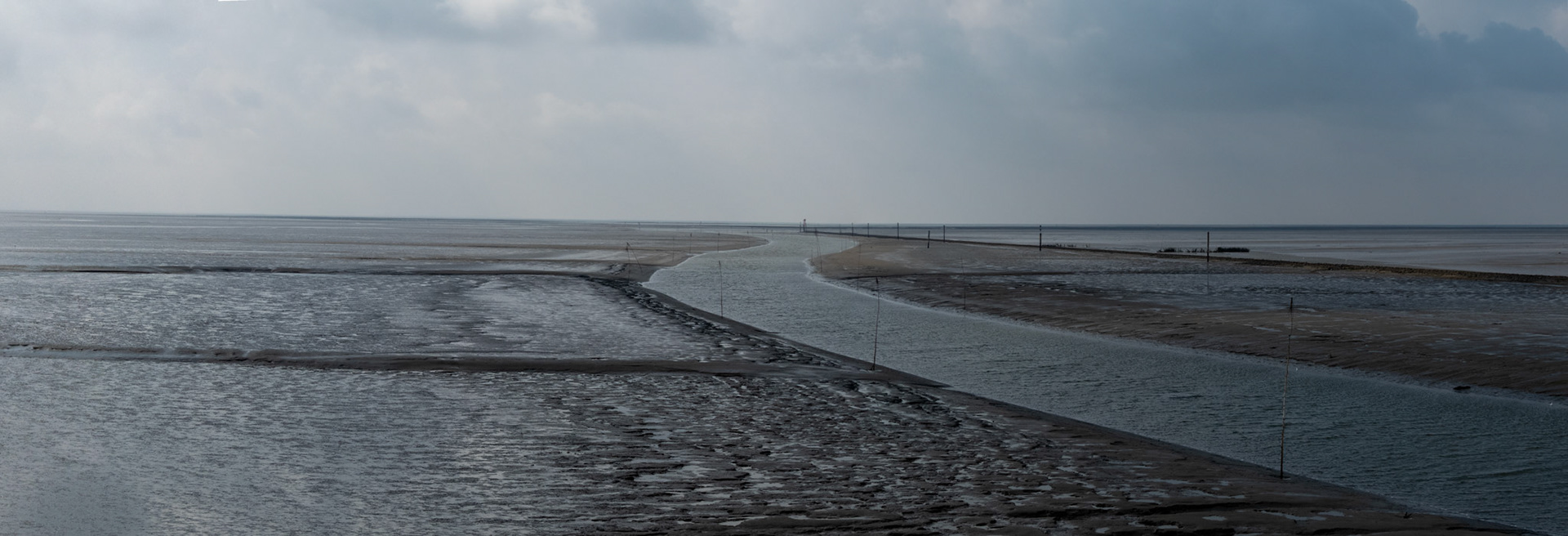
Juist proved to be a delightful stop and quite a contrast to Borkum. Most motor vehicles are prohibited on the island, with only the fire department, the German Red cross and doctors allowed to use them. Island tractors require a special license, while most other transport is done by bike or horse-drawn carriage. It was reported by the Reuters news agency, on 24 September 2014, that an unmanned “parcelcopter” commenced delivery of urgent drugs and supplies to the island by DHL. It was the first time an unmanned aircraft had been authorised to deliver goods in Europe and the first time that automated drones have been used to deliver medicines anywhere in the world. The flight at an altitude of 50 m and at a speed of up to 18 m/s was automated but monitored in Norddeich, on the mainland.
The north sea beaches were truly beautiful with their Caribbean white sands, their scale and emptiness and the water was surprisingly warm… for a paddle. Winter it is very different and when the North sea crashes onto the beaches the waves freeze and build up to huge heights on the level beaches. When the tides were right we took the short passage through the withy channels to Norderney where we enjoyed the ambience of this holiday island. Norderney was one of the first German seaside resorts in the North Sea, so historic seaside villas and retreats founded on the health benefits of briny sea air sit next to modern hotels and restaurants. I’m not sure if it was here or elsewhere in Germany that these delightful and entirely practical Standkorbe (North Sea Chairs) were invented. Turned to face the sun and deny the wind they are a lovely feature of all the beaches on these northern coasts.
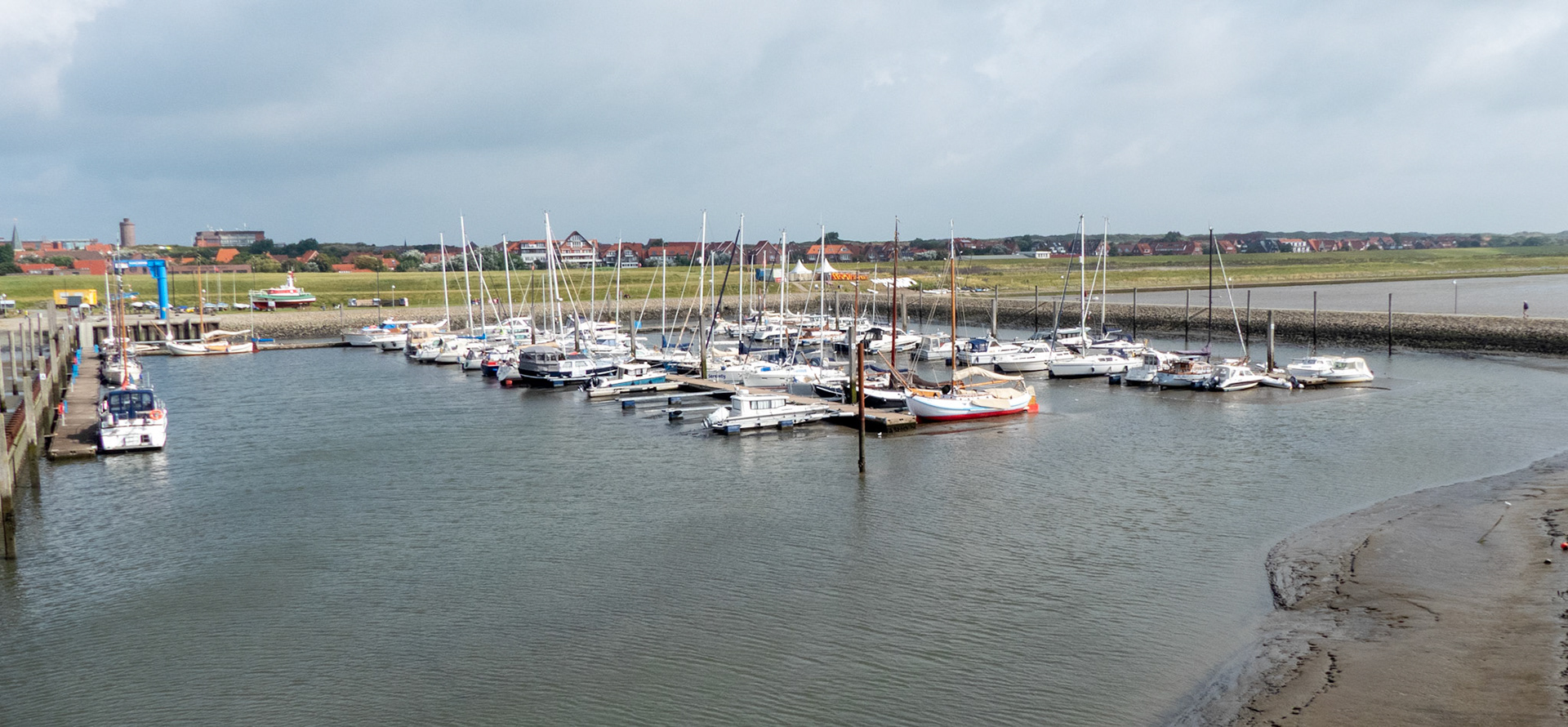
Juist Yachtharbour
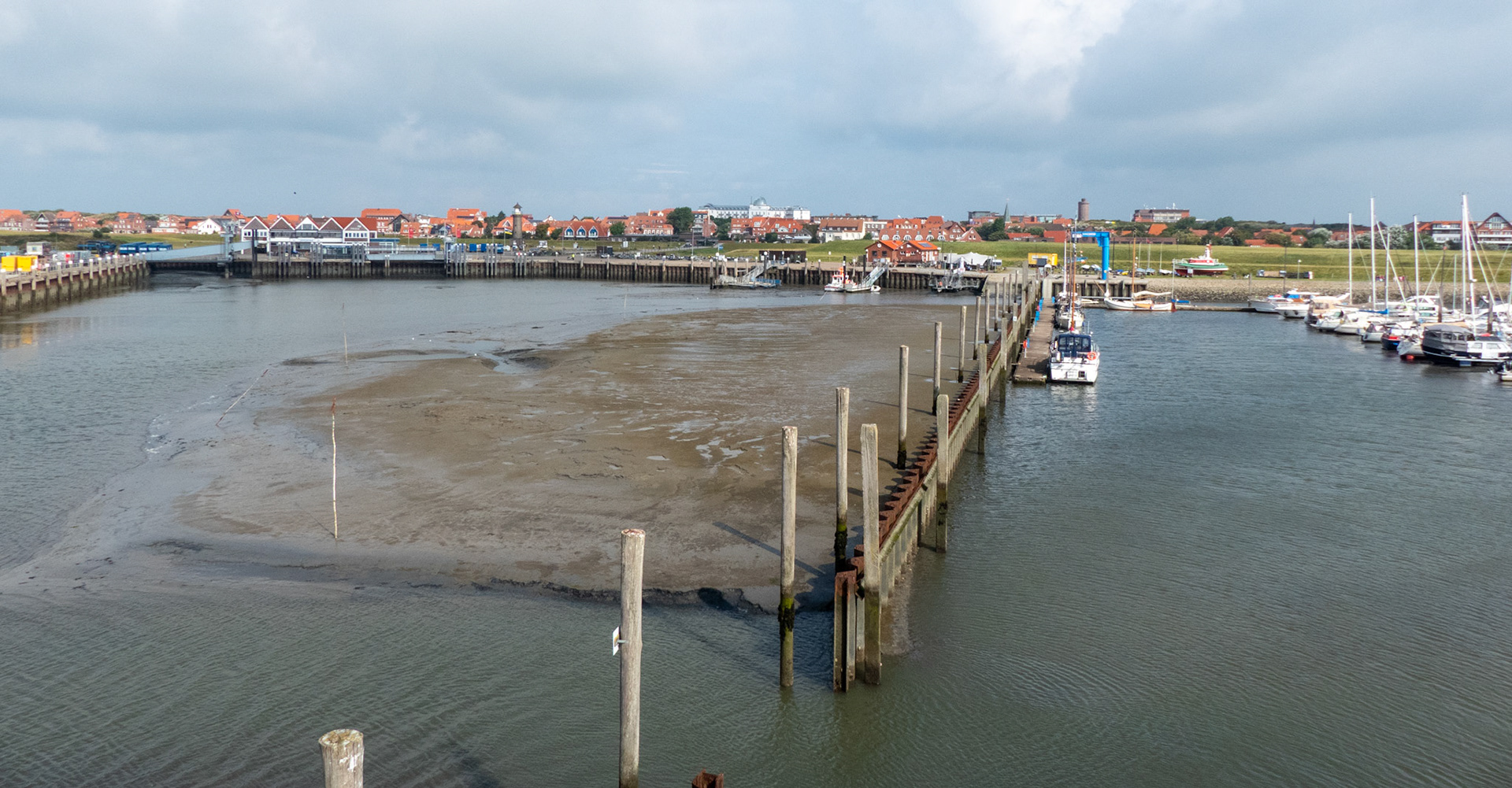
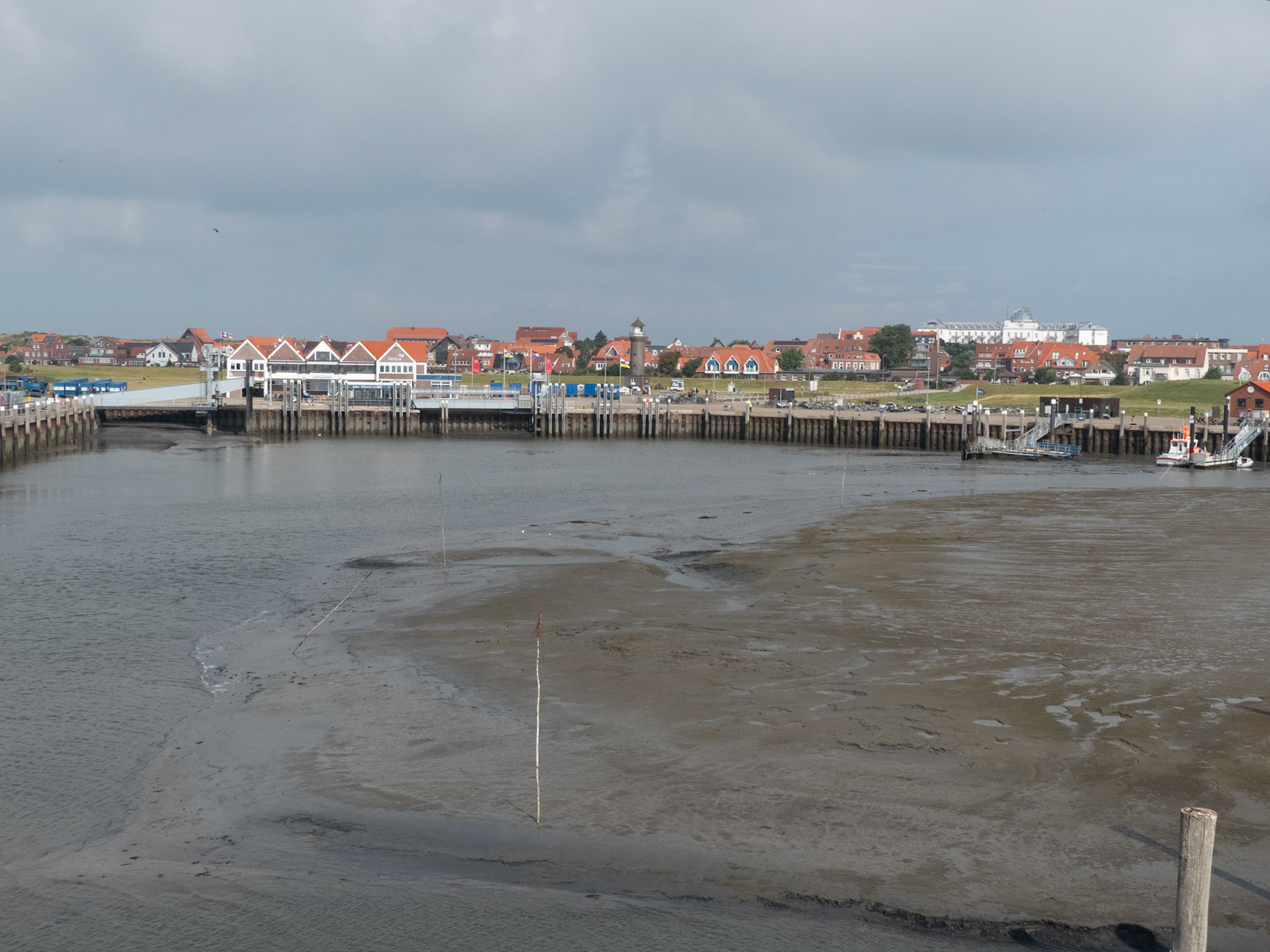
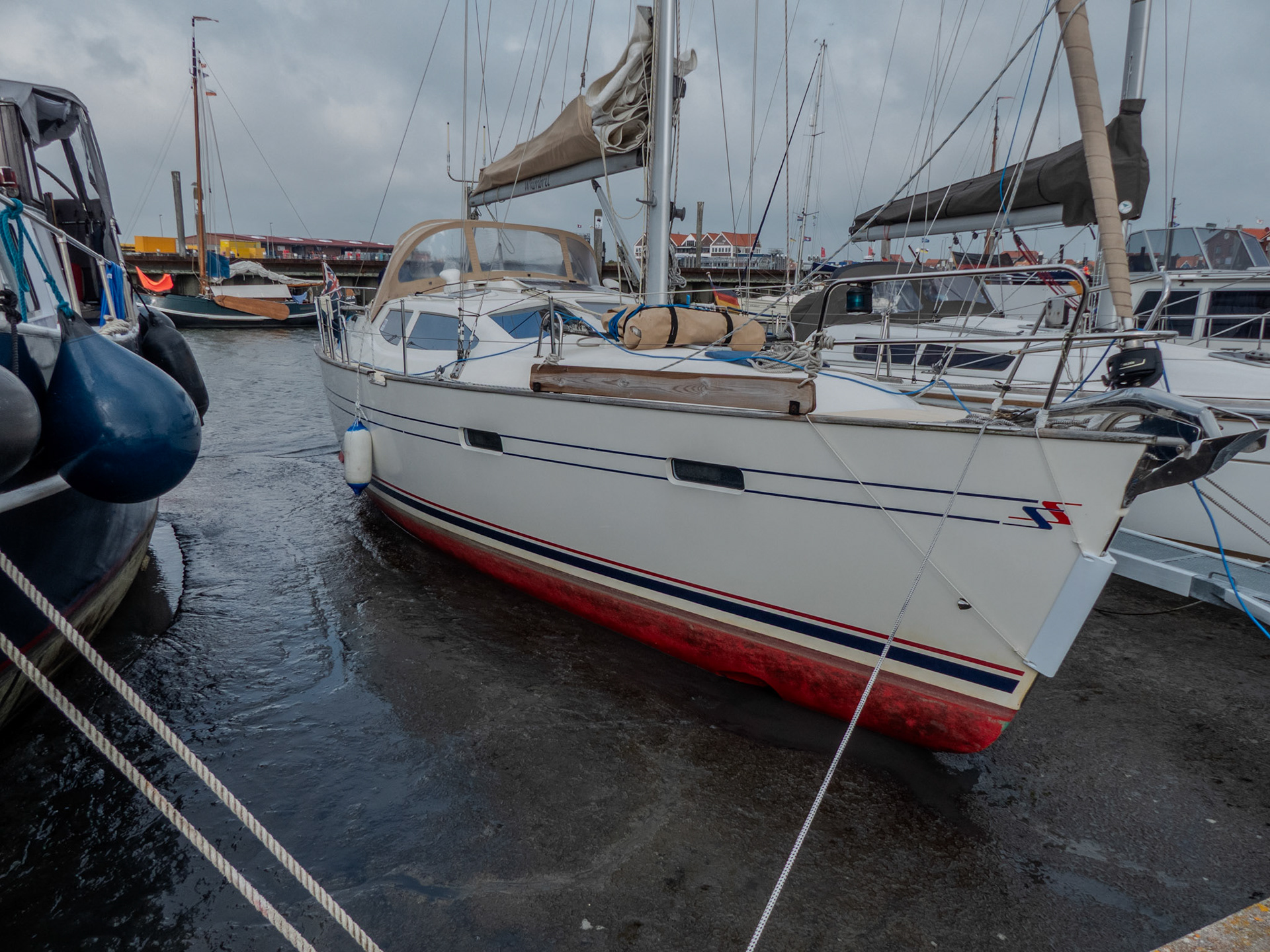
Lots of mud

Standkorbe
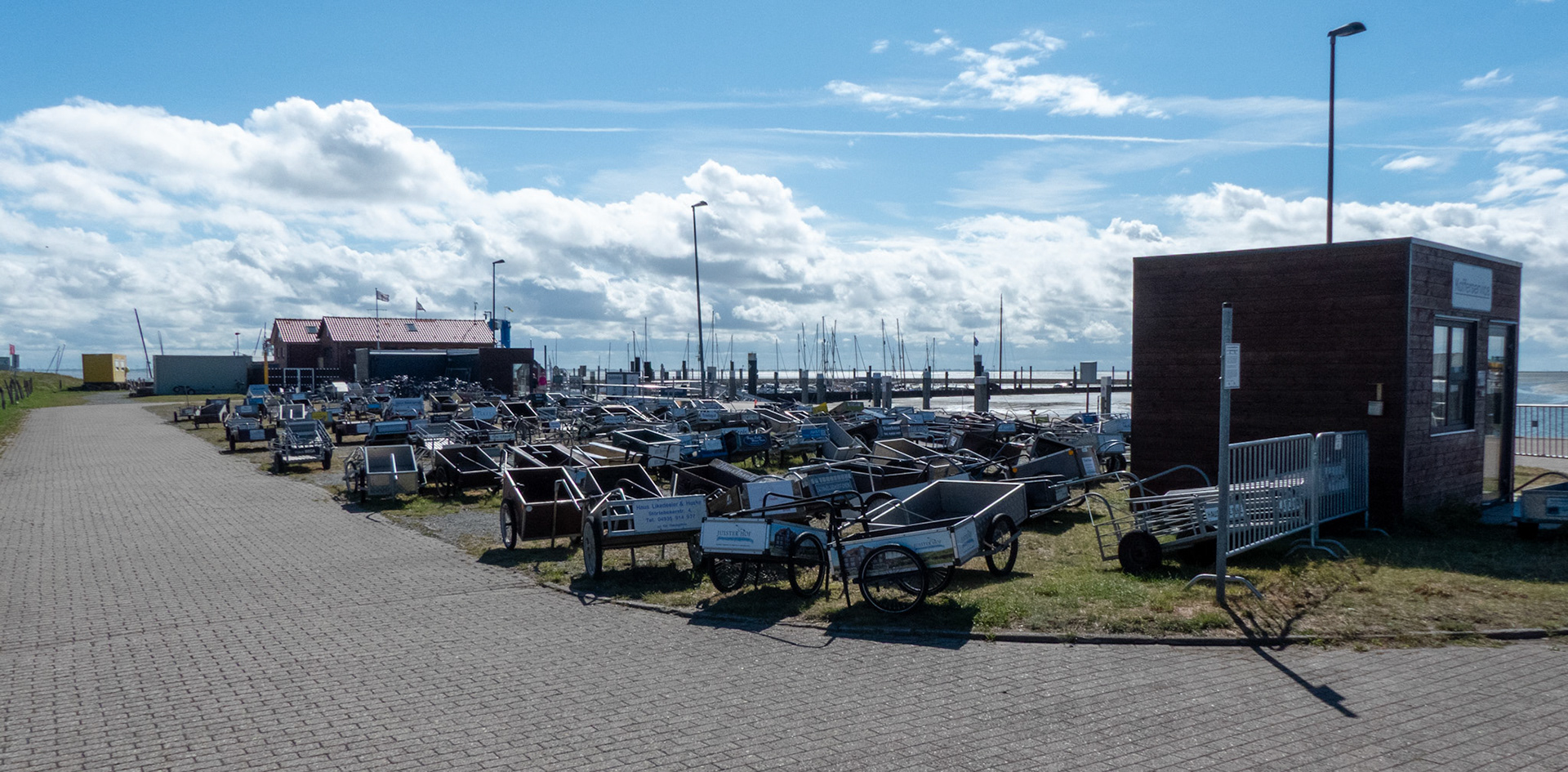
for your suit cases
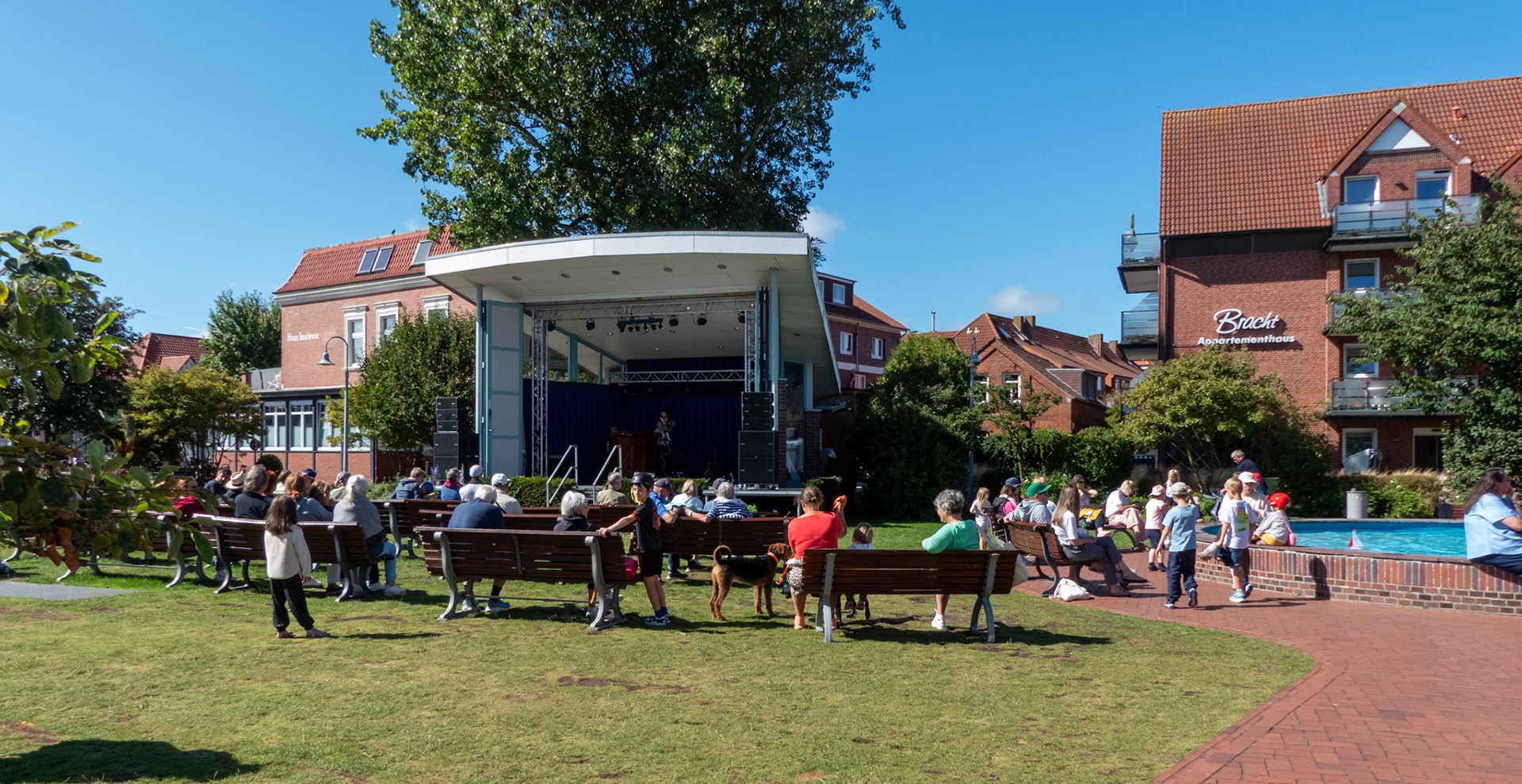
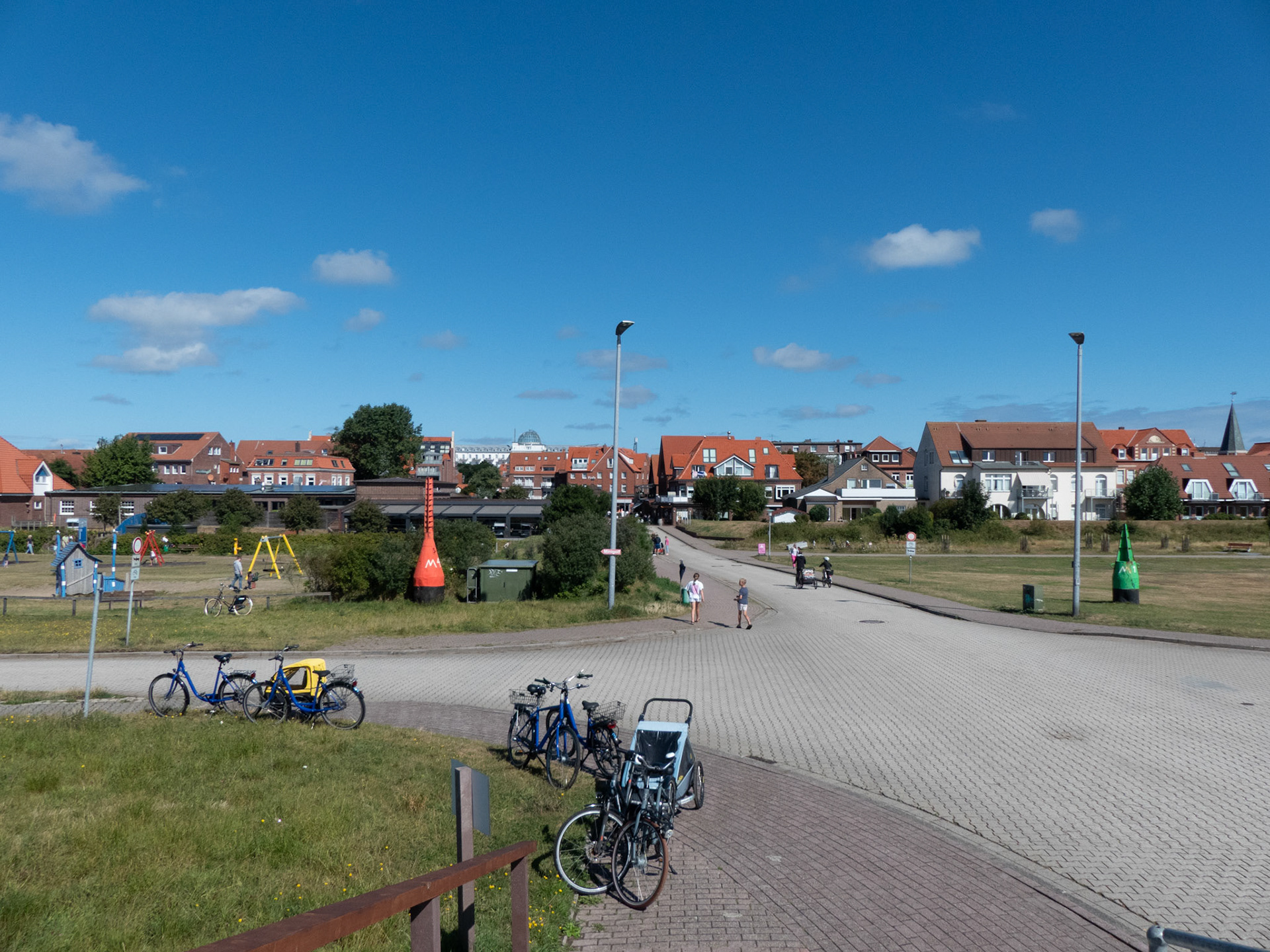
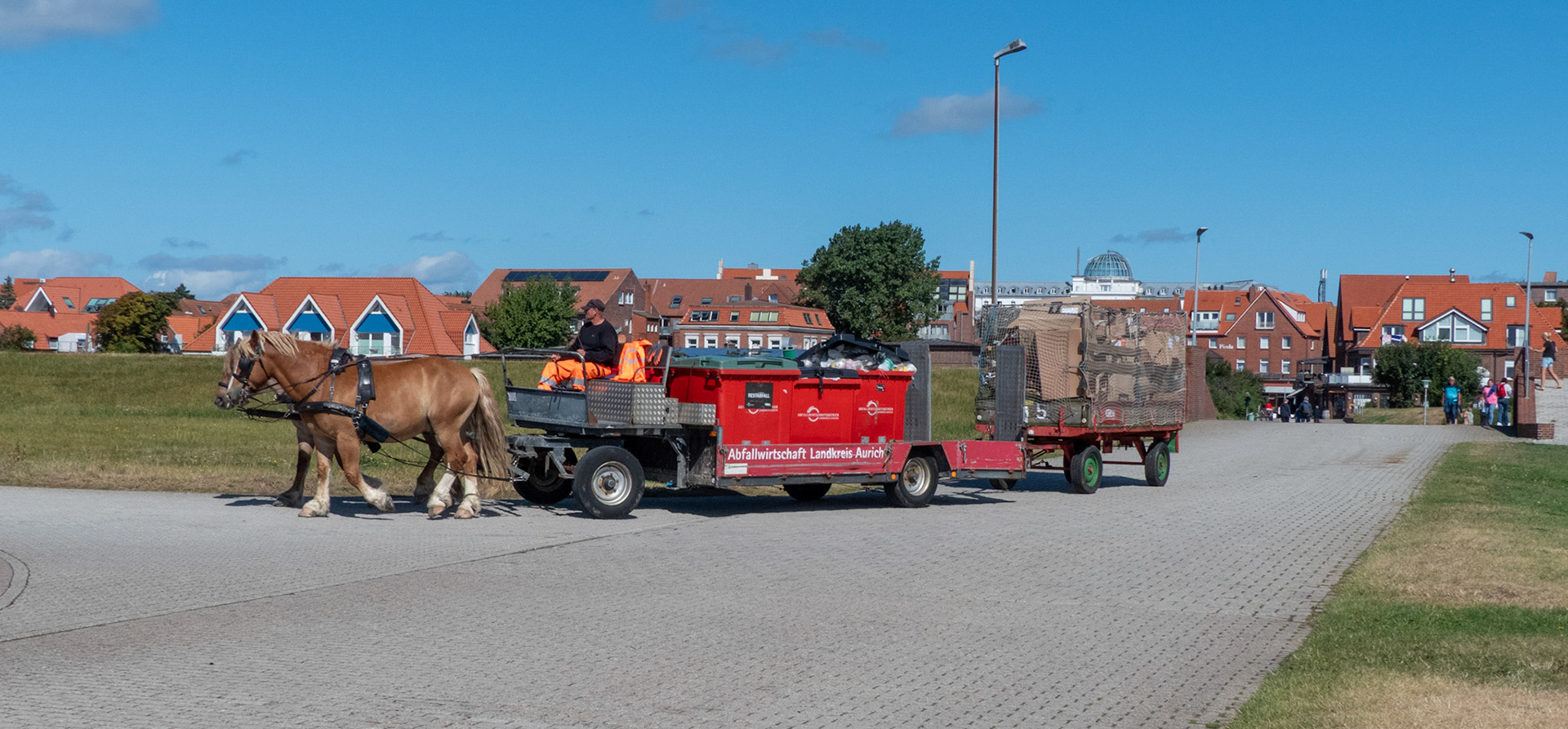

High speed shallow draught expensive ferrys
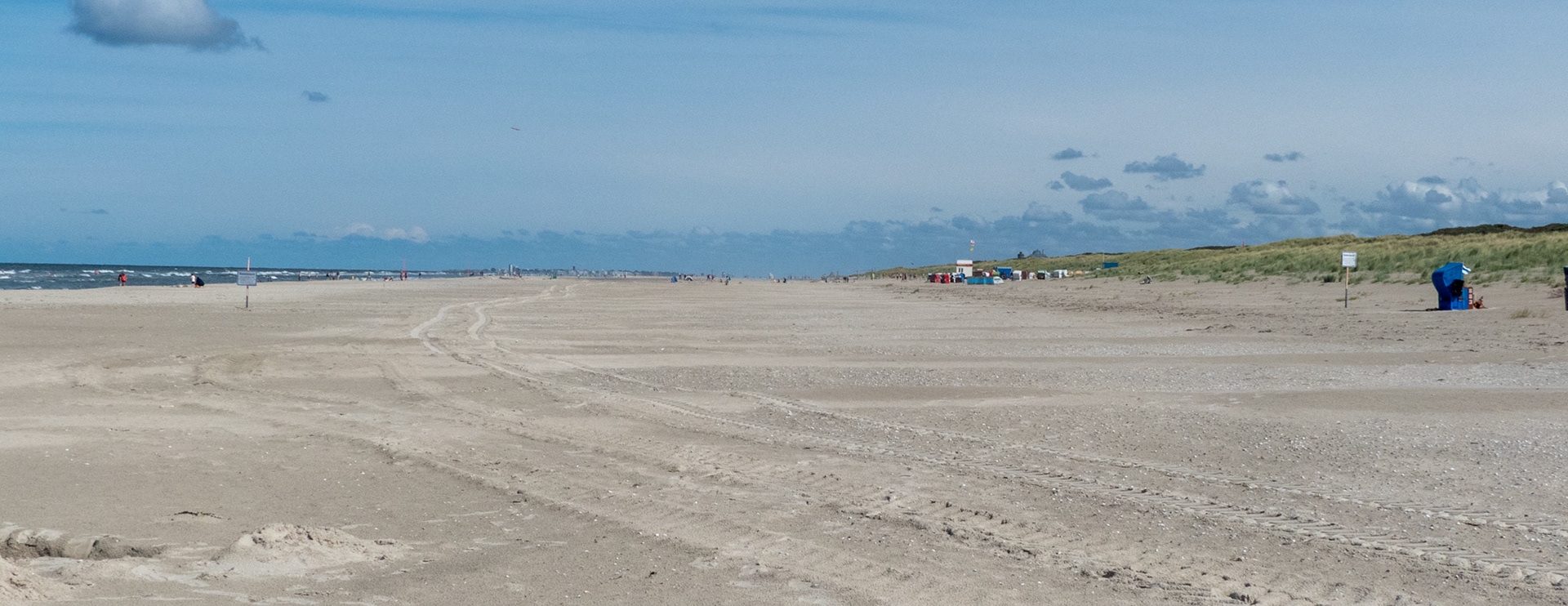
Sand for miles
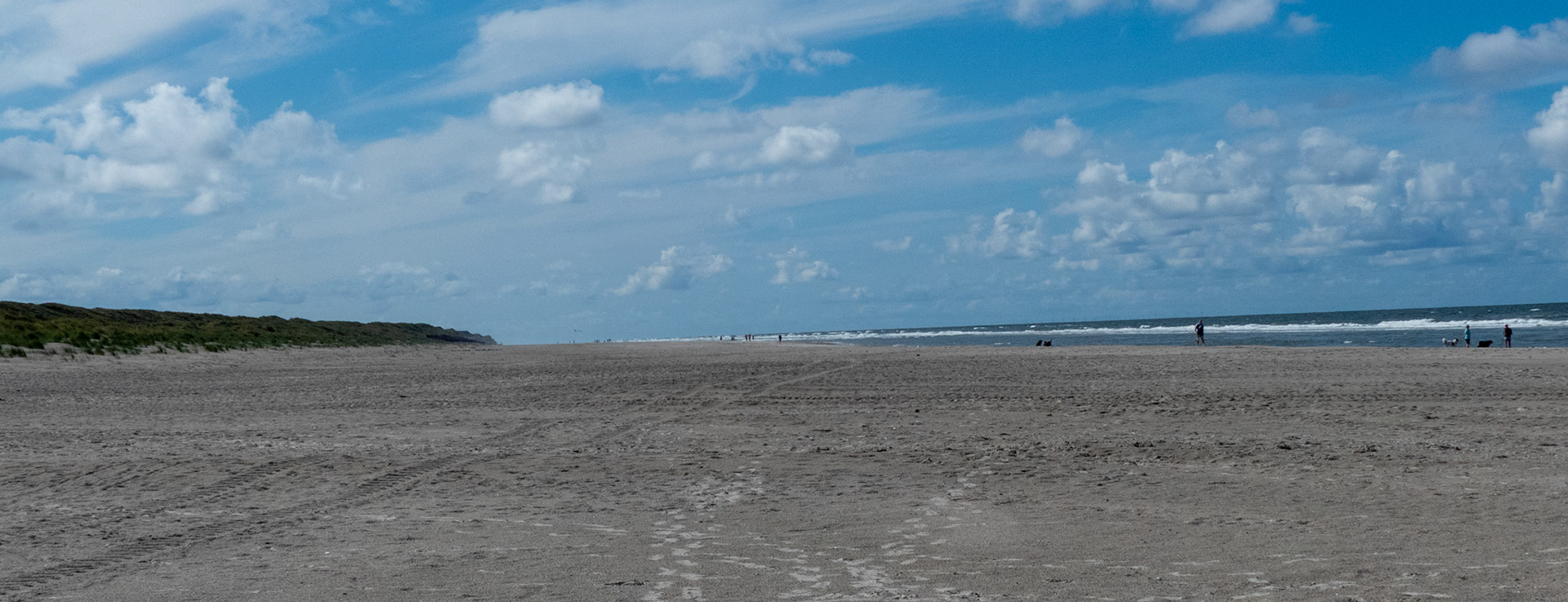
And Miles
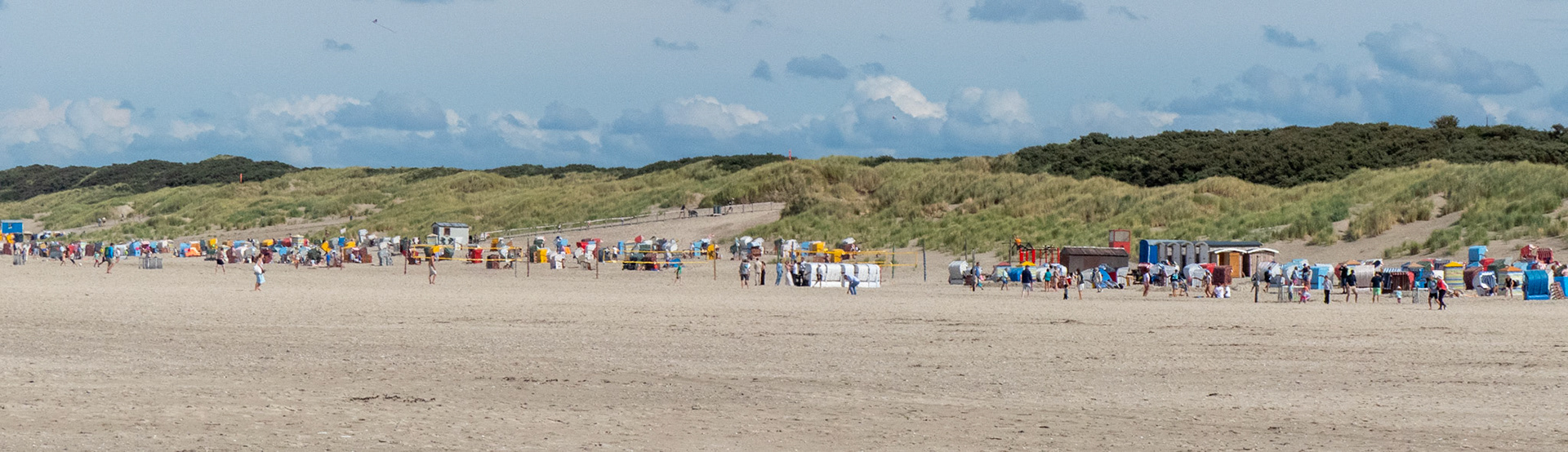
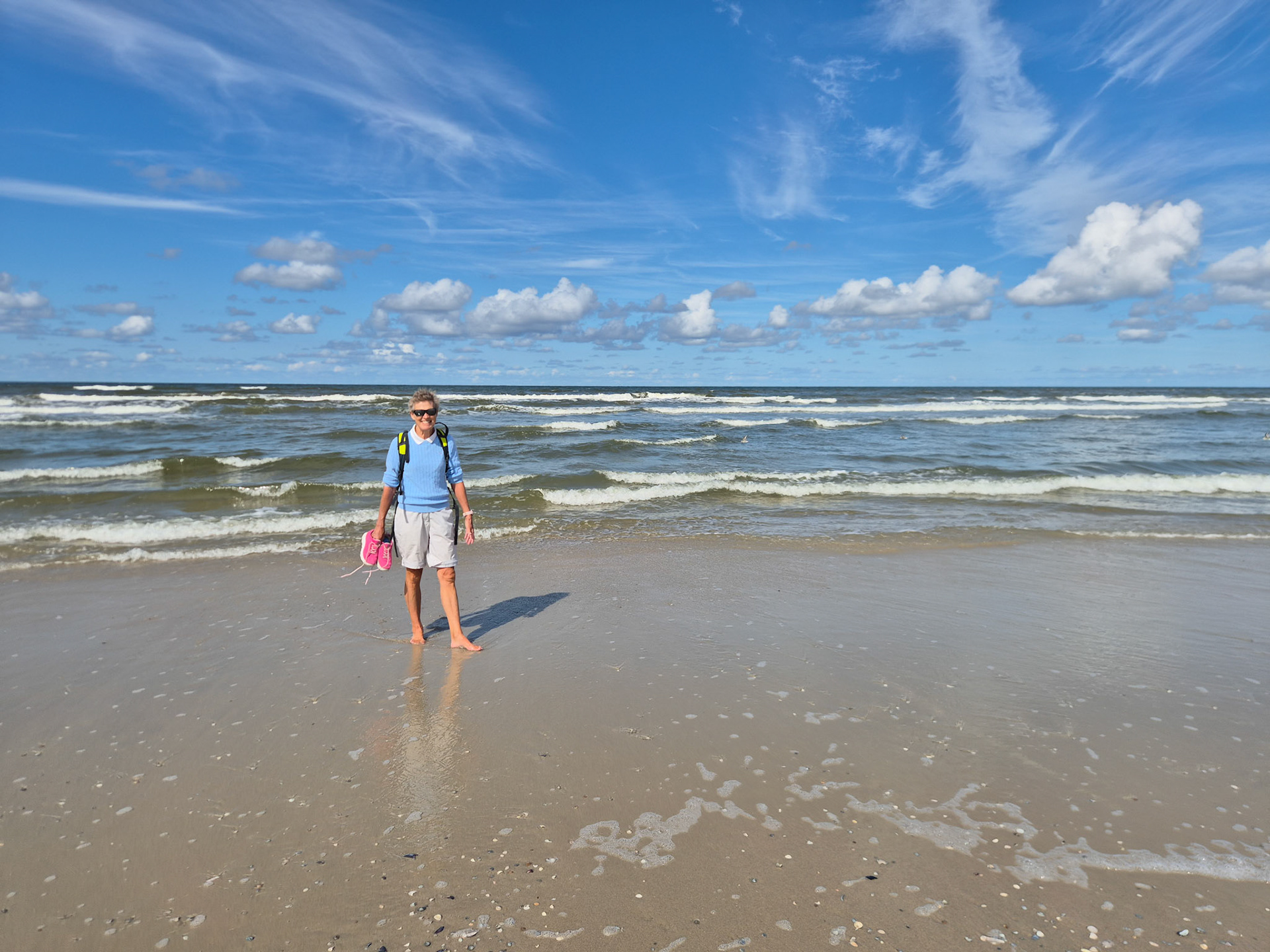
It was warm in the North Sea
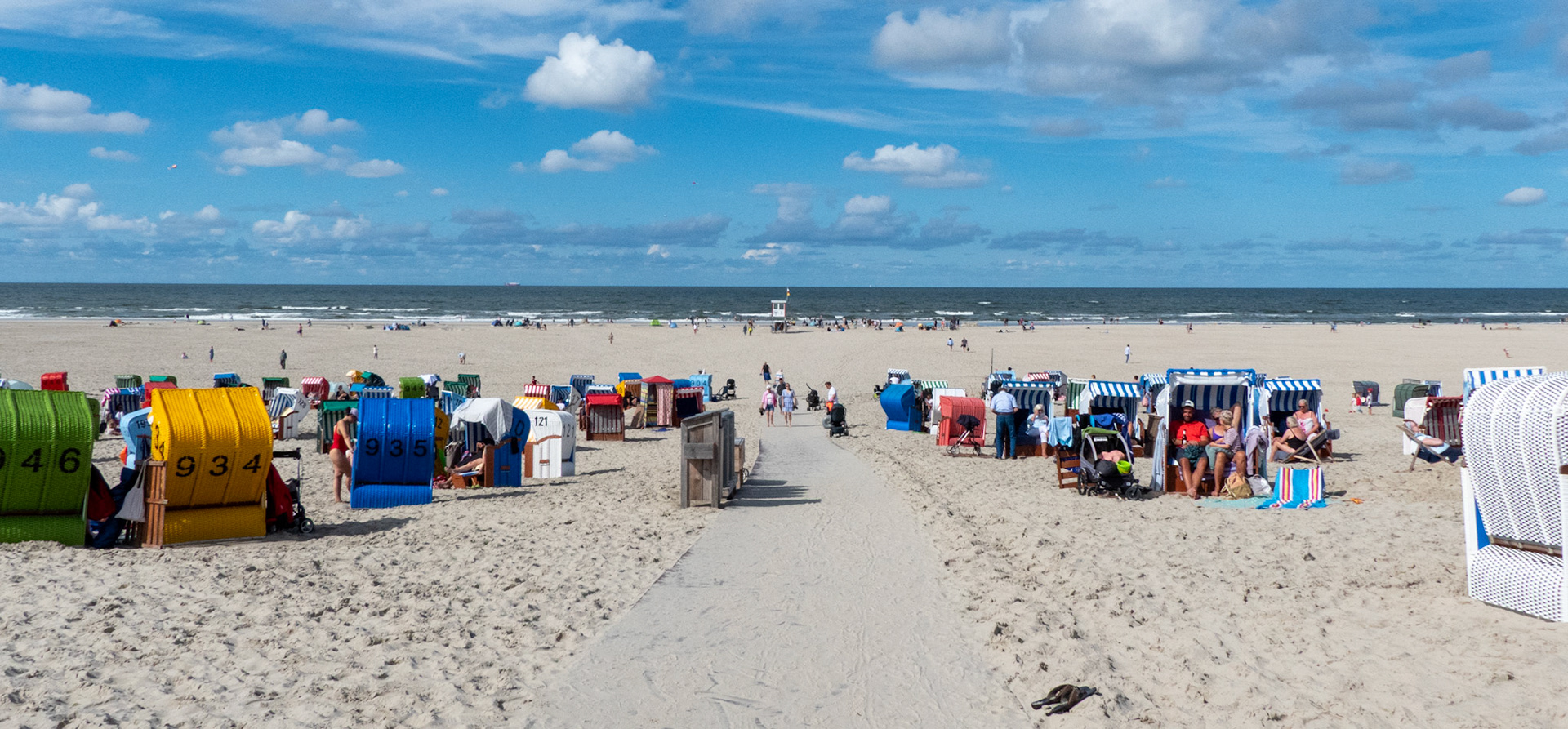
Now we are beginning to think about how we get Whimbrel to her winter berth and so we left these delightful islands and although missing out Baltrum, Langeoog, Spiekeroog and Wangerooge we left Norderney for Cuxhaven in the German Bight and at the mouth of the river Elbe. We had hoped to go to Helgoland but the light and unpredictable winds made this a bit of a pipe dream (maybe next year) and the incoming weather fronts suggested that a run to Cuxhaven of 13 hours was the better option.
We were well and truly back into tidal waters now and hitting our weypoints and channel buoys became an imperative so we could get into Cuxhaven and not shoot way beyond it. Again not the best marina but very useful as a stopping (if you can) point before heading up the Elbe to Brunsbüttel and the entrance to the Kiel canal.
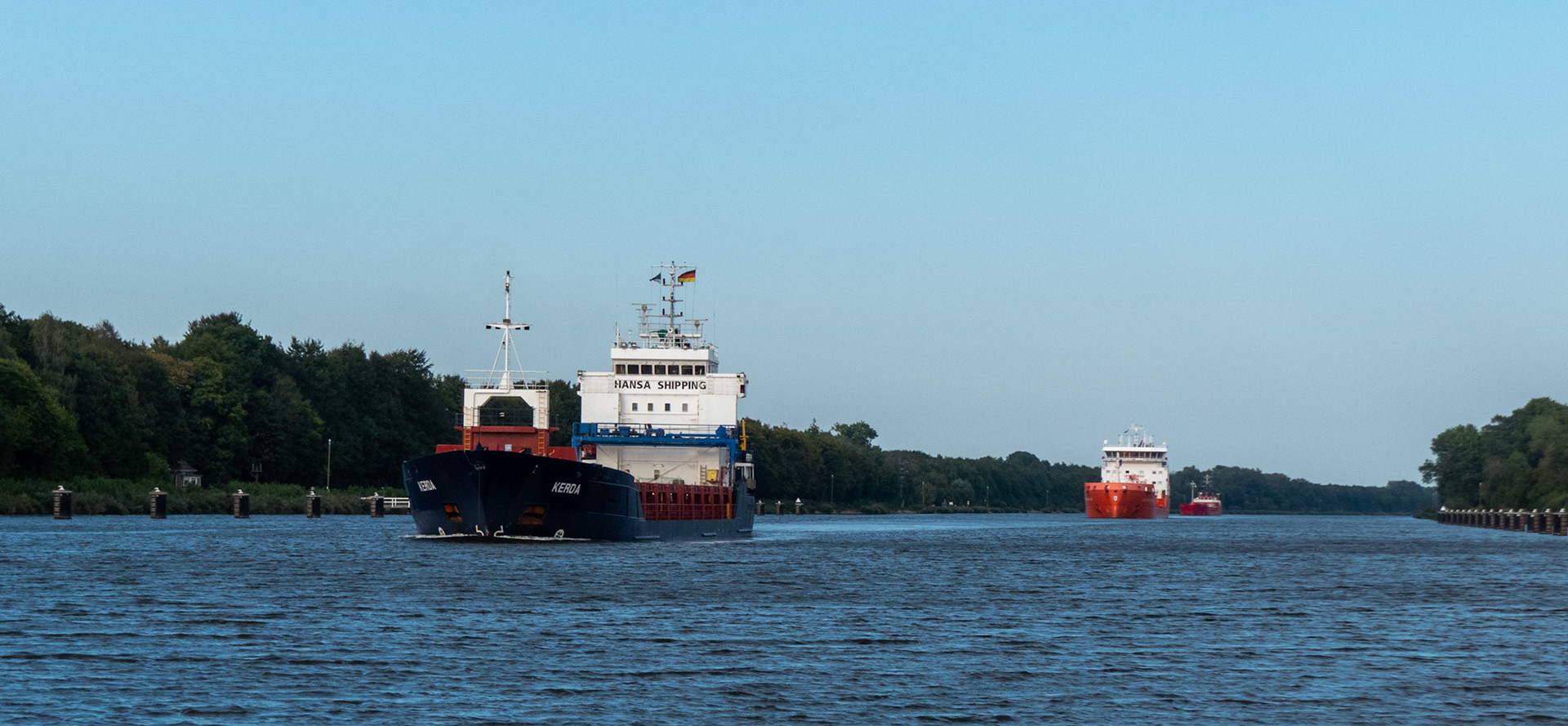
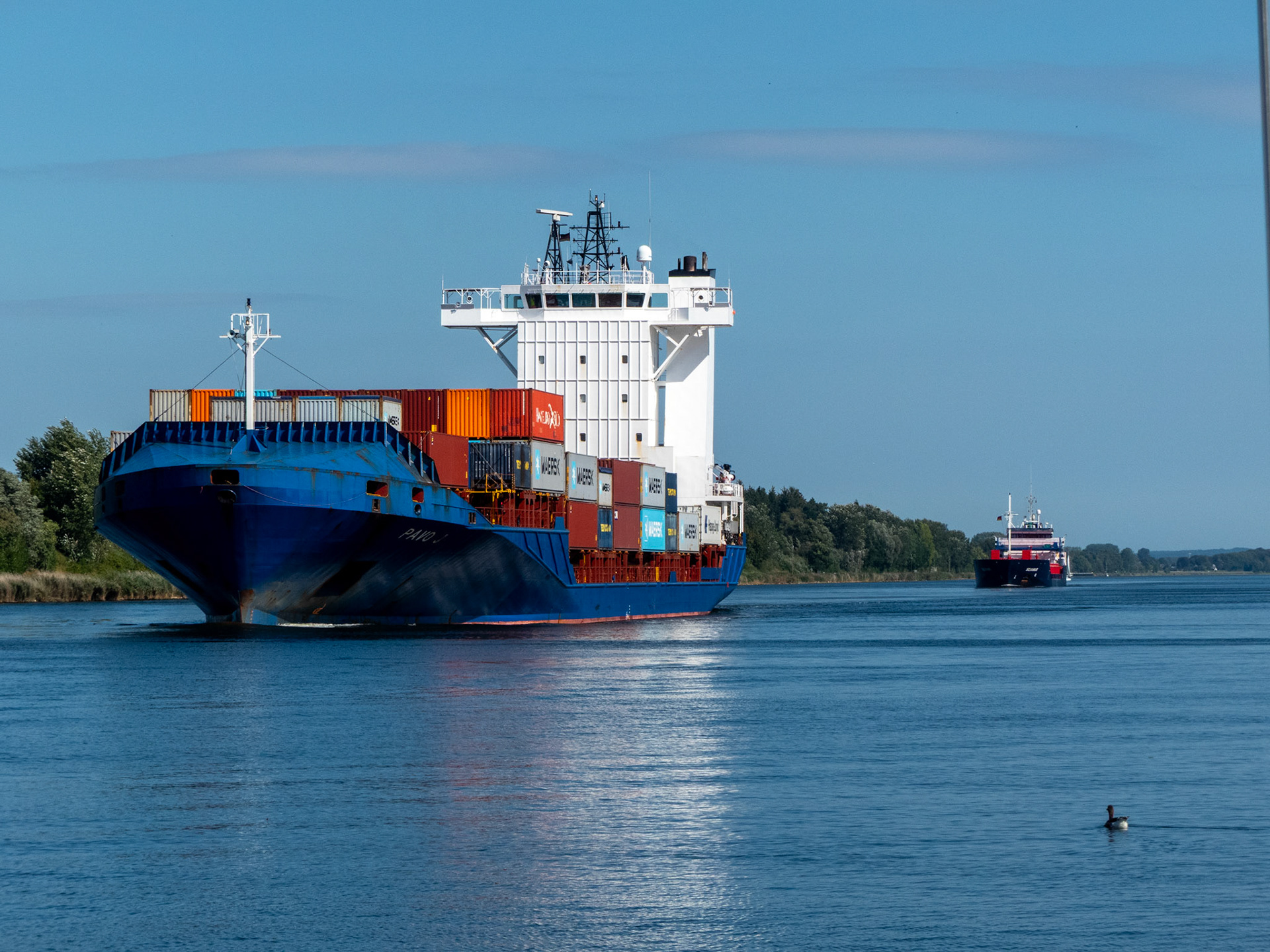
We arrived at Brunsbüttel on 26th August after a really unpleasant motor up the Elbe river. Despite riding the incoming tide we hit a 17 Knt Easterly wind and therefore lumpy chop for the 28 nm trip to the entrance. Losing steerage way, inadvertently crossing from one side of the busy shipping channel to other and thumping down on the unpleasant chop we were very glad to eventually reach the holding area for the canal entrance and follow the proscribed guidelines for entering the channel. Not a trip to repeat unnecessarily and as we found out from some local German sailors later, you should never attempt to sail the Elbe in a strong Easterly wind.
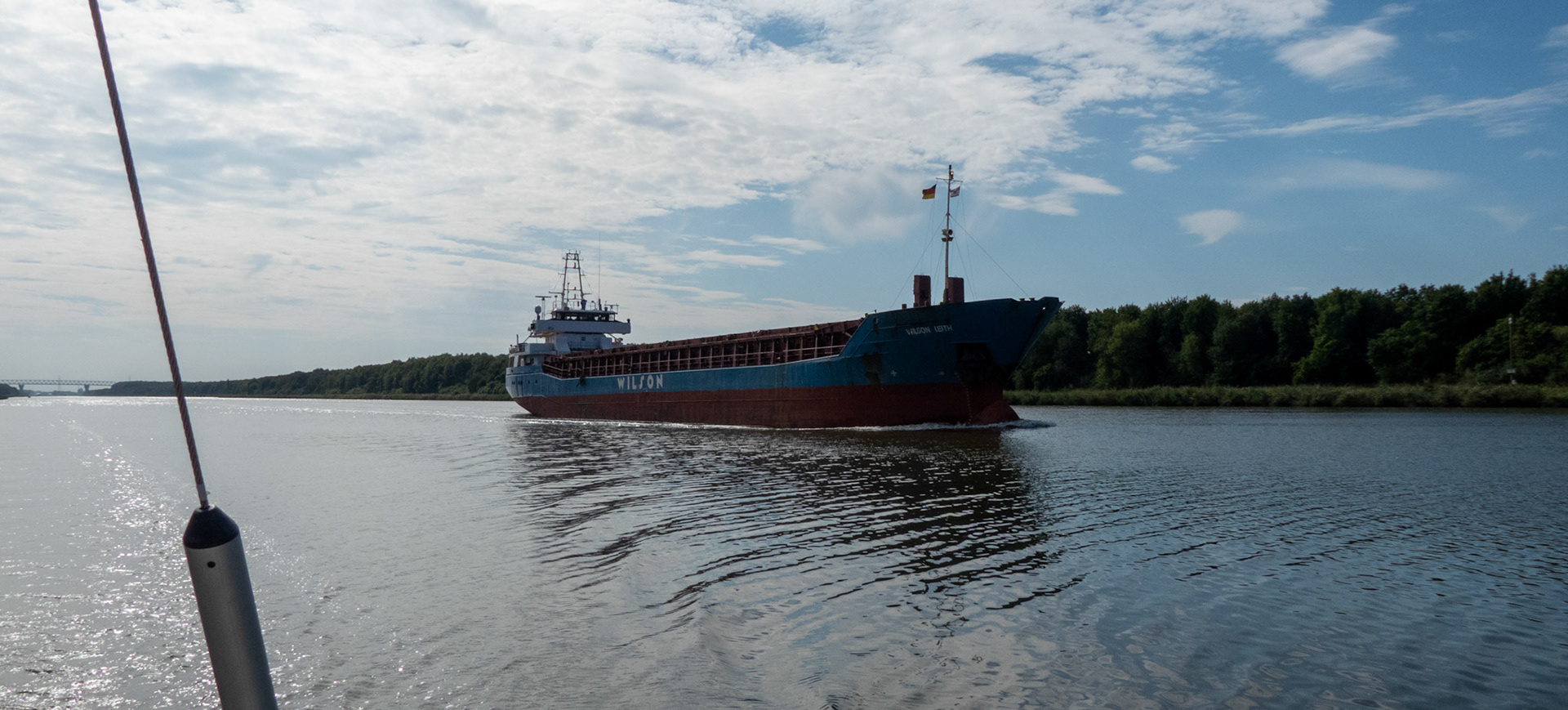
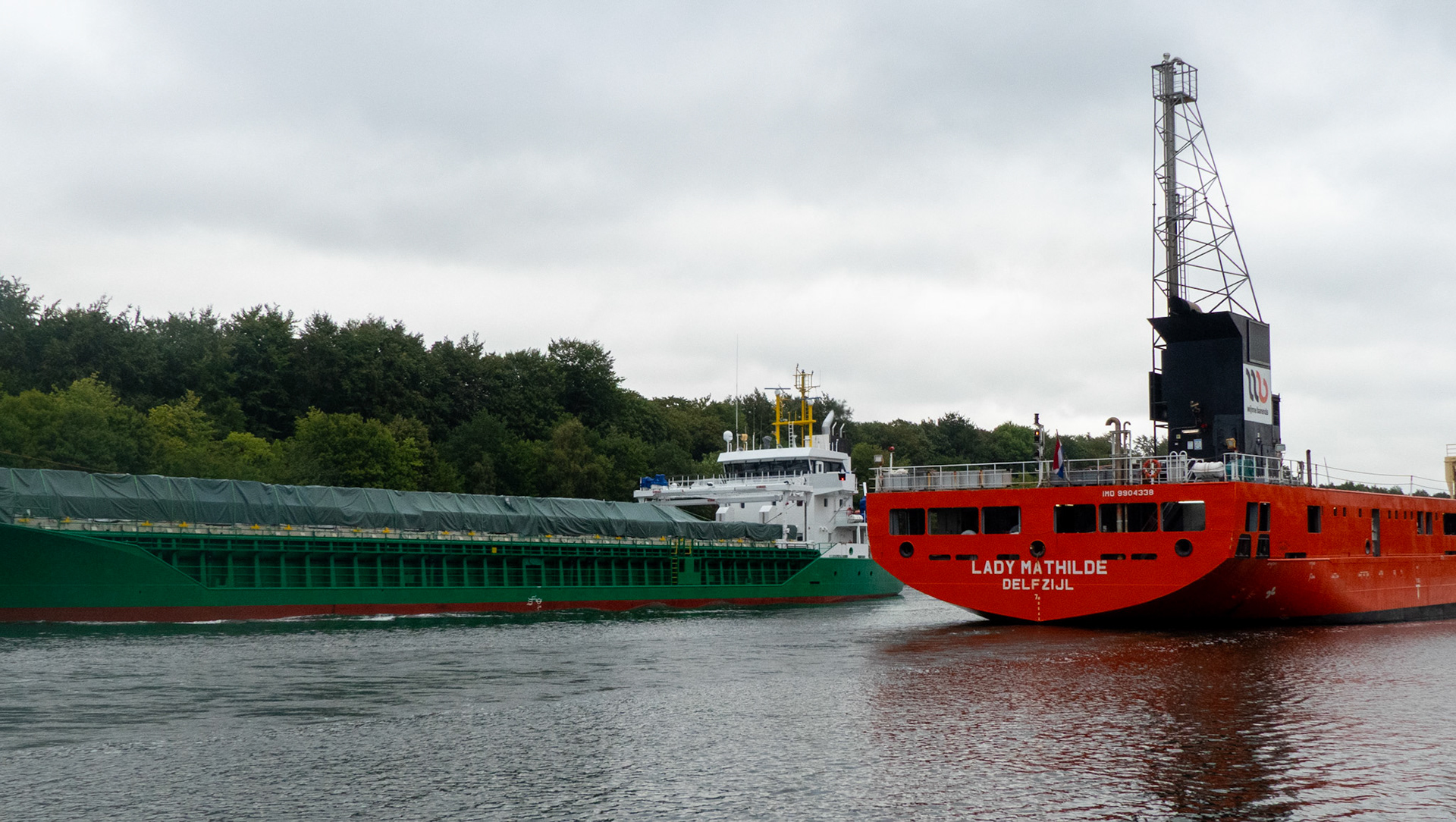
We had a much calmer trip along the Kiel canal and a very beautiful and peaceful evening in the quiet of the Gieselau lock entrance to the Eider canal and river system. Perhaps on our return journey we can use this waterway?
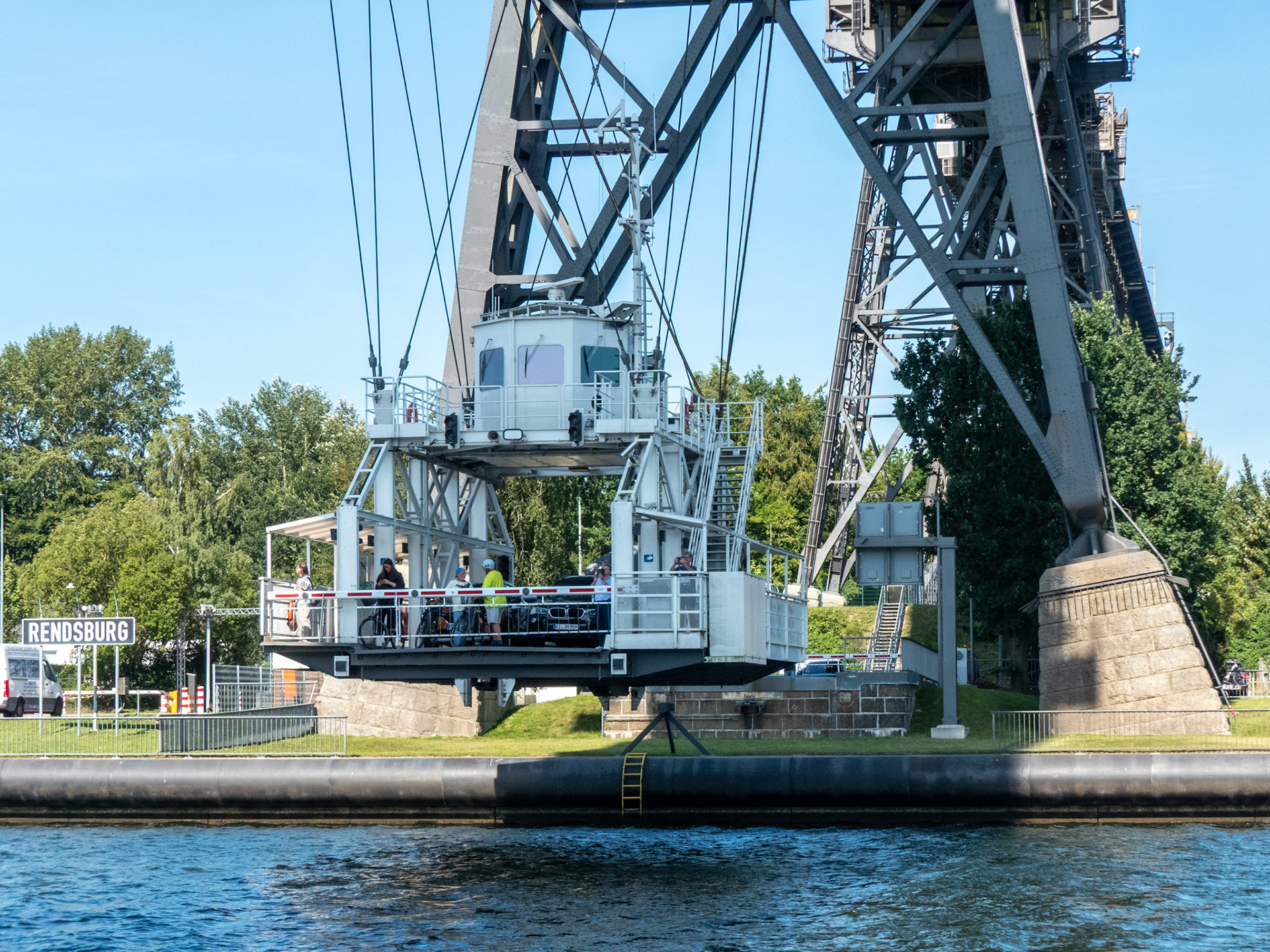
We also stayed a couple of nights in Rendsberg, probably my least favourite stop in Germany so far and then headed out through the lock into the Baltic sea at Kiel‑Holtenau
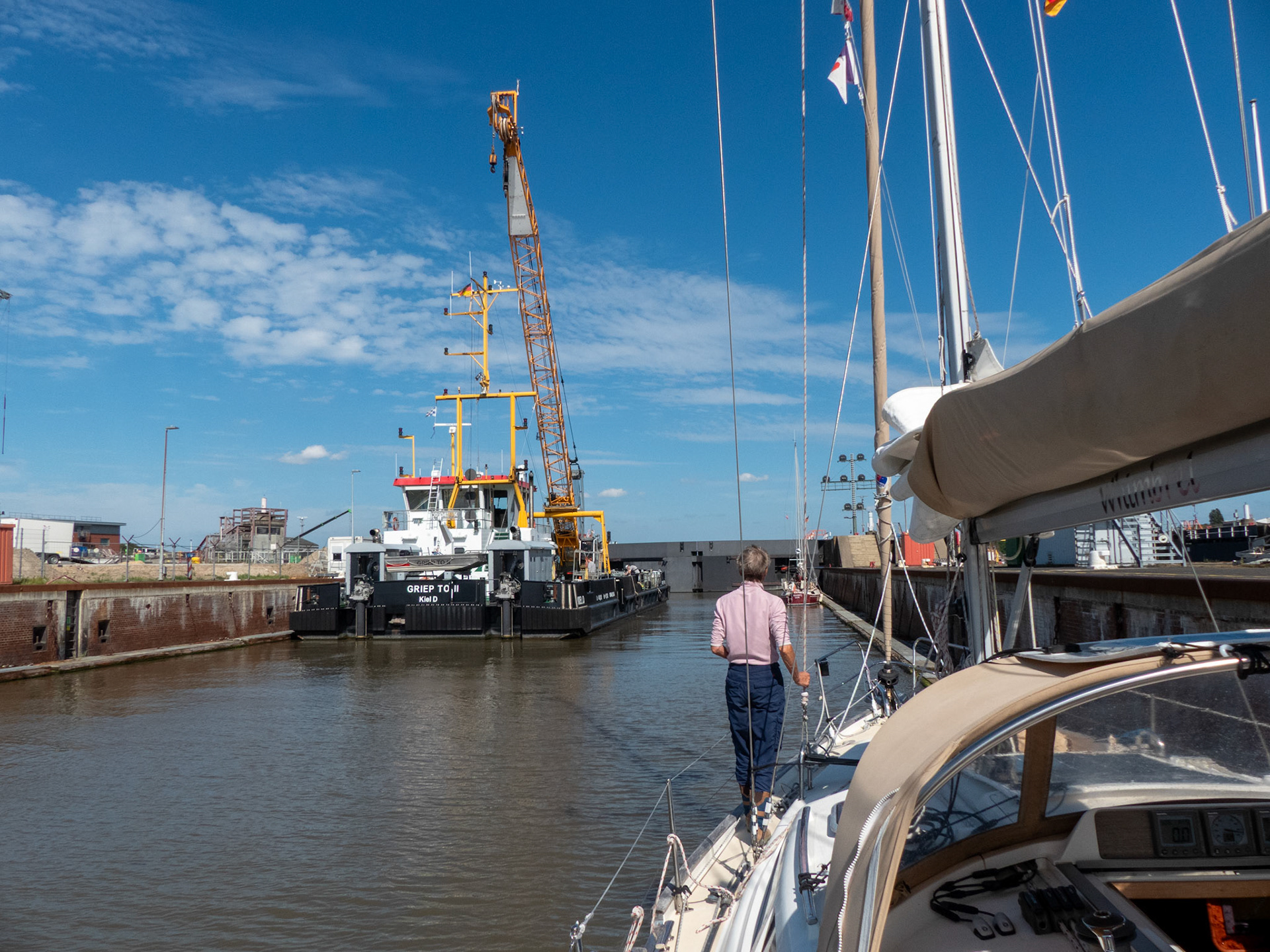
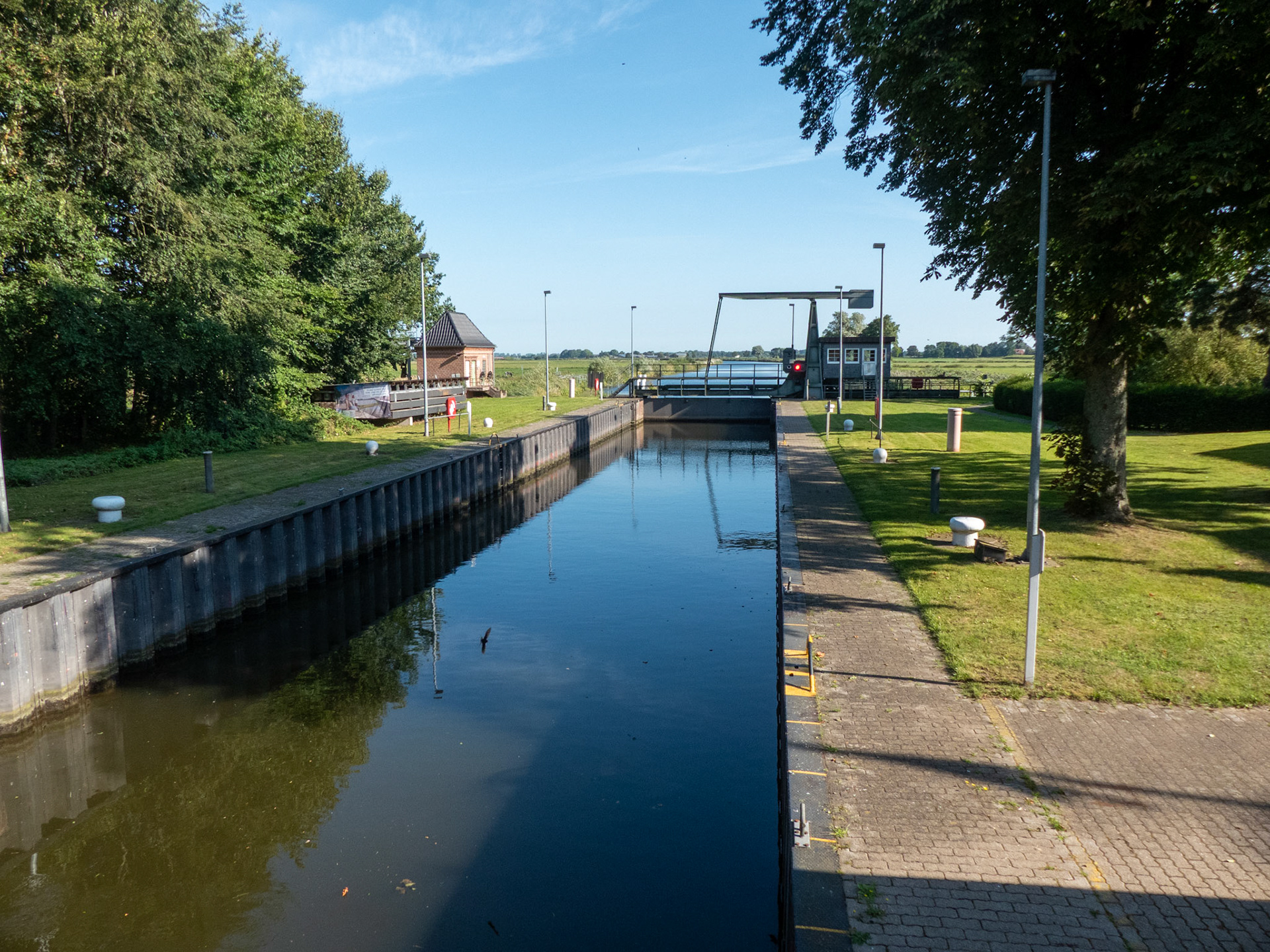
The first lock in
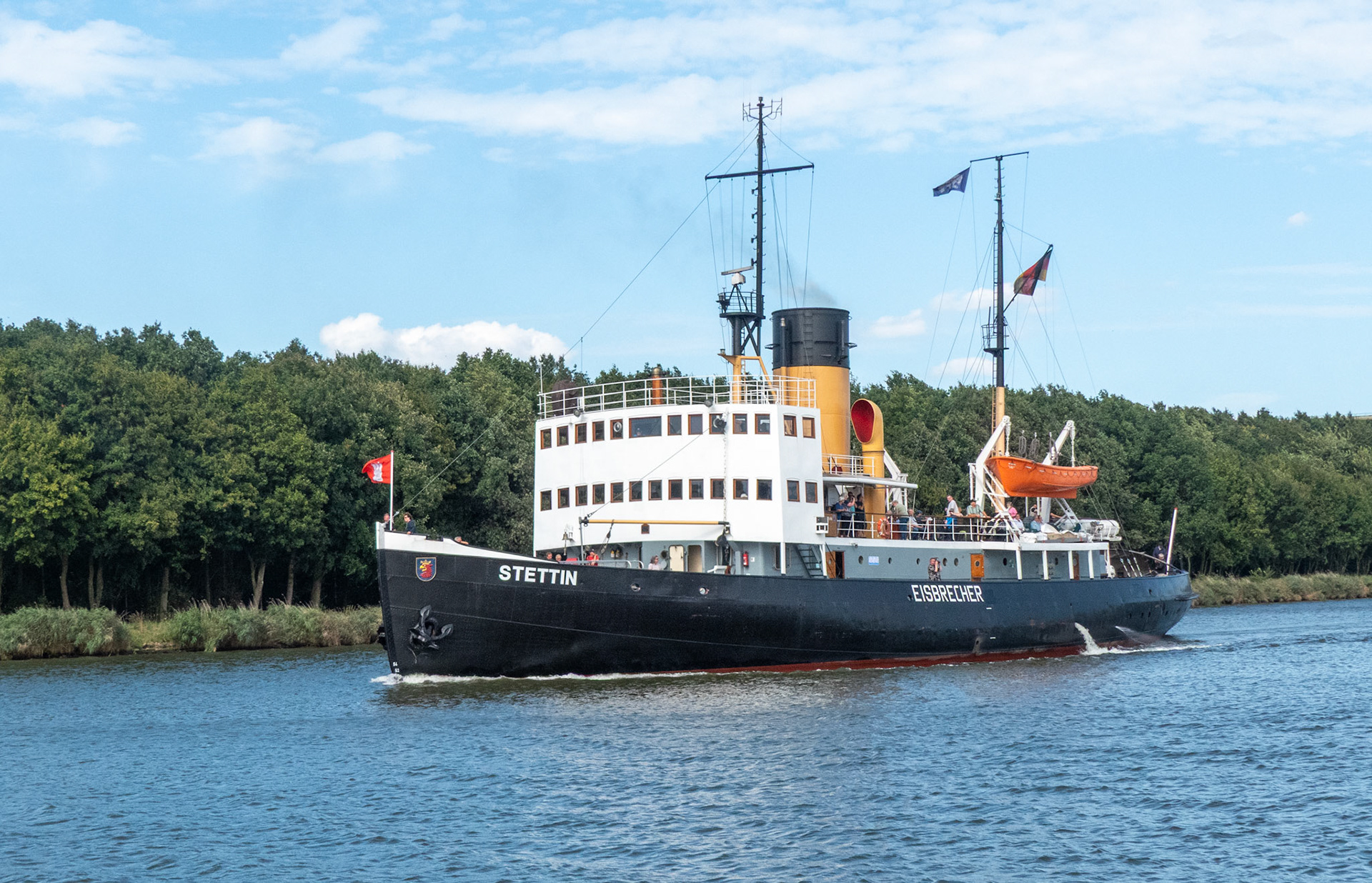
An old Ice Breaker
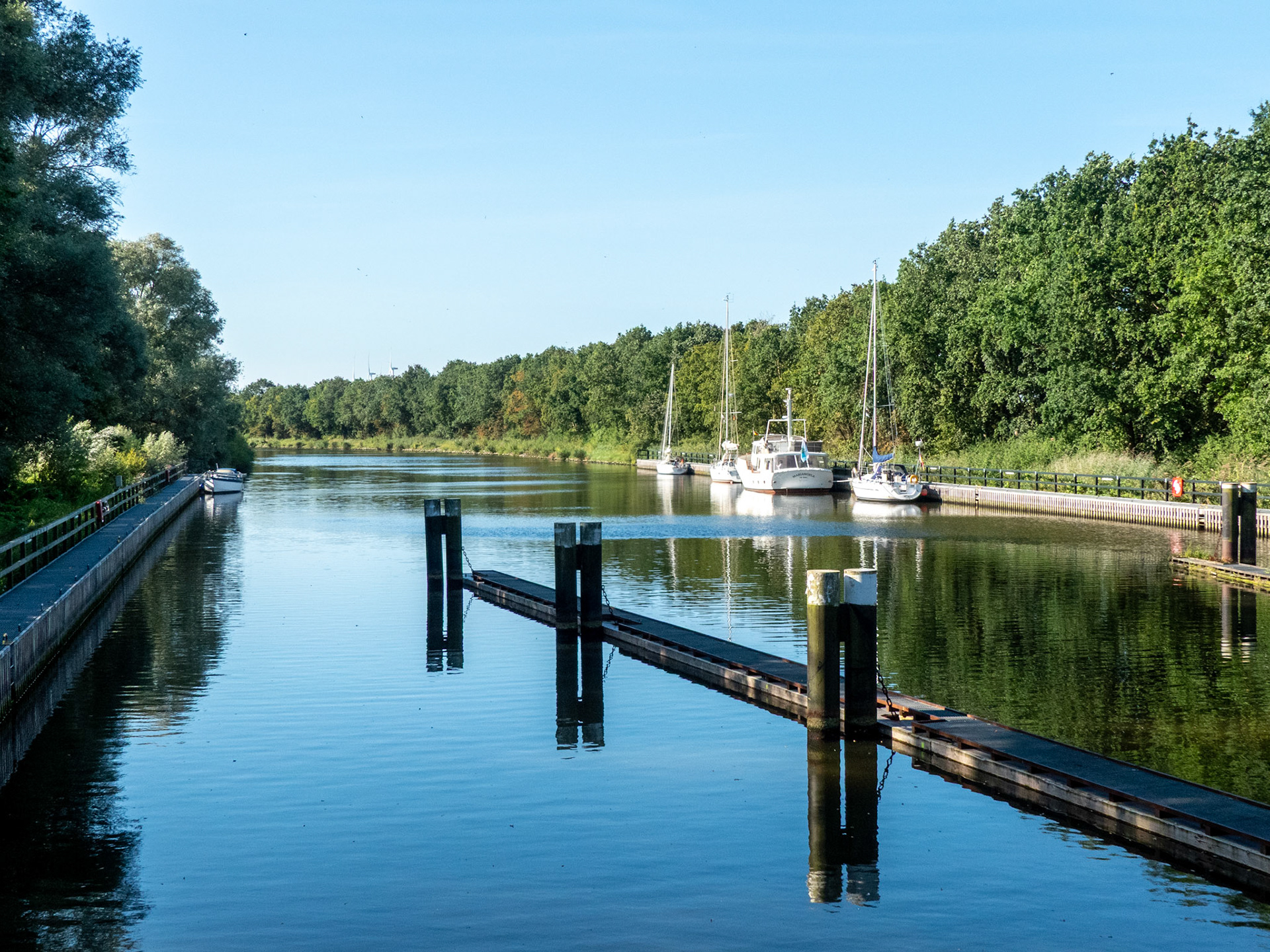
very peaceful stopover


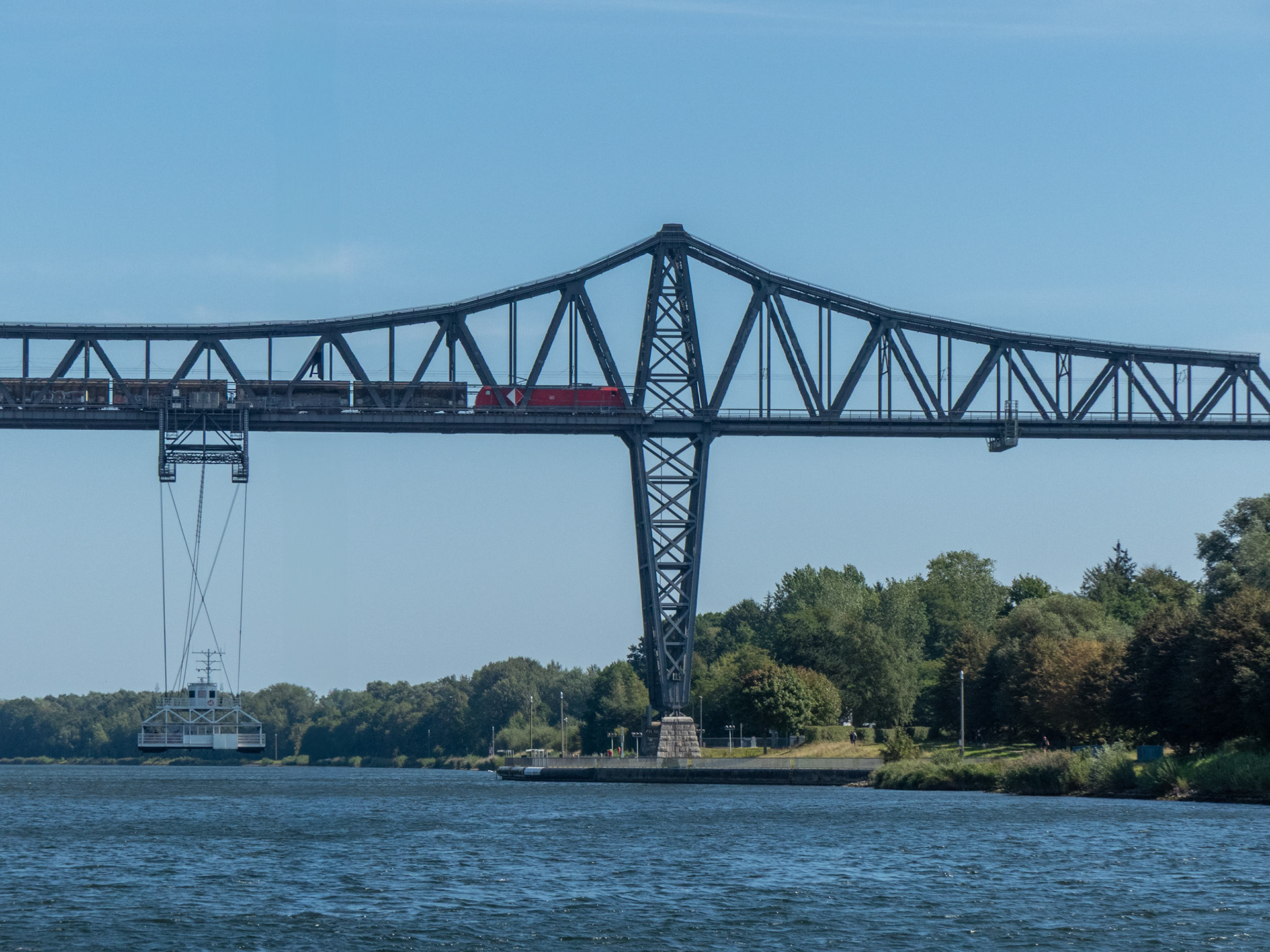
Transporter Bridge
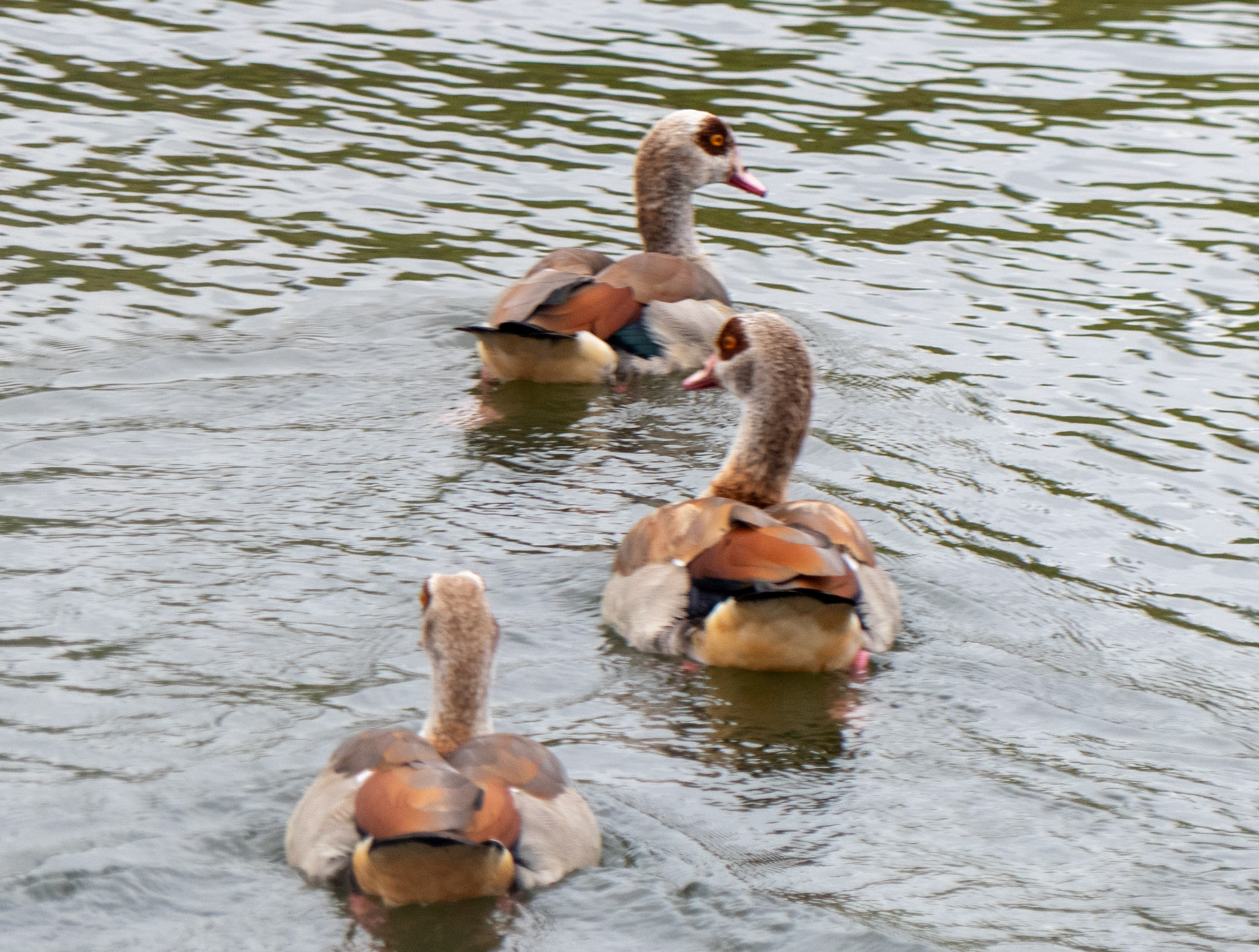
Egyptian Geese
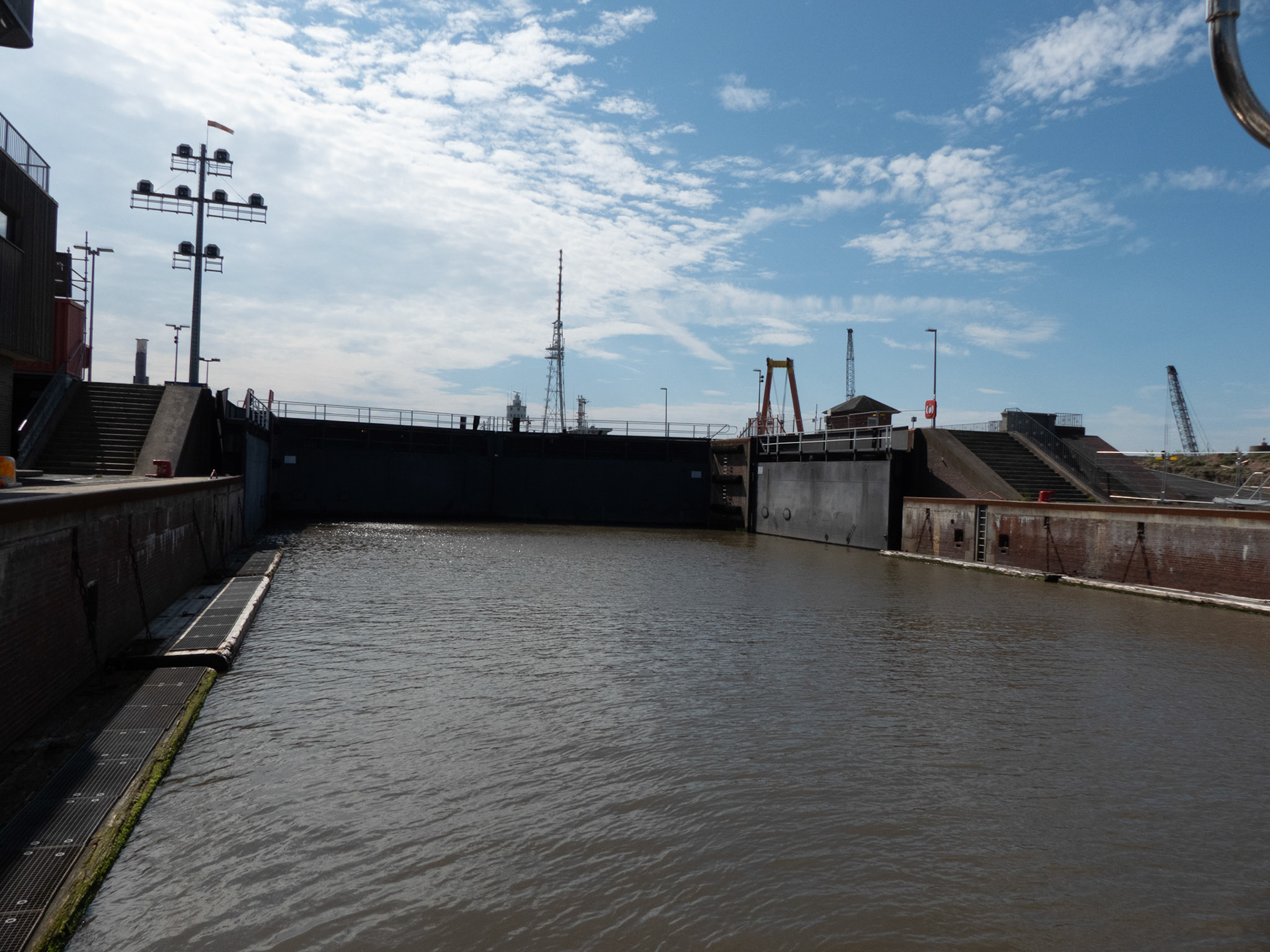
Last lock out
An enjoyable sail for 40 minutes out of the lock and up to Leboe where we stayed for 2 nights before heading out of the bay and into the Baltic Sea. That took a bit of planning as there is a live firing (and they were) range that we have to avoid before we can curve round and head toward Heiligenhafen where we wanted to spend a couple of nights before deciding what to do for our last few days before our winter lift out in Fehmarn.
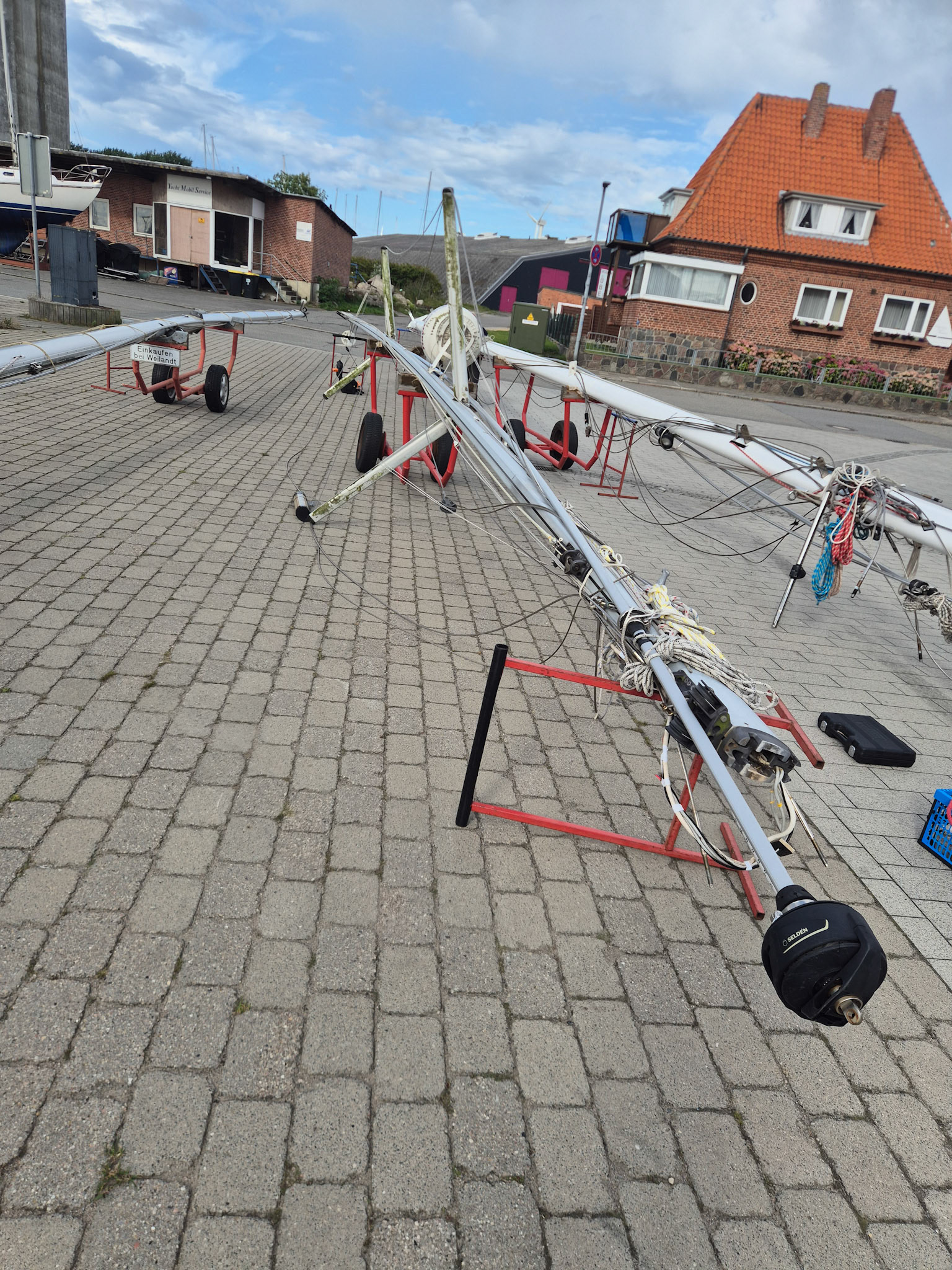
Well that turned out to be an epic sail. Following the buoyed channel and keeping just outside the firing exclusion zone we covered the majority of our trip under canvas and with reasonable weather. A short rain storm hit us as we turned south toward the sandbar that marks the long entrance into Heiligenhafen and we noticed behind this an enormous and threatening black cloud. The weather forecast had suggested rain and some strong winds but this was a bit different. We were sailing under 1 reef and a full head sail and just after Nick decided to put his full red gear on a ferocious storm hit us. We reefed in and let out the main as far as it would go, turned east to avoid the sandbar and reefed the headsail. Still travelling at 7knts and no visibility we just hung on and rode the winds and waves. The ferocity of the rain however at least calmed the wave heights but the thunder and lightening overhead was spectacular. After about 45 minutes the storm began to abate and pass over us as we managed to control the boat a little more. So did we control the boat or manage the waves during that encounter? Whatever we did we survived and then headed into the relative calm of the huge marina at Heiligenhafen. Weather kept us in this marina until 4 September when we left for Fehmarn and our winter berth. We followed the clearly buoyed channel into Burgstaaken and spent the first night on the visitors pontoon. Taking the headsail down in strong winds was particularly unwieldy, thank goodness for the assistance of our next door neighbours. Sunday morning saw us in our final water berth for the summer before we derigged and presented Whimbrel to the Vlielandt staff for lift out.
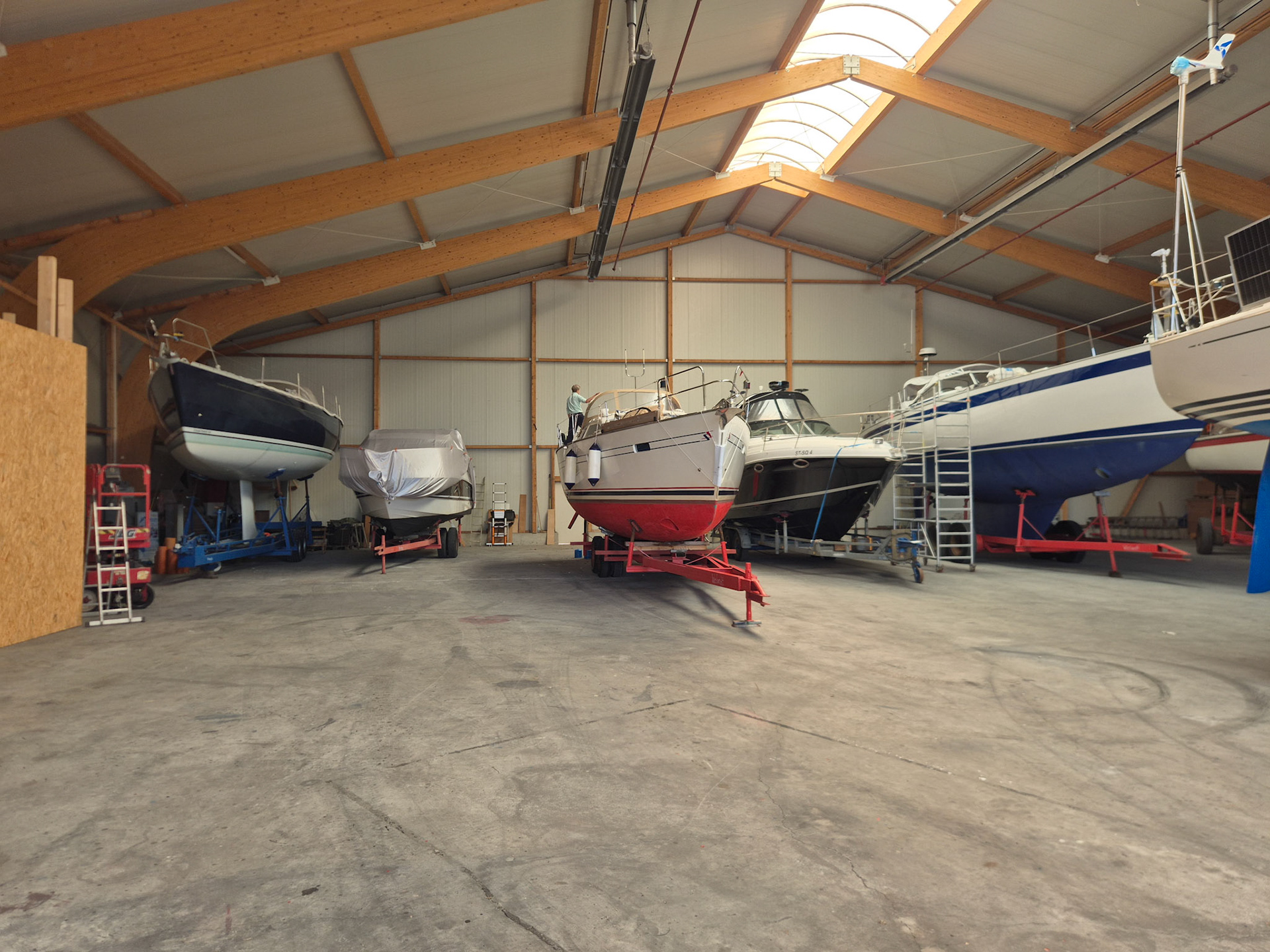
Whimbrel is in her safe warm and clean shed for the winter and we returned to the UK via Hamburg airport.


This year was another great adventure in the life of the travelling Boxalls. We explored the beaches of Normandy, ventured into Belgium and then spent a delightful few months canal and inland waterway cruising in The Netherlands and Friesland. I think for both of us our favourite expeditions and discoveries were the Dutch and German Friesian Islands. Shallow water navigation, unpredictable weather, pretty harbours, beautiful beaches and wide open skies gave us a real sense of achievement for this season's cruise.